
Photography Blog
Welcome to my Blog page.
Here you’ll find some examples of recent personal work, as well as articles on photography related topics. I also post the occasional tutorial videos with tips and tricks to help explain technical aspects of photography.
If you’re subscribed to my newsletter, you’ll receive much of what I post here as well as additional content.
Scroll through the clickable menu on the right hand side to find specific articles or posts.
Loading posts…

Corporate Portraits
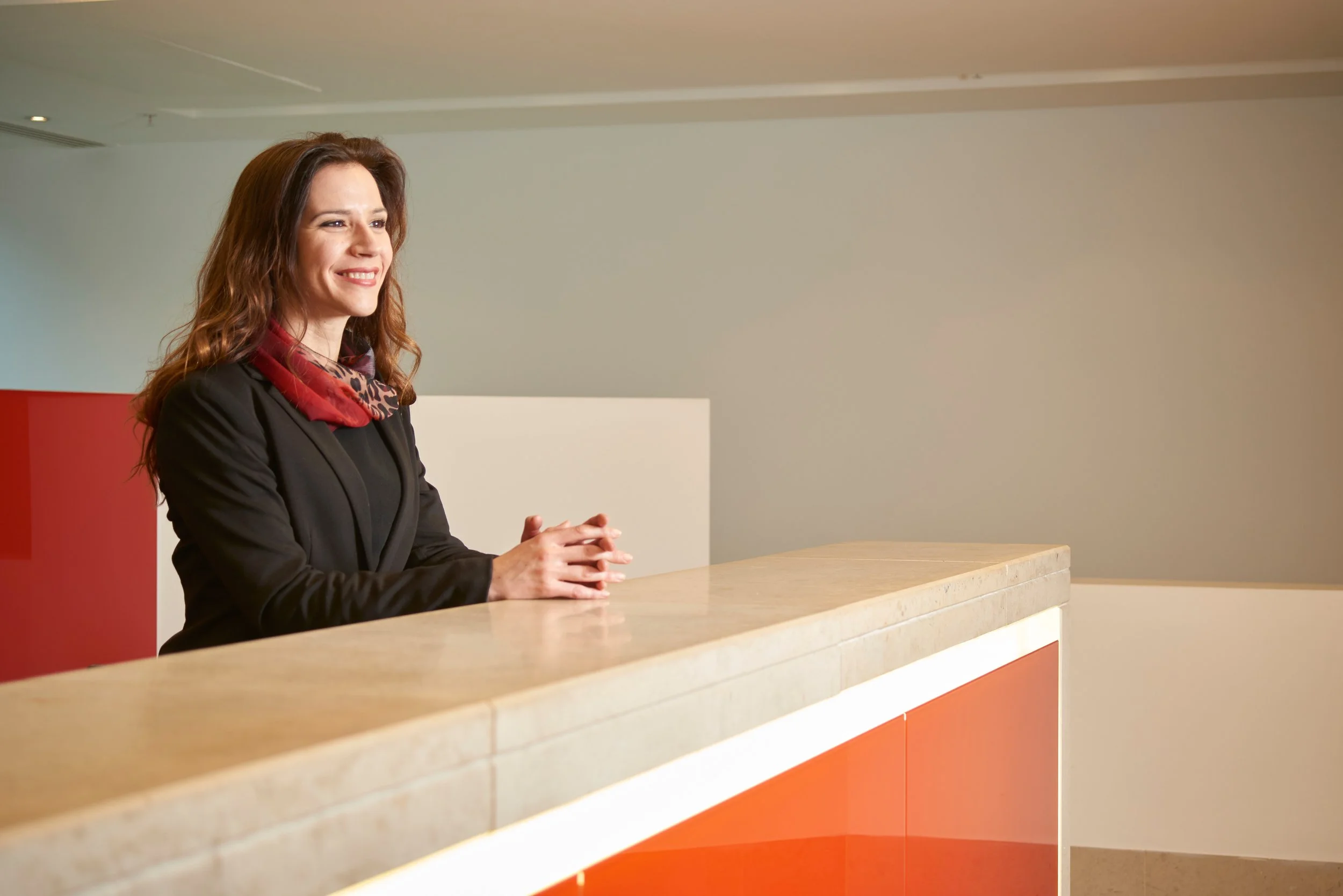
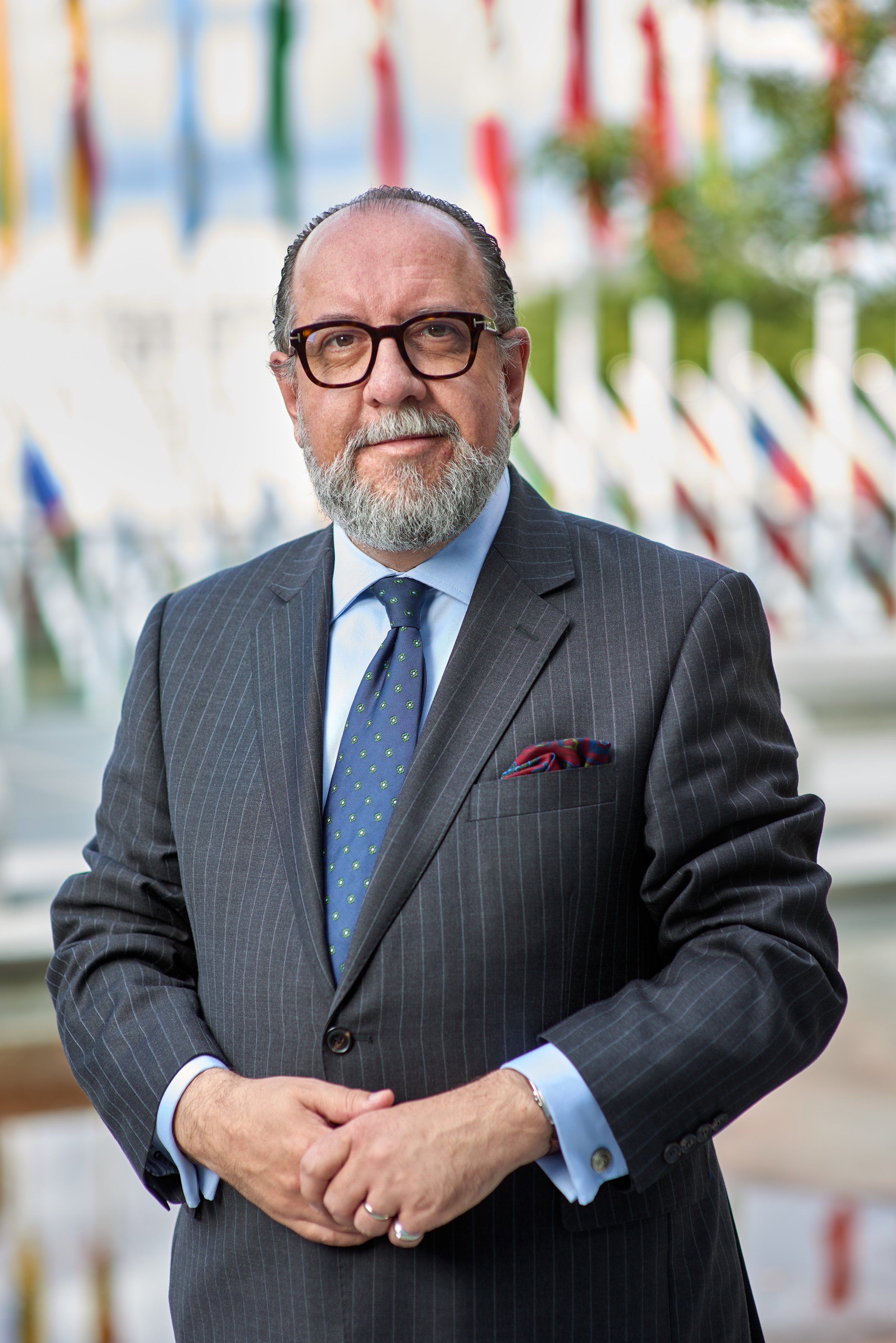
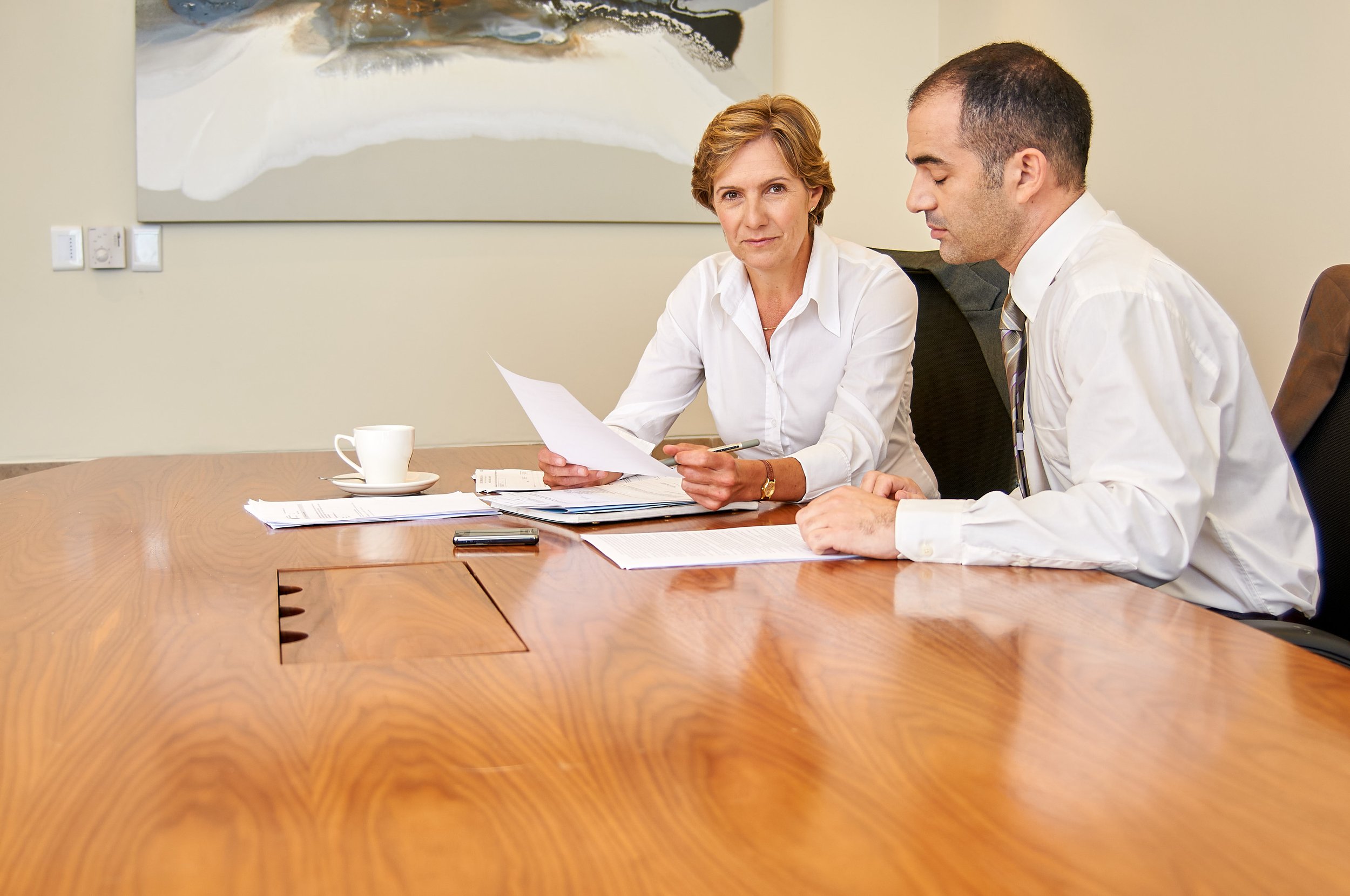
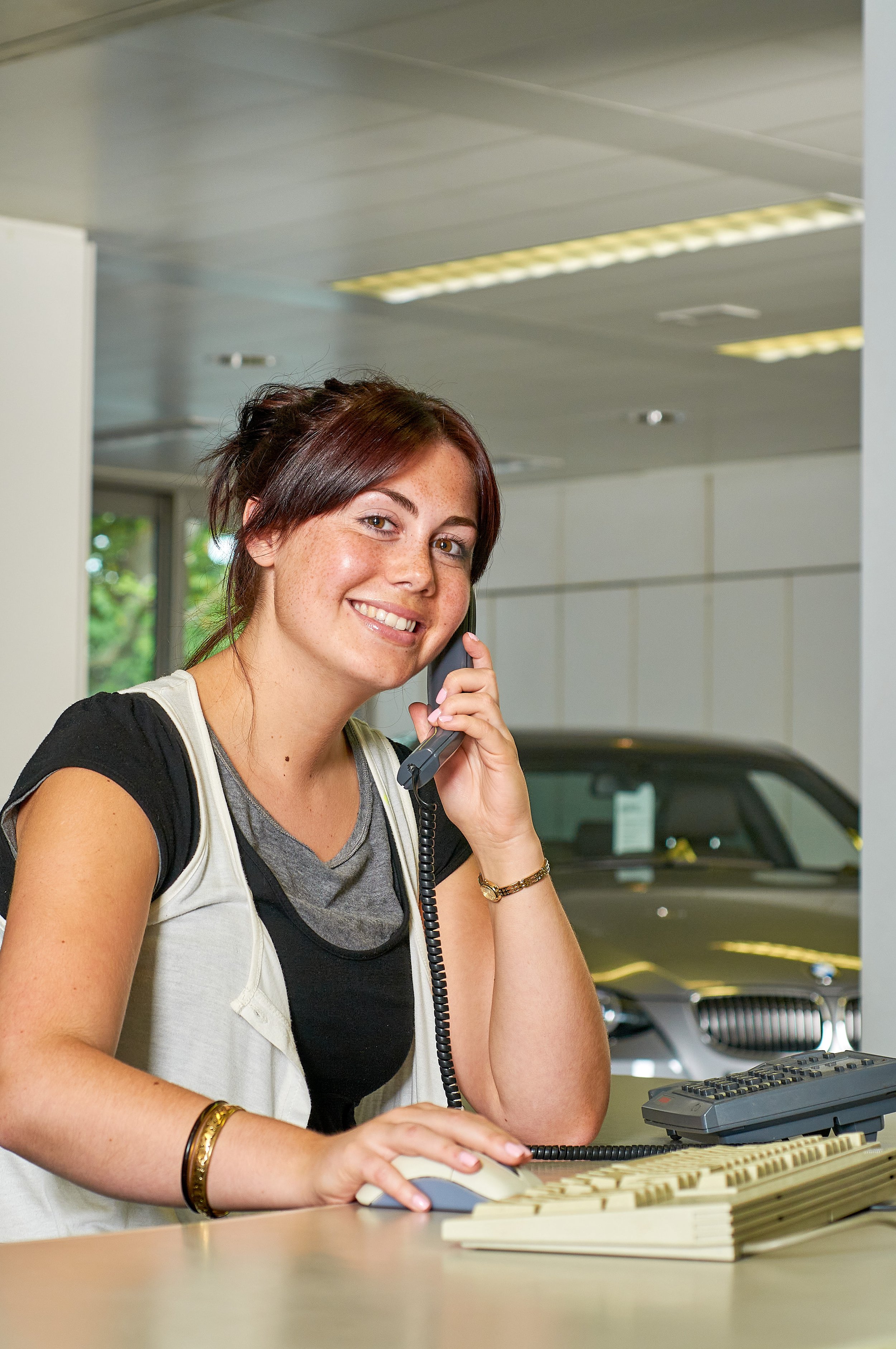
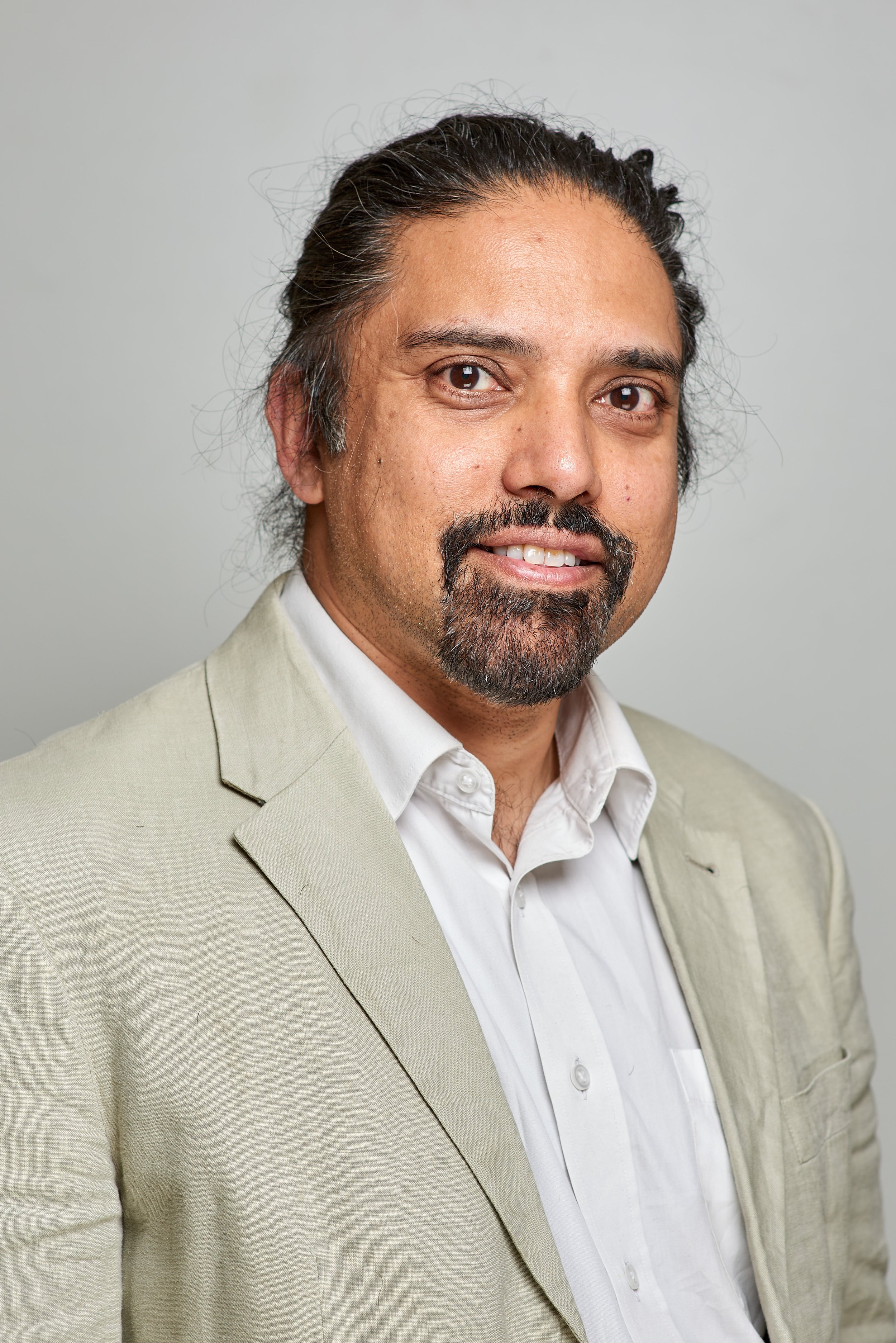
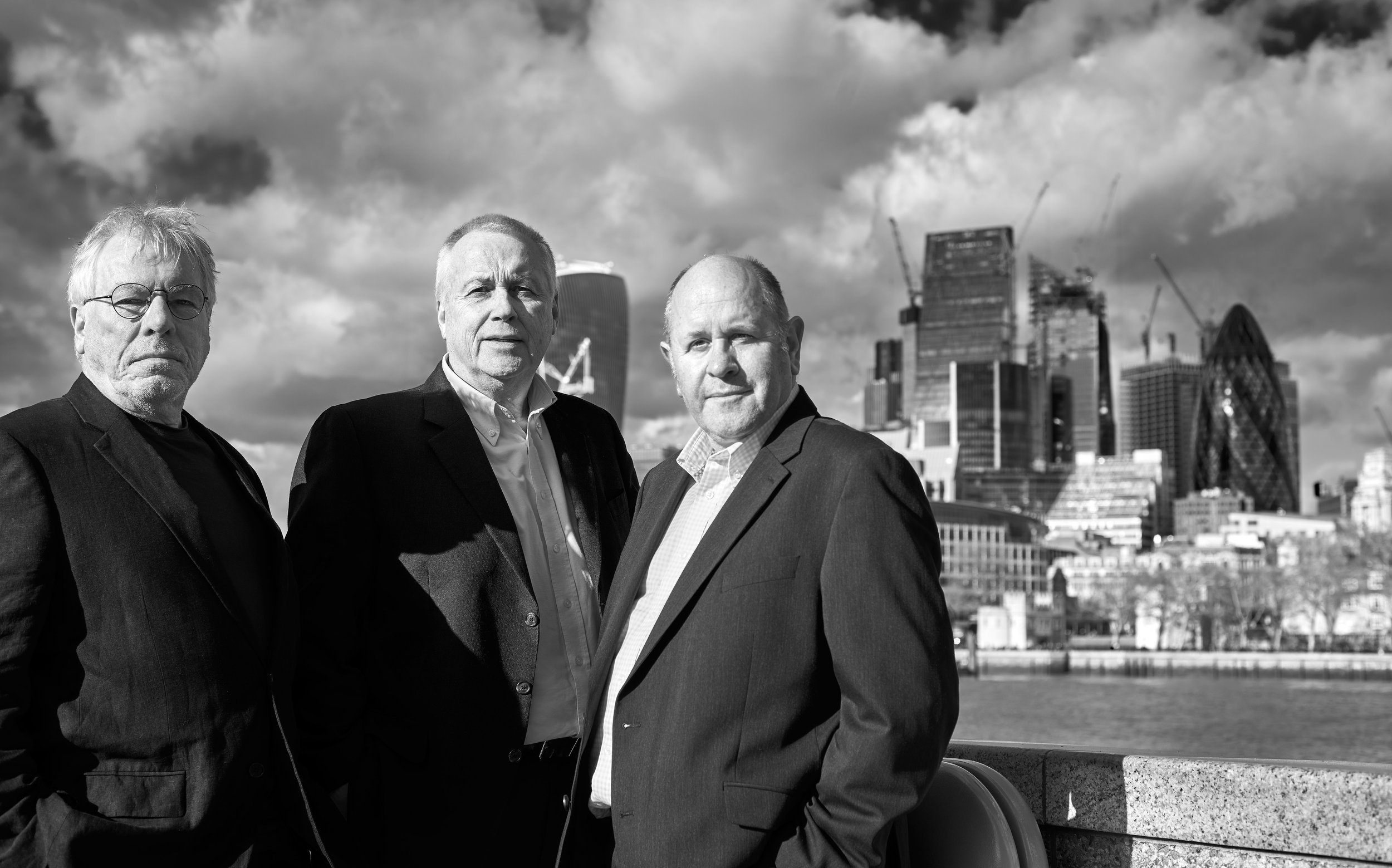
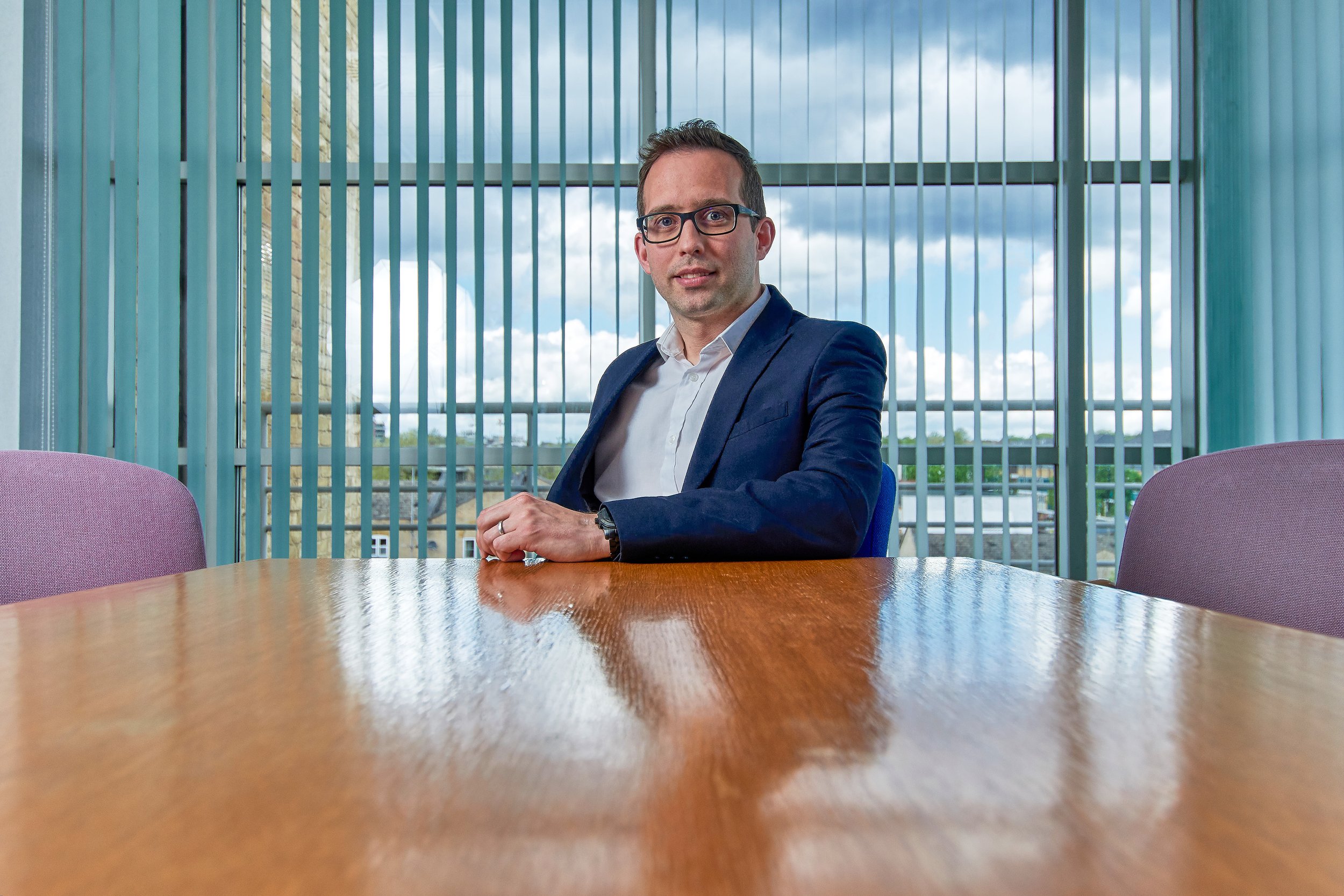
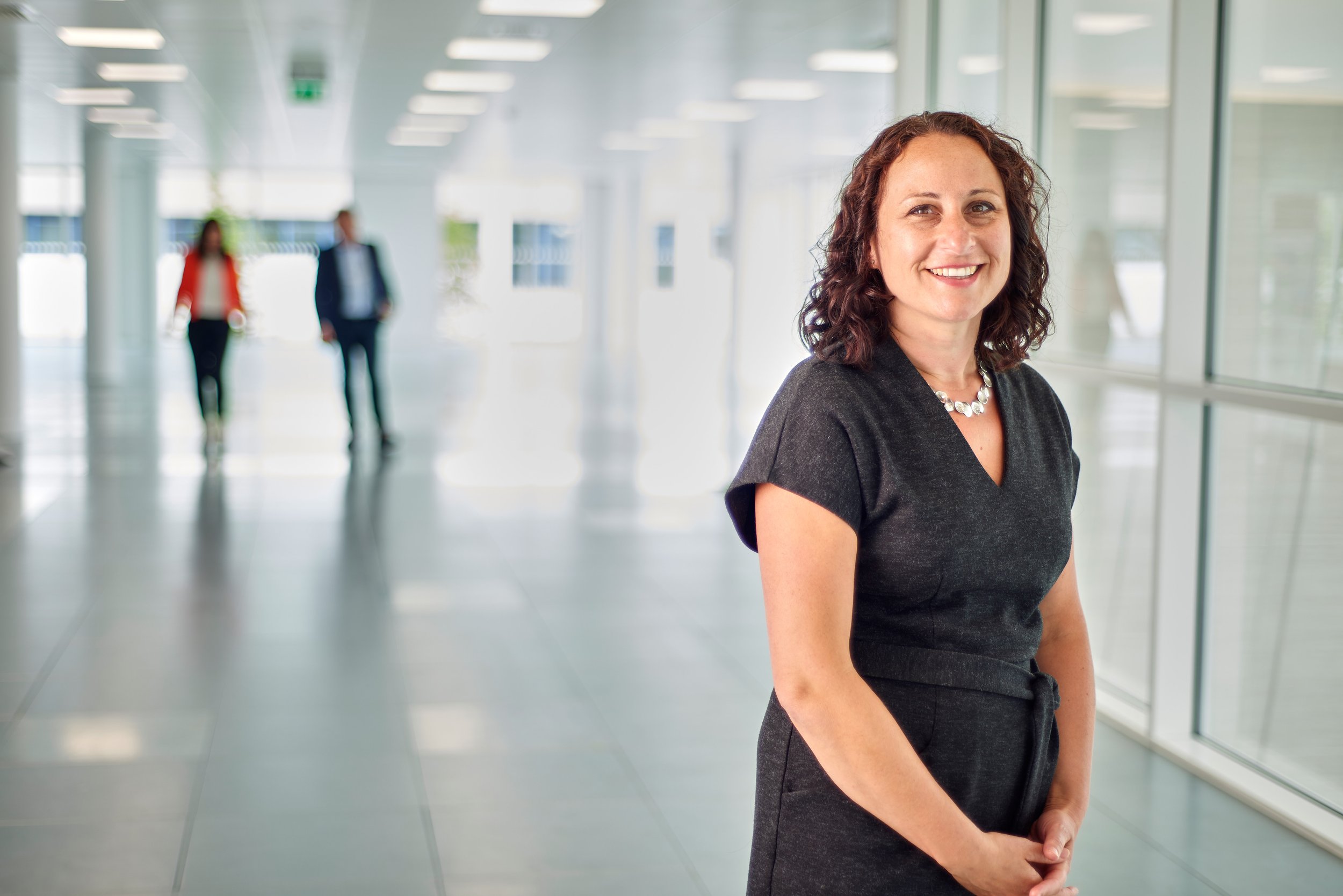
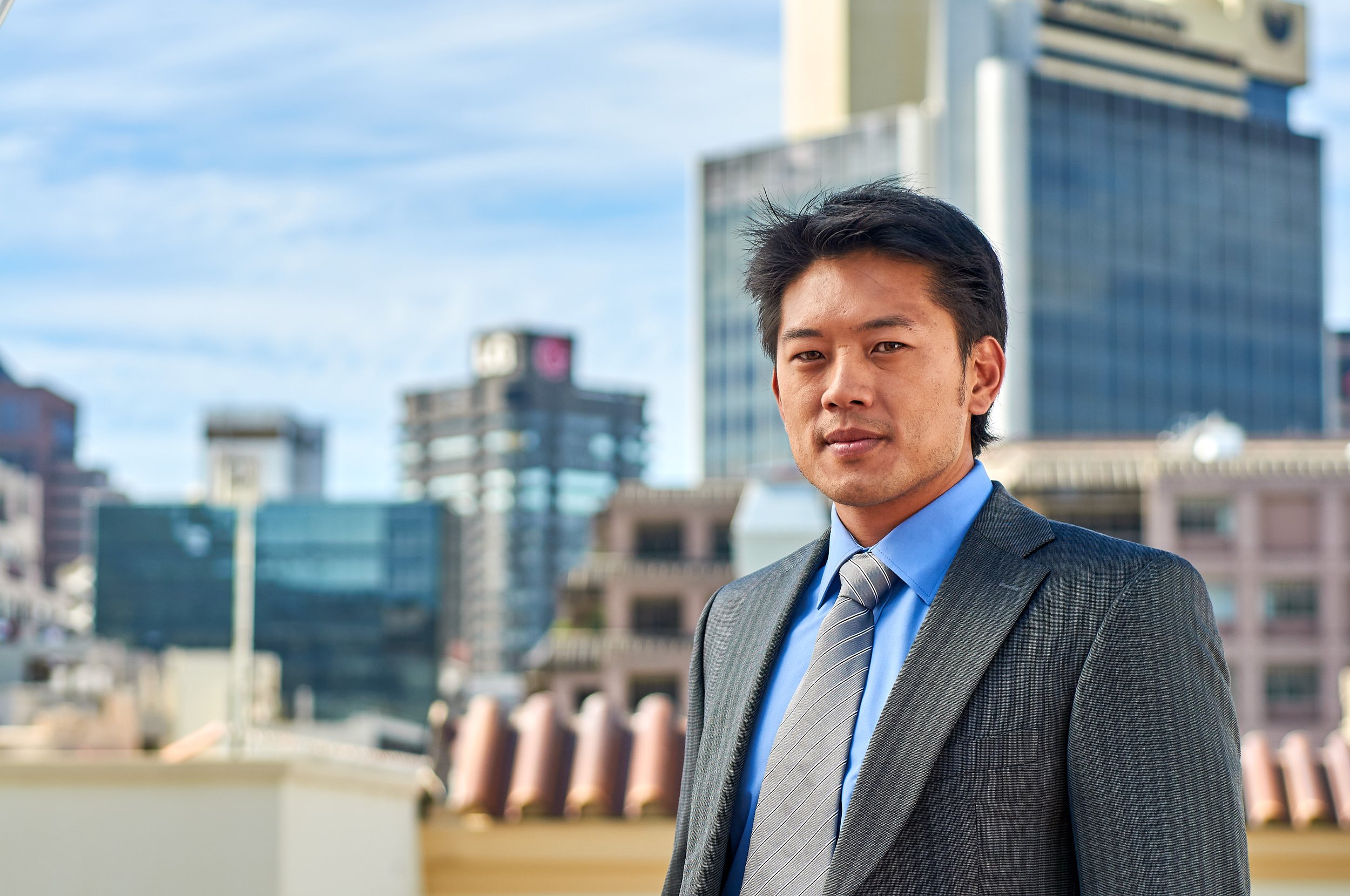
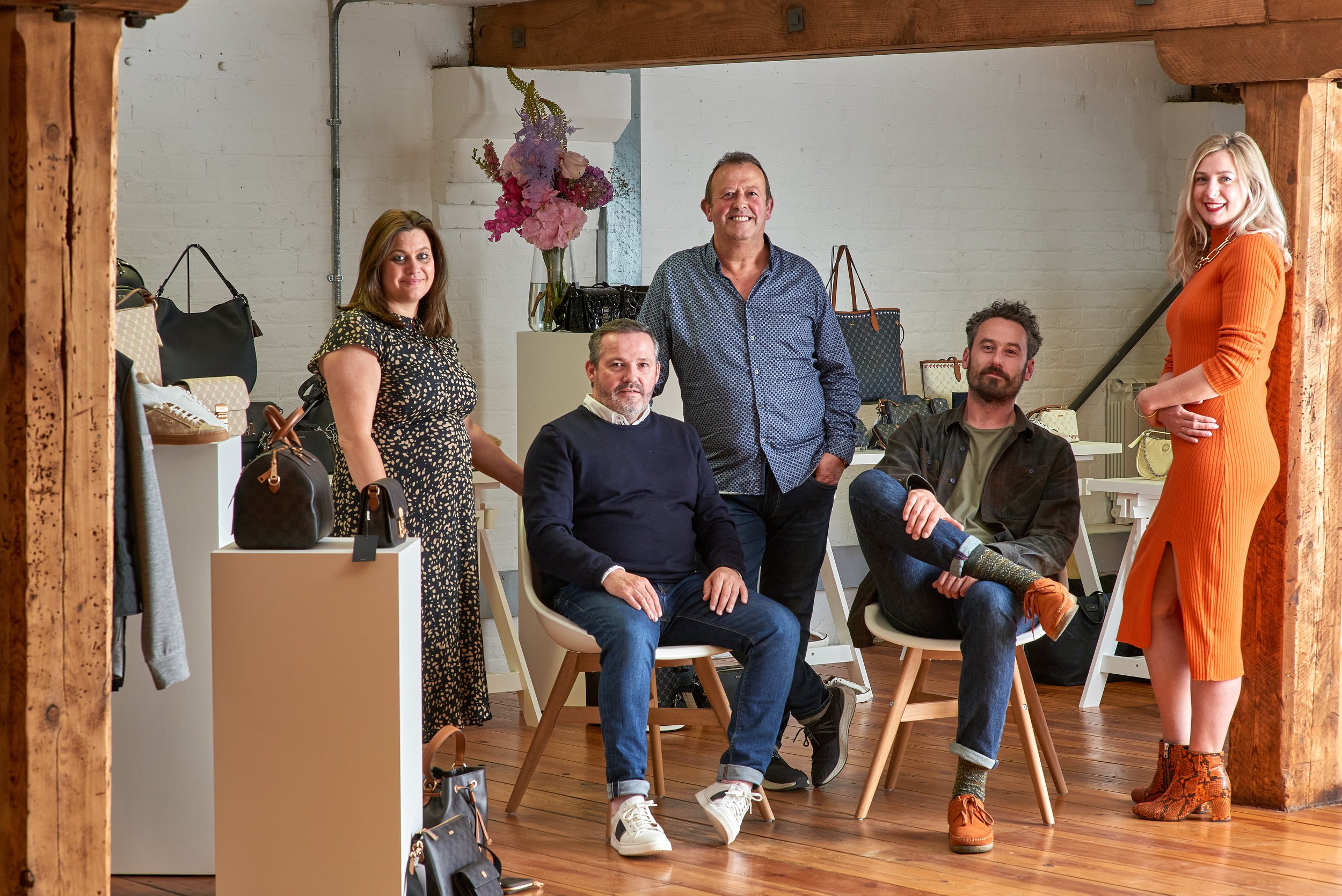
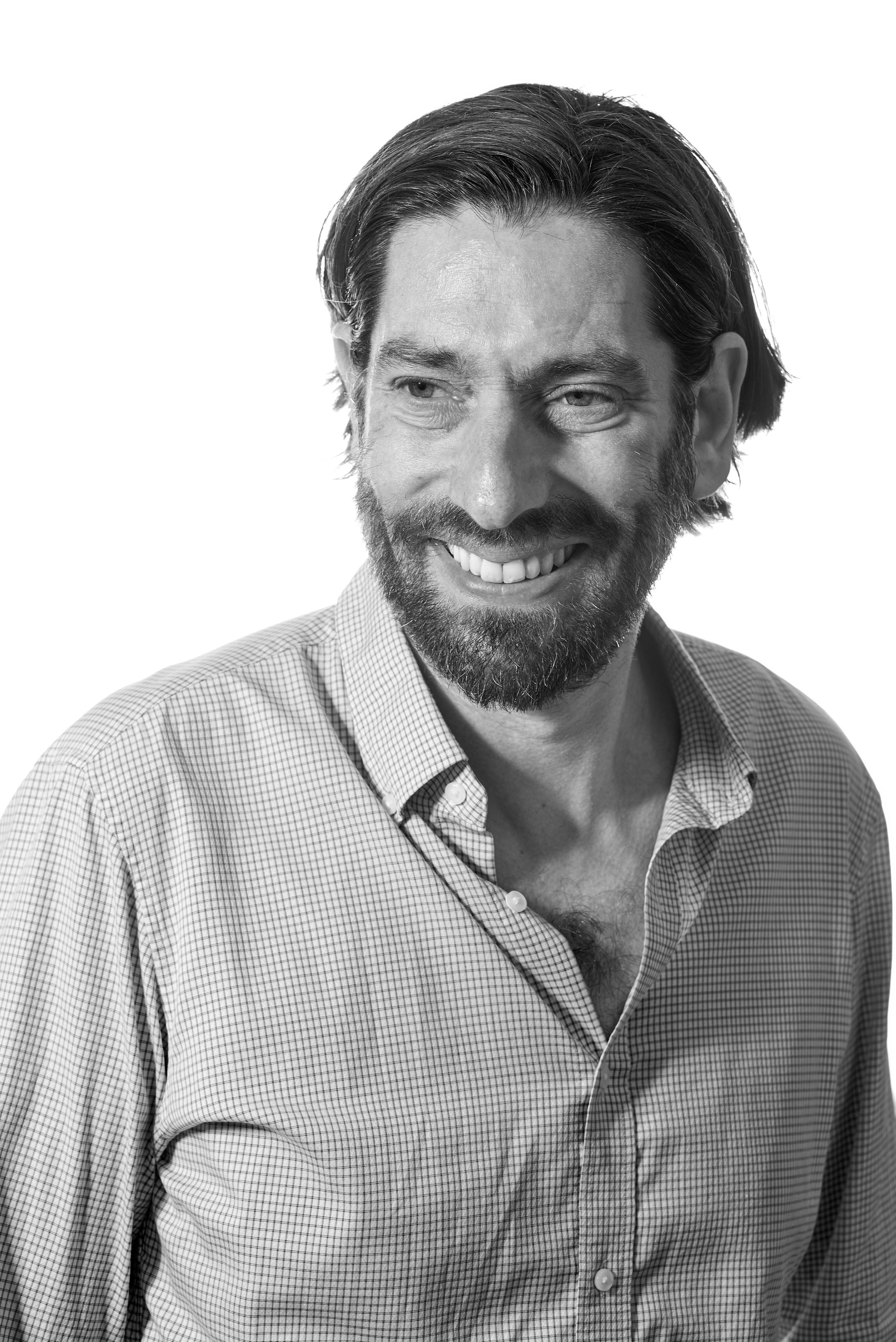
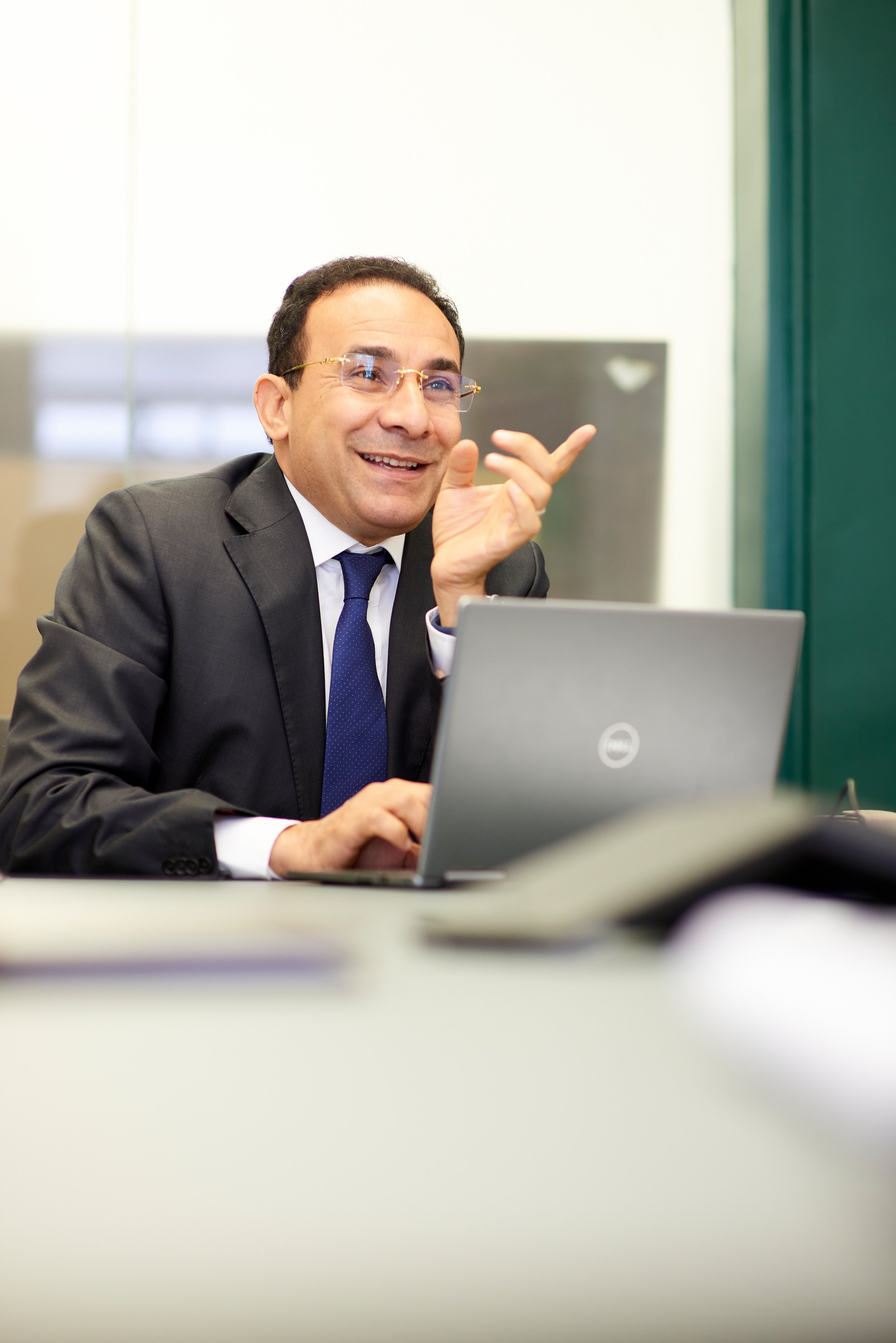
Corporate Portraits and Headshots
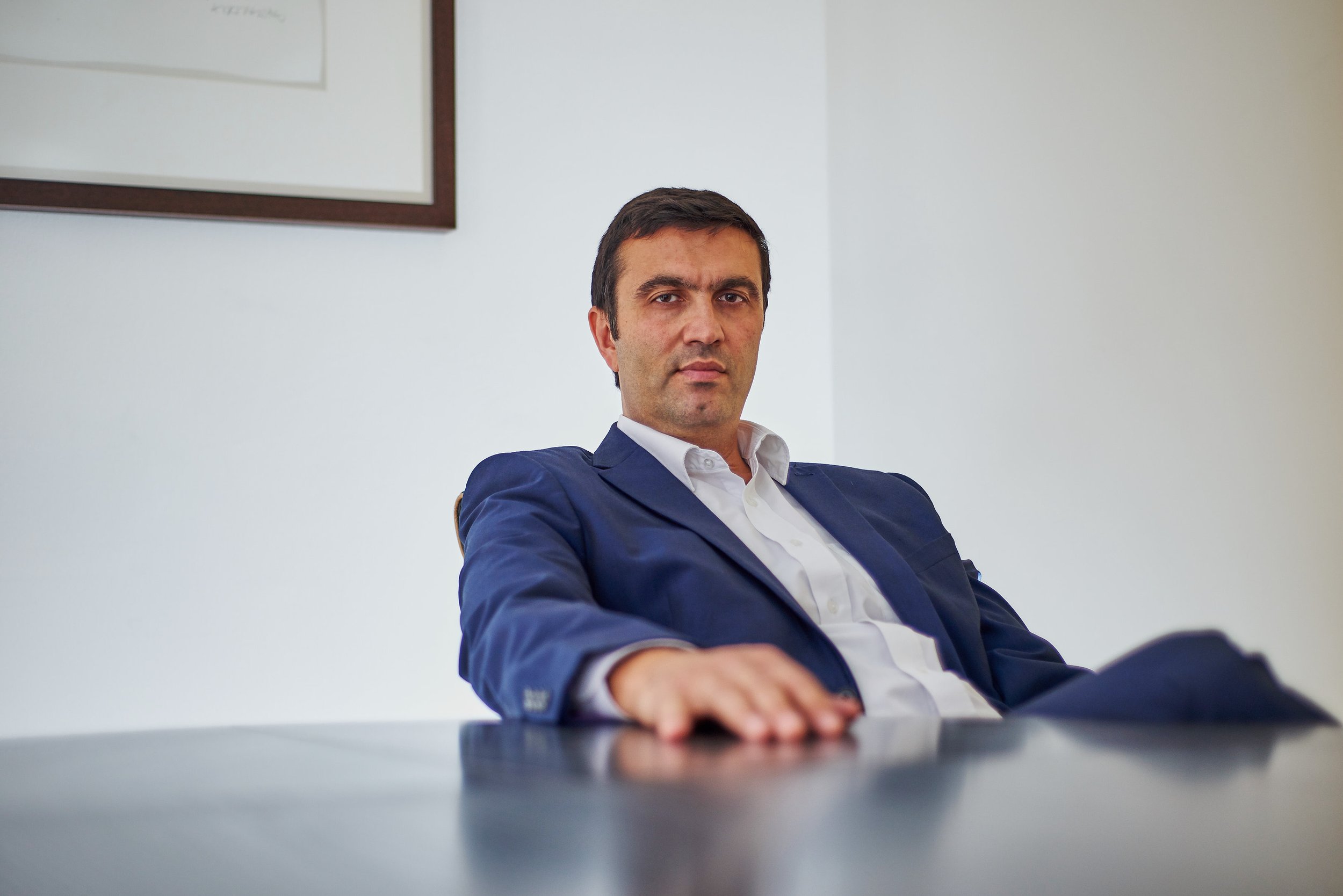
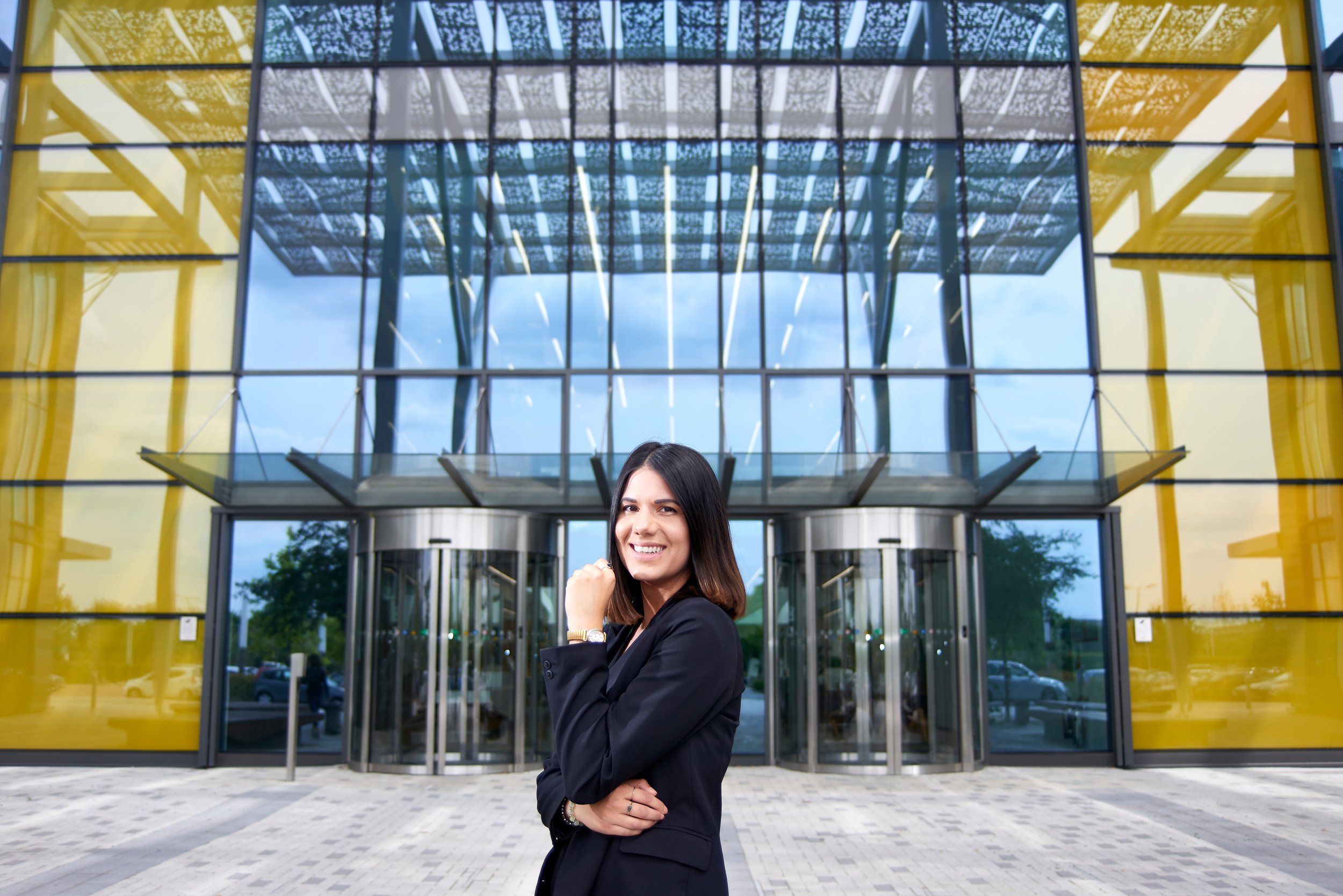
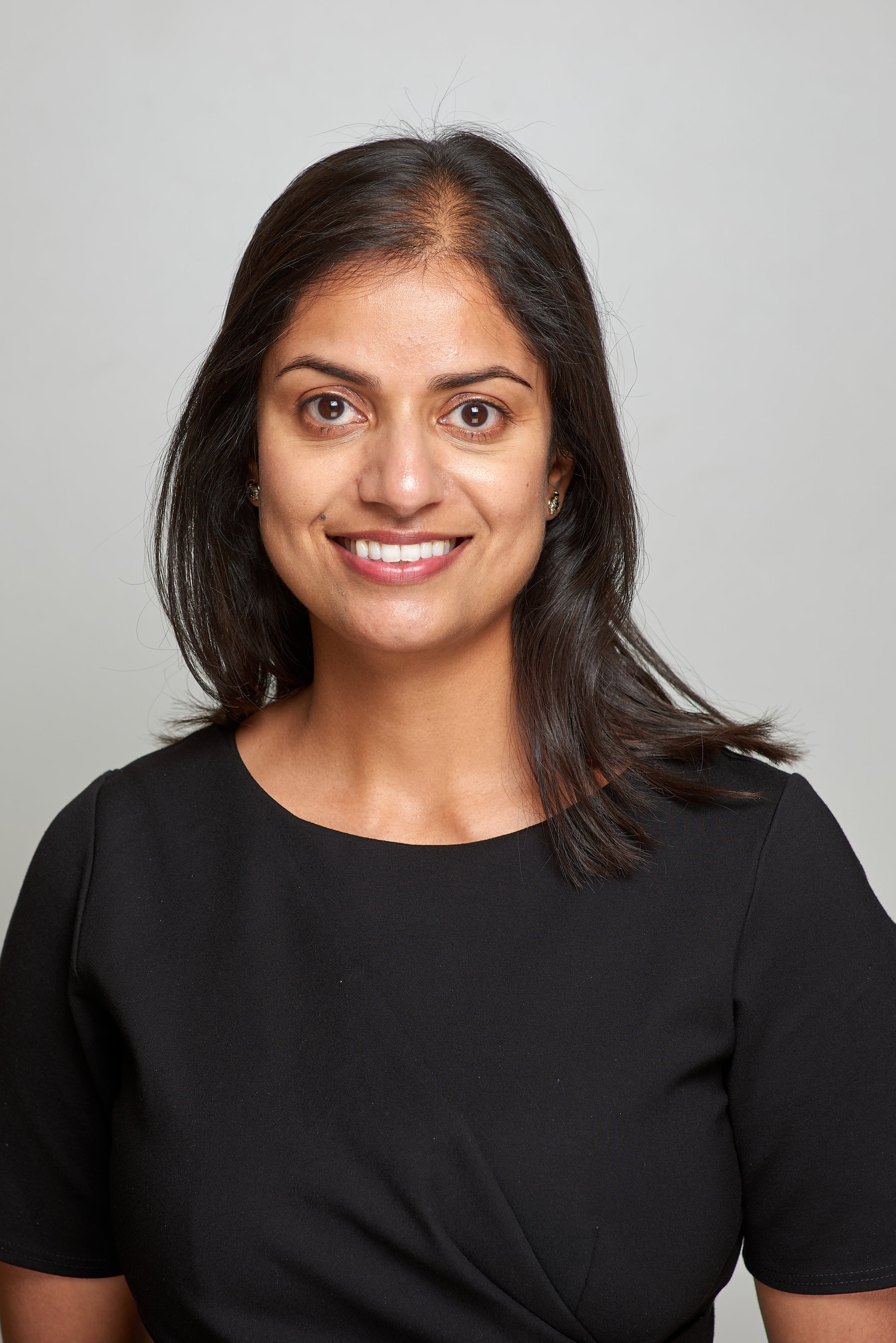
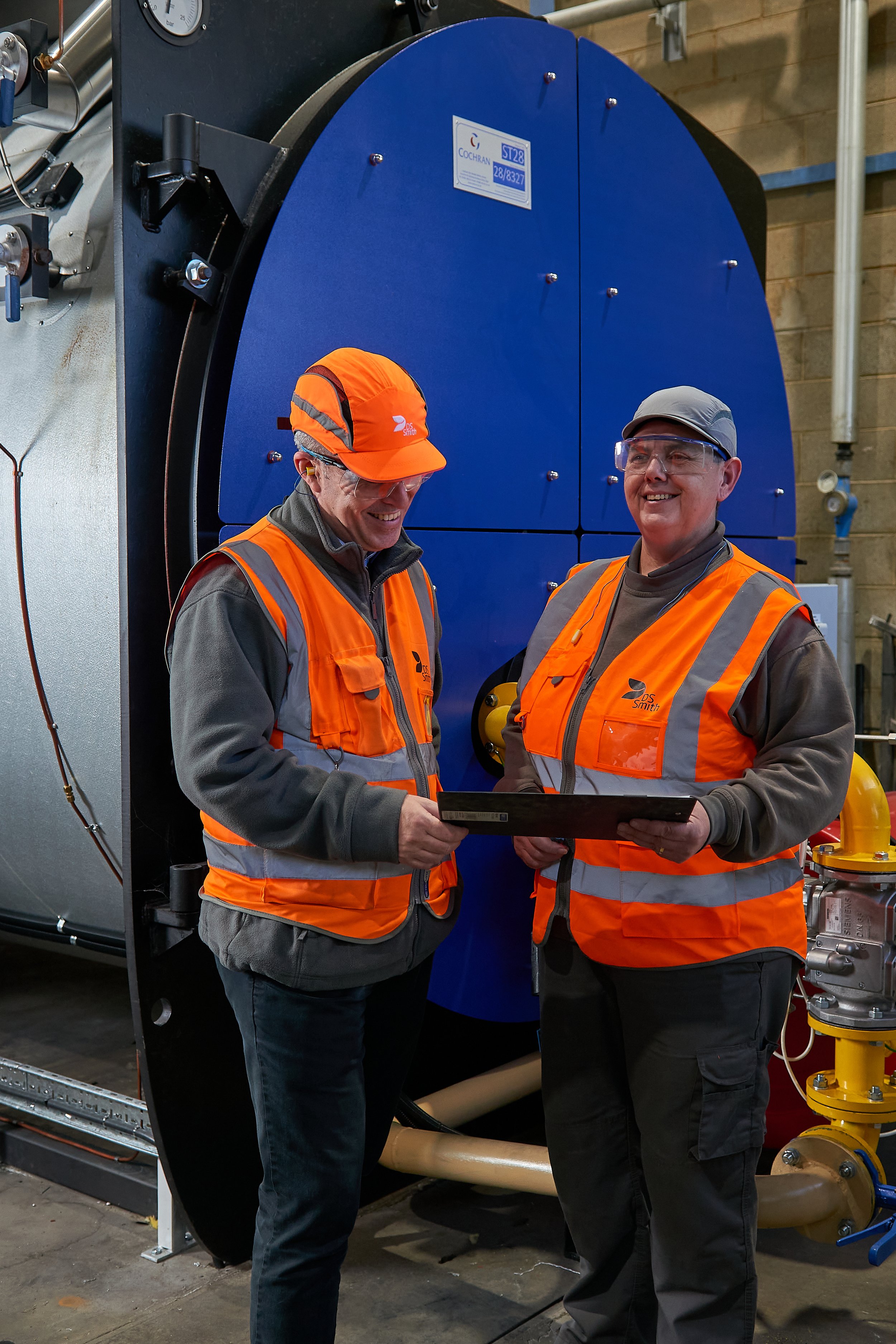
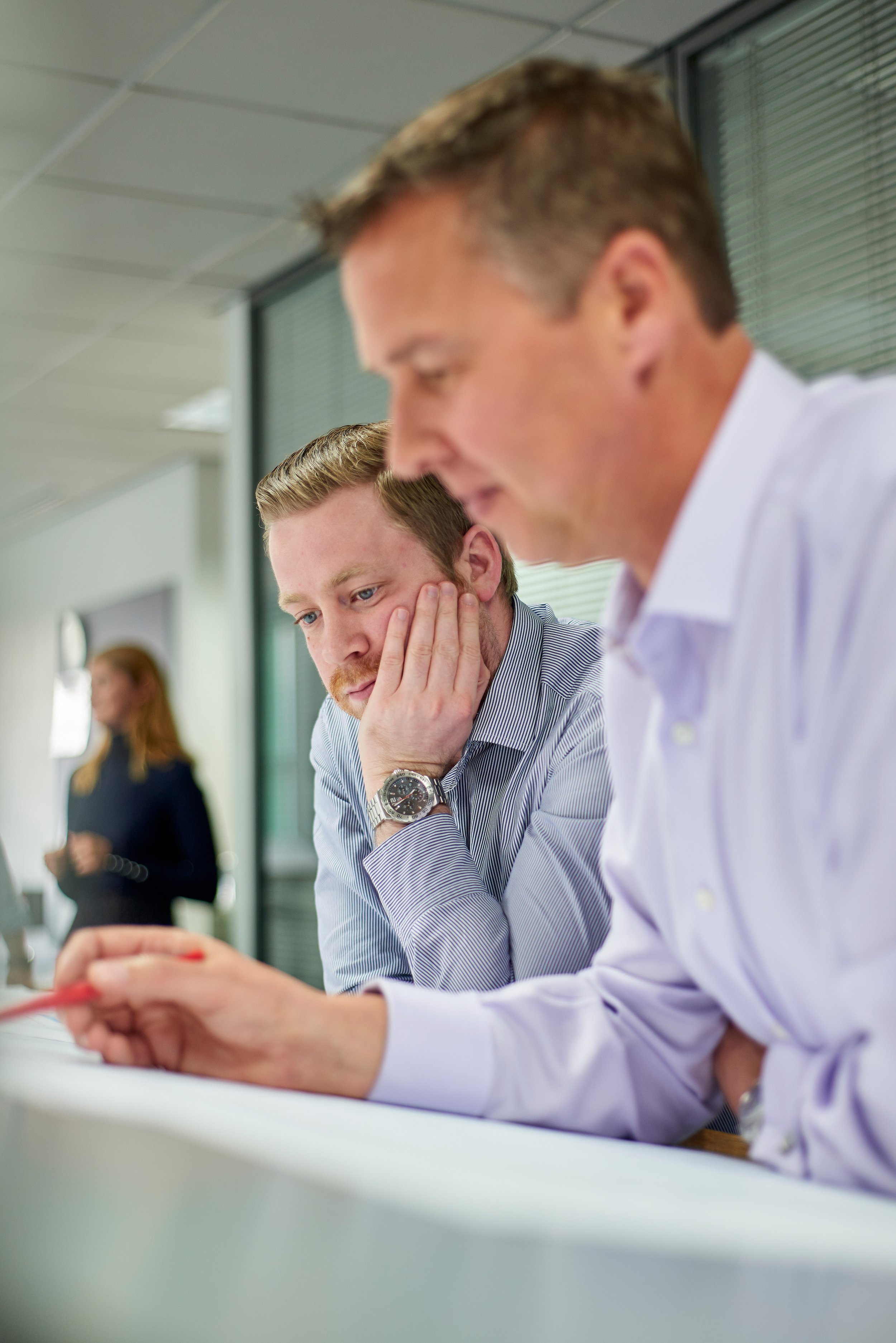
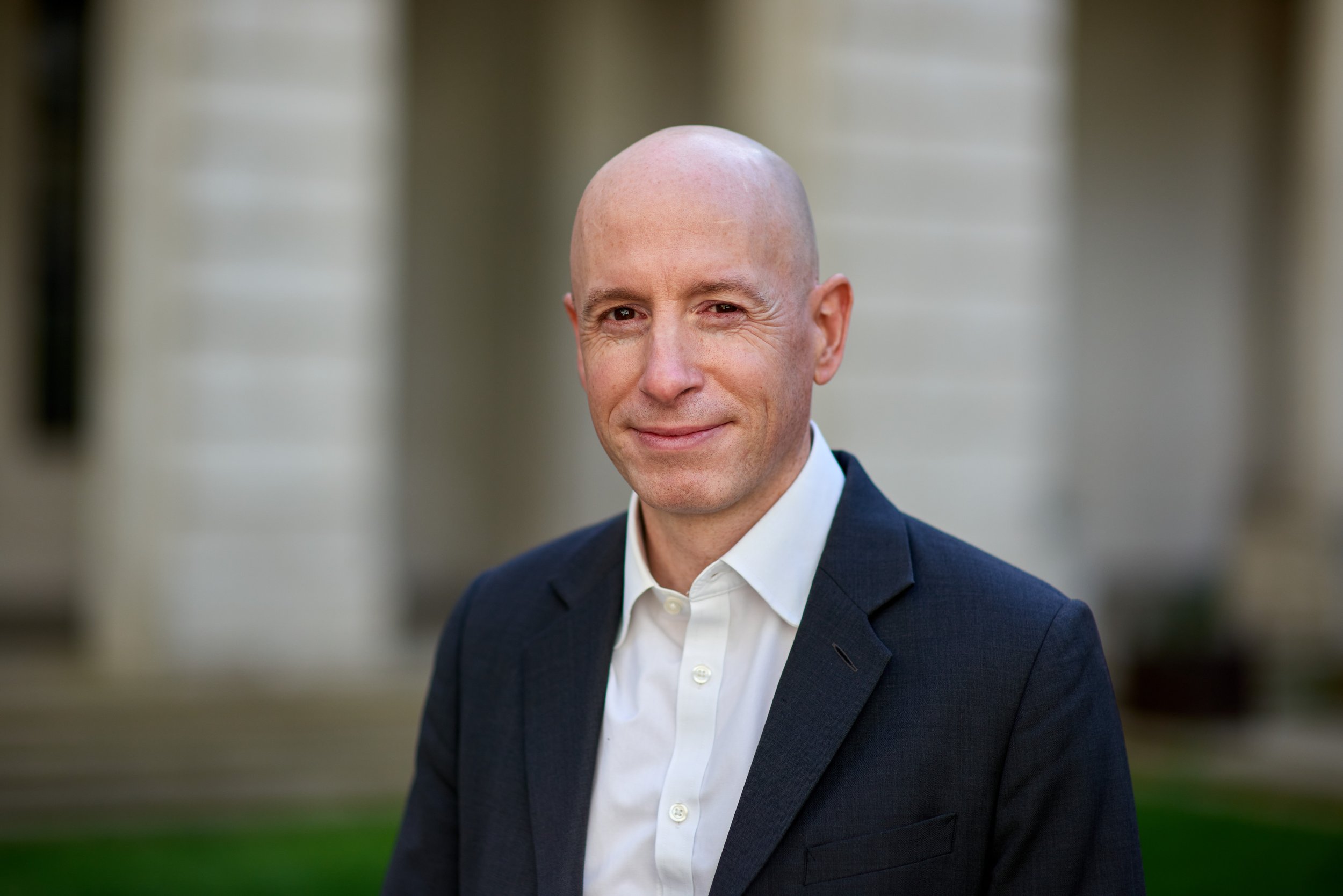
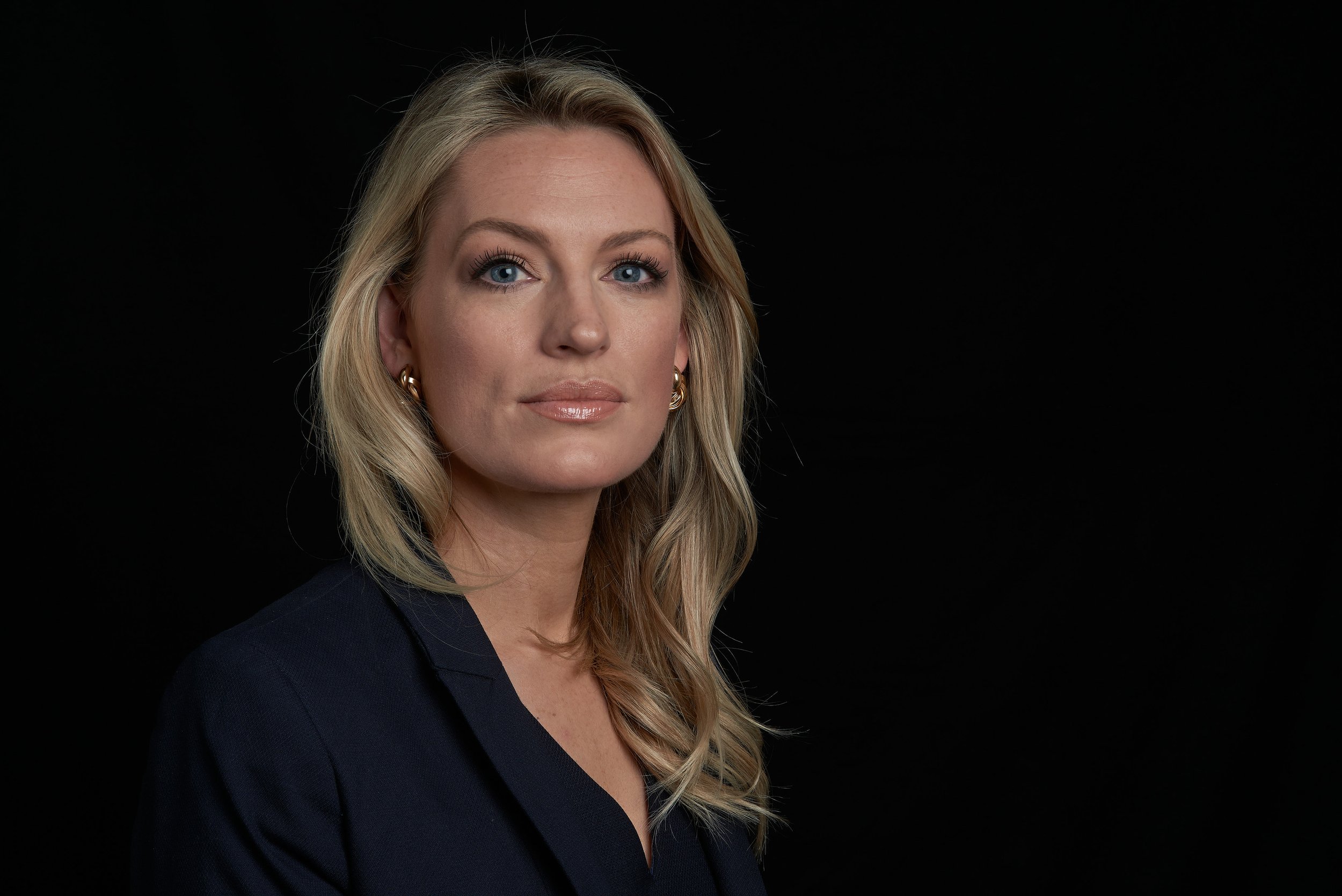
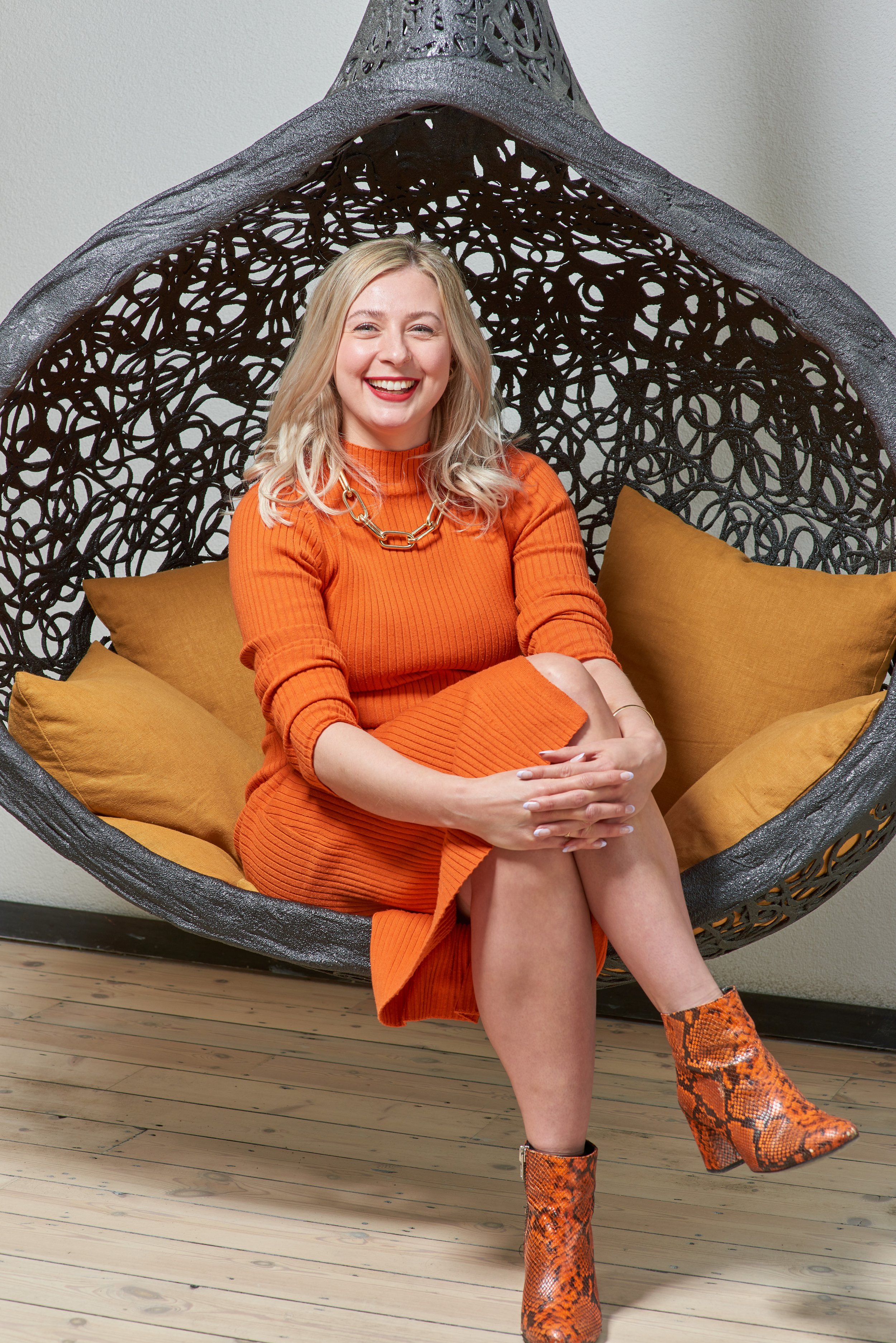
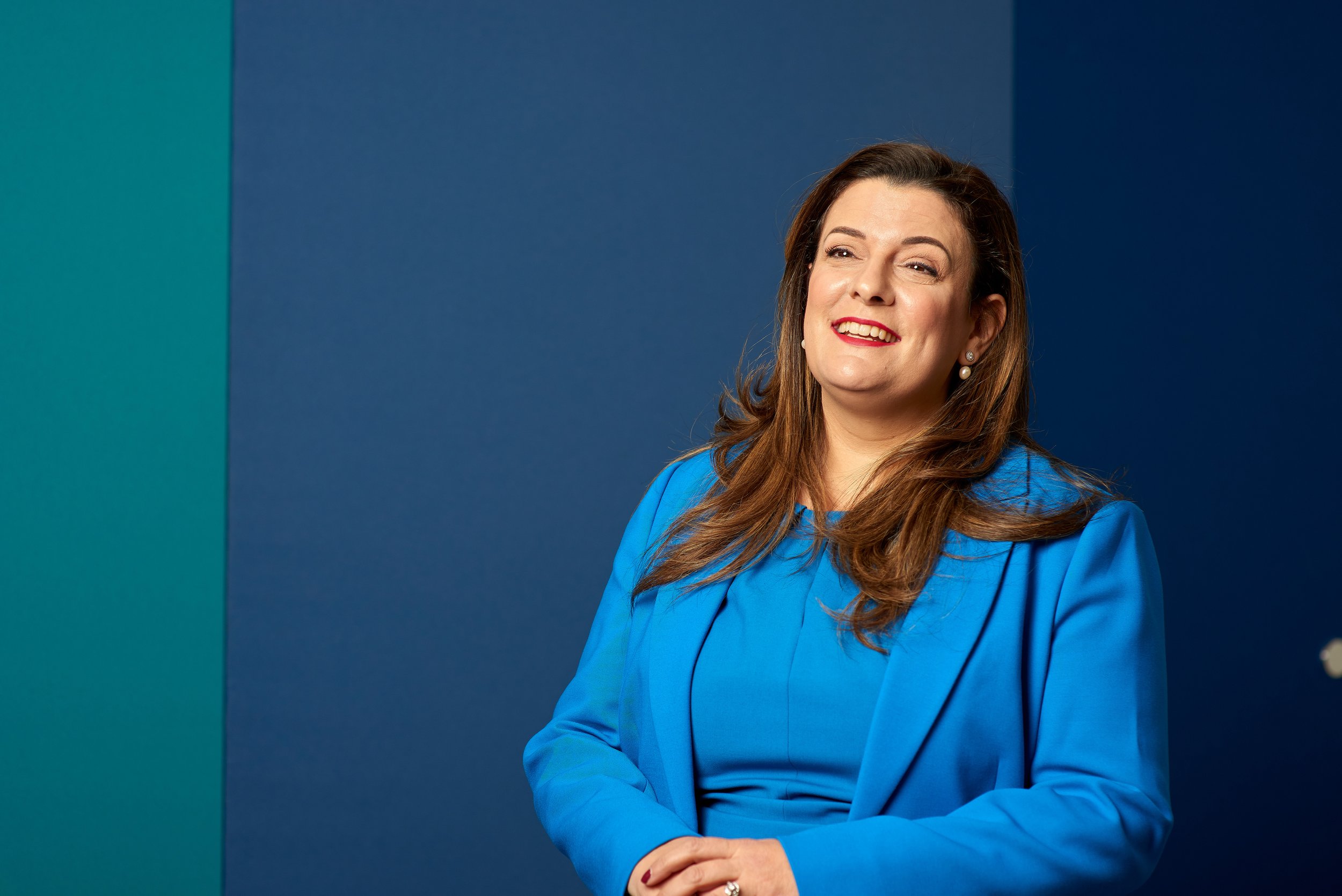
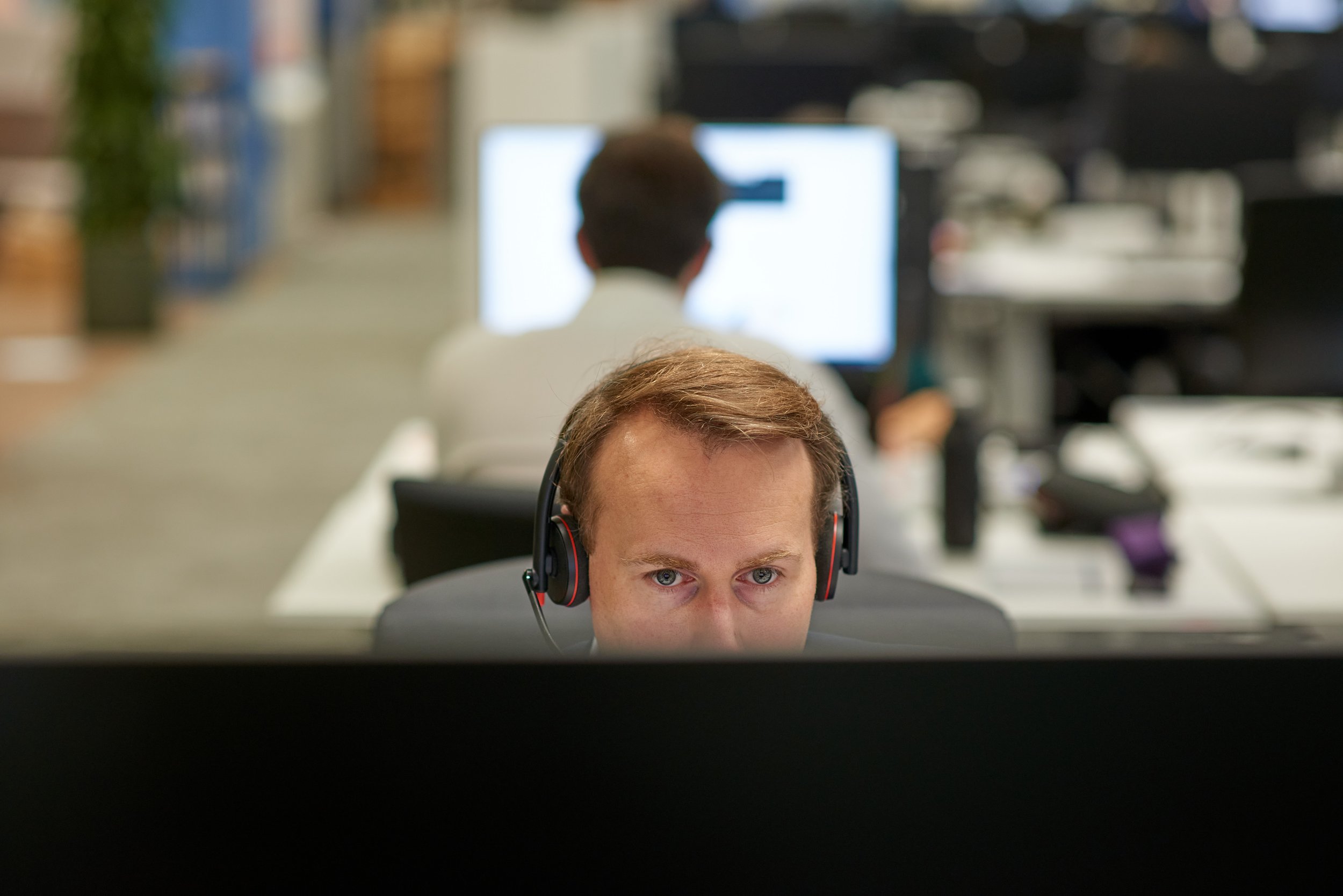
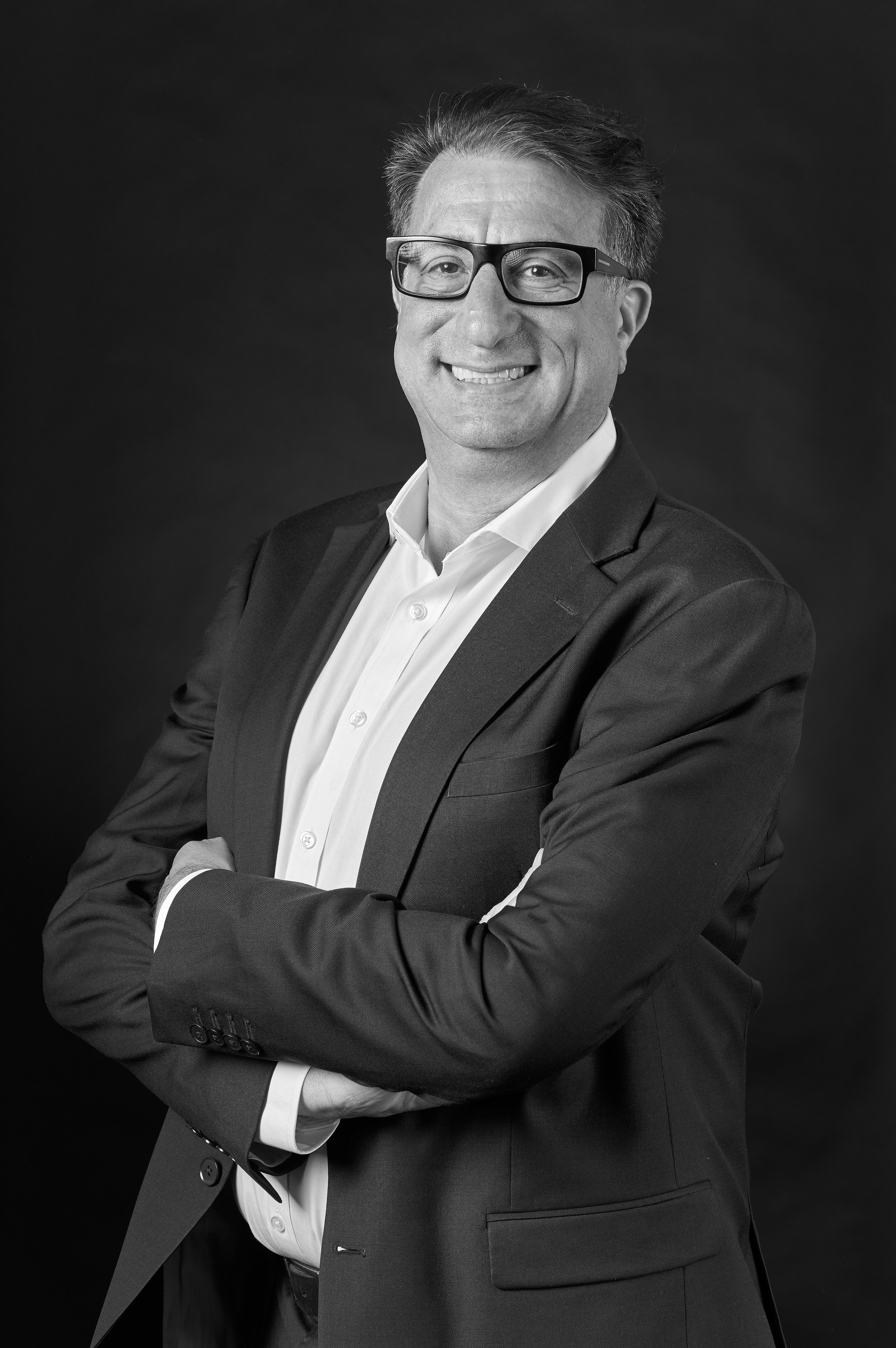
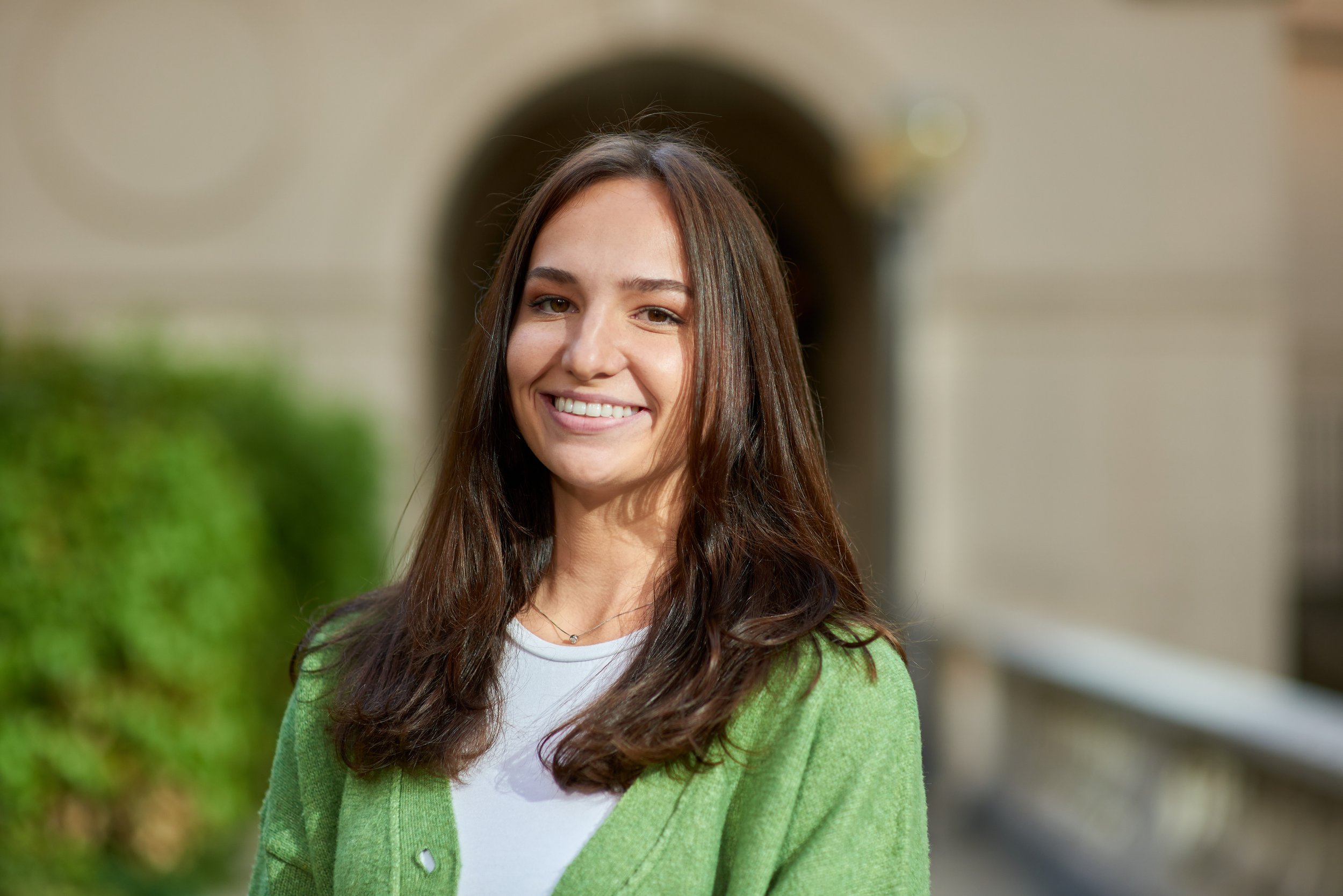
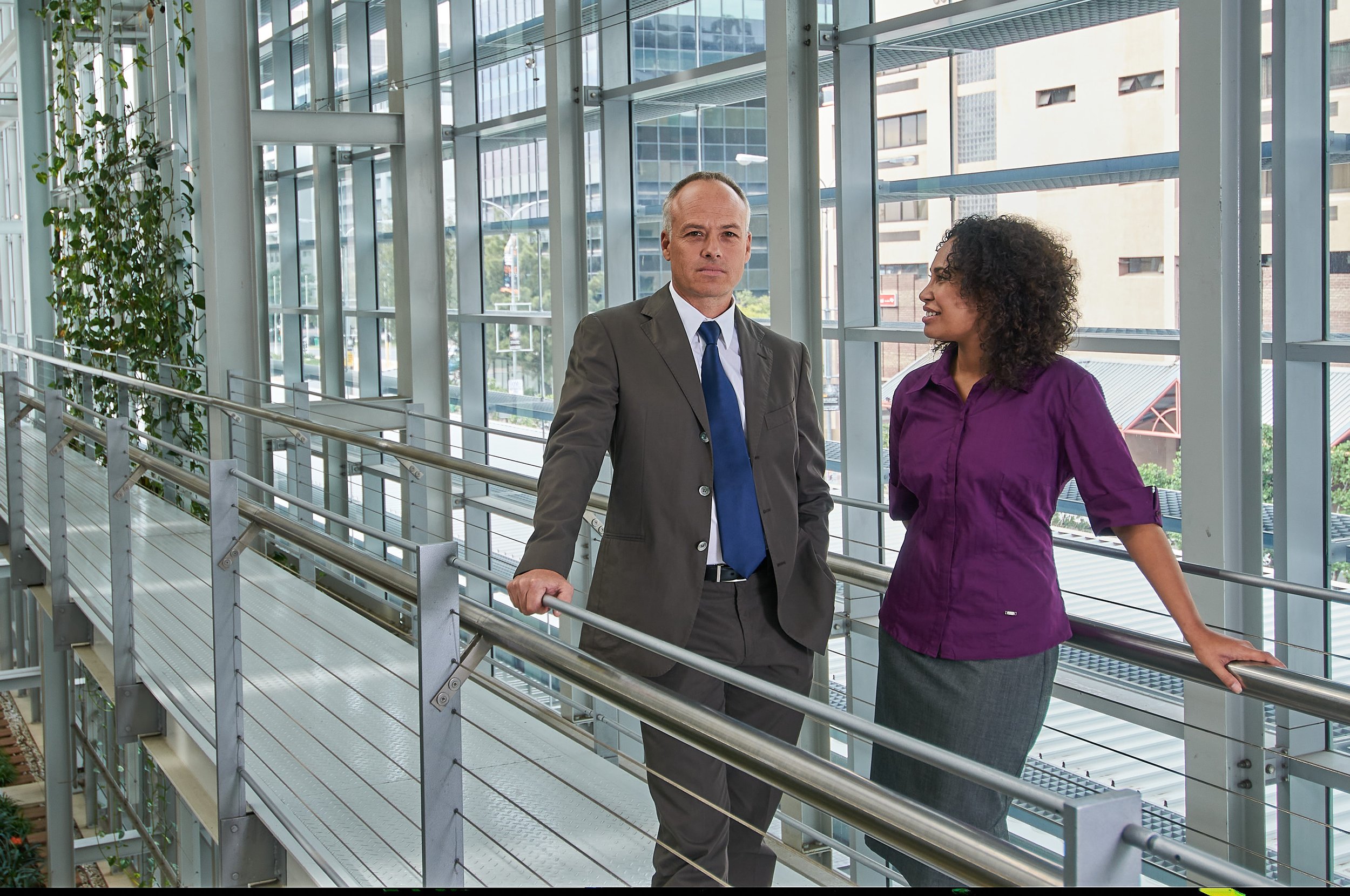
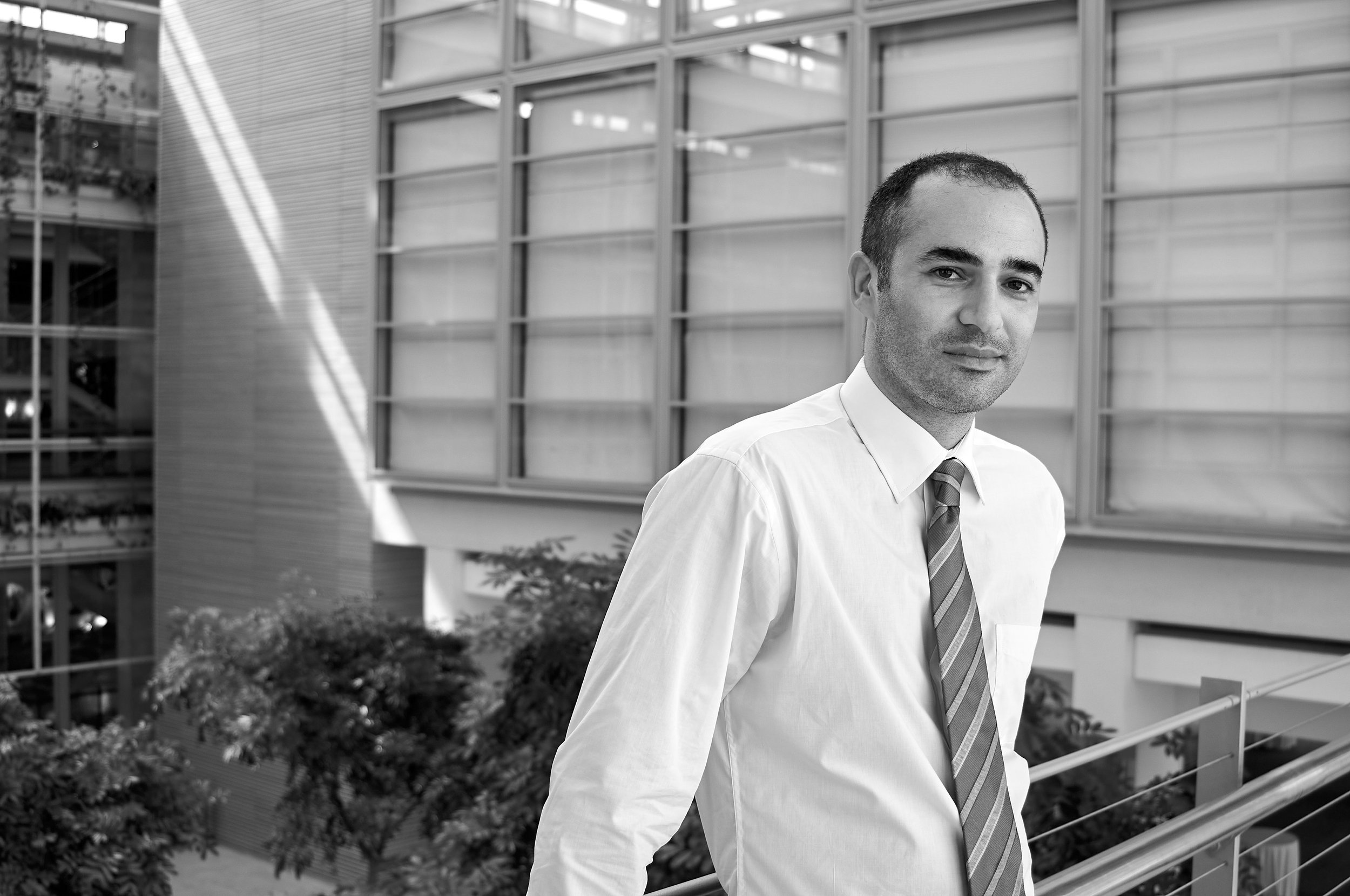
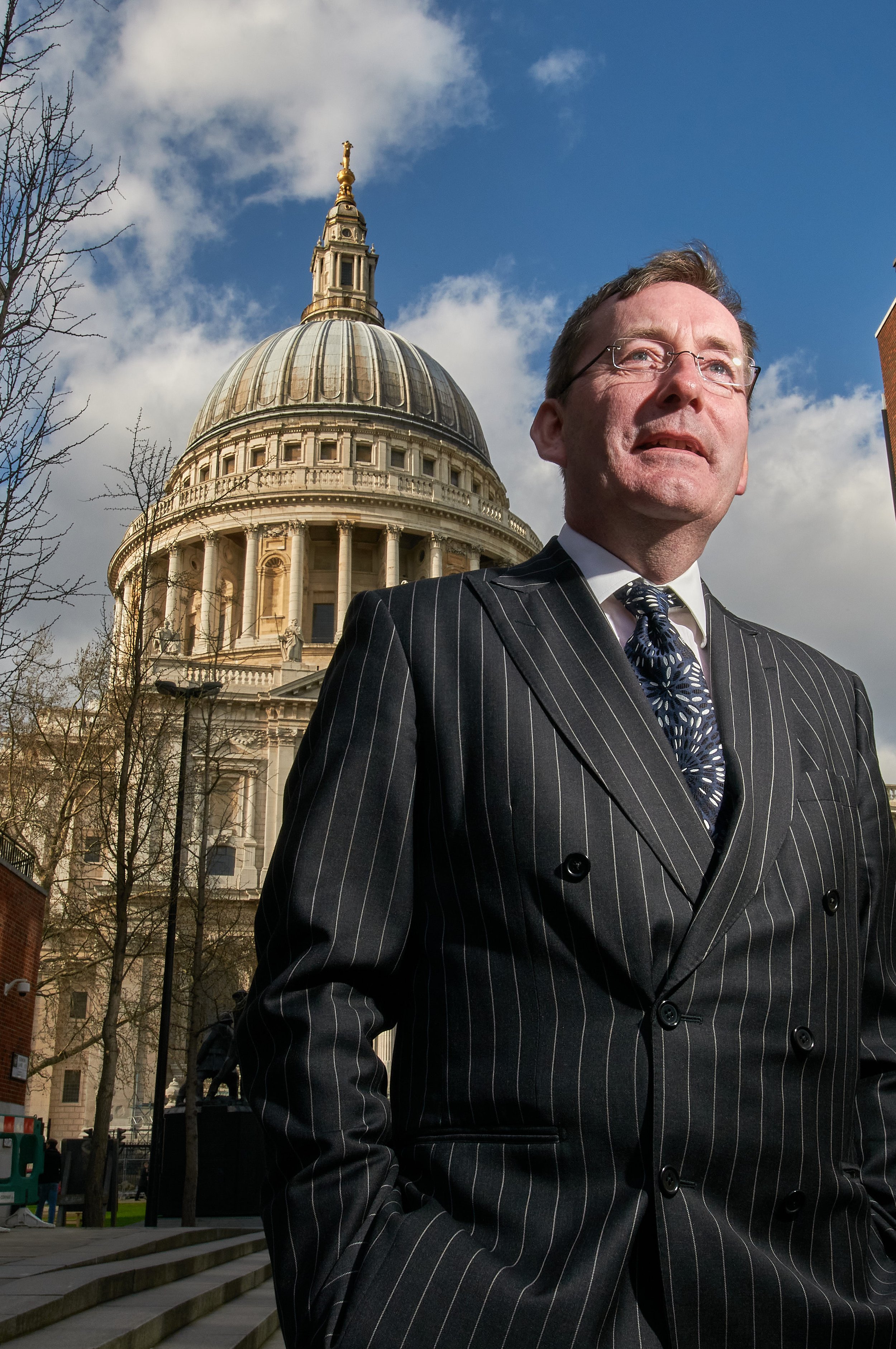
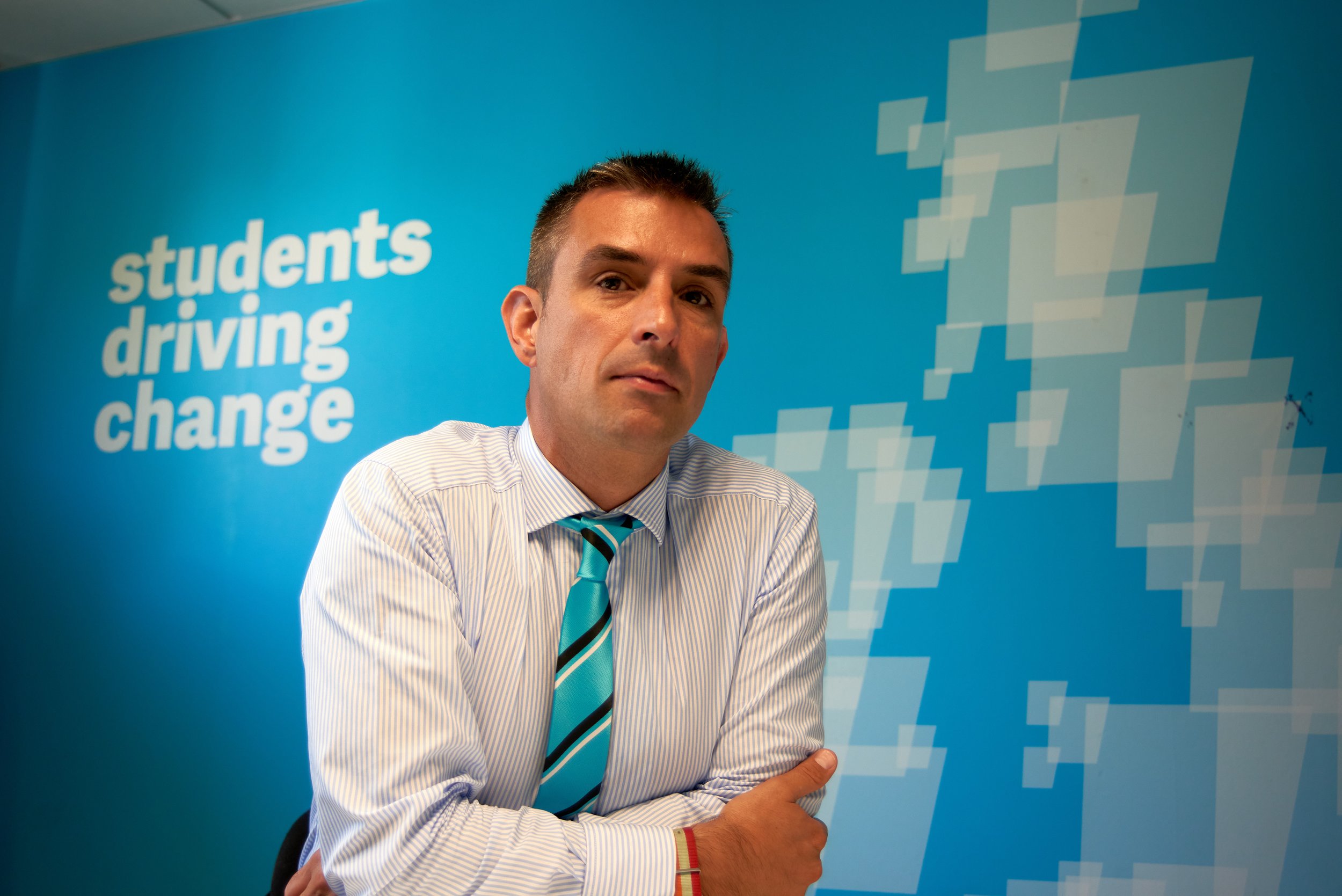
I’ve been taking corporate portraits and headshots as part of my job as a freelance photographer for many years. Because no two businesses are the same, no two jobs are the same and every client has specific criteria for how they want to represent themselves and their staff. Whether photographing portraits for a large corporation with hundreds of employees, or a small local business with only a handful of staff, I always work closely with the client to ensure their needs are met. Business portraits are intended to reflect the culture and style of your business so I will always discuss your needs in advance so that on the day the process runs as smoothly as possible.
I bring all the necessary equipment and years of experience to your place of work - all I need is a suitable location and I will create a mobile studio in order to get consistent results which will present you and your staff in a relaxed, friendly and professional manner. Normally every portrait takes around 15-20 minutes. Because I understand very few people enjoy having their picture taken I always spend a few minutes having a little chat first, which gives people time to relax, resulting in a more personal and authentic portrait.
I almost always shoot tethered, which means my camera is connected to my laptop and you will be able to see the results immediately on screen. At the end of each session I will go through the images with you to make a selection of your favourites, which will then be processed and delivered via electronic transfer within a couple of days.
Below are some examples which show the variety of photographic styles that are a reflection of different organisations’ character.
Please get in touch to discuss your needs and arrange a portrait session for you or your company.
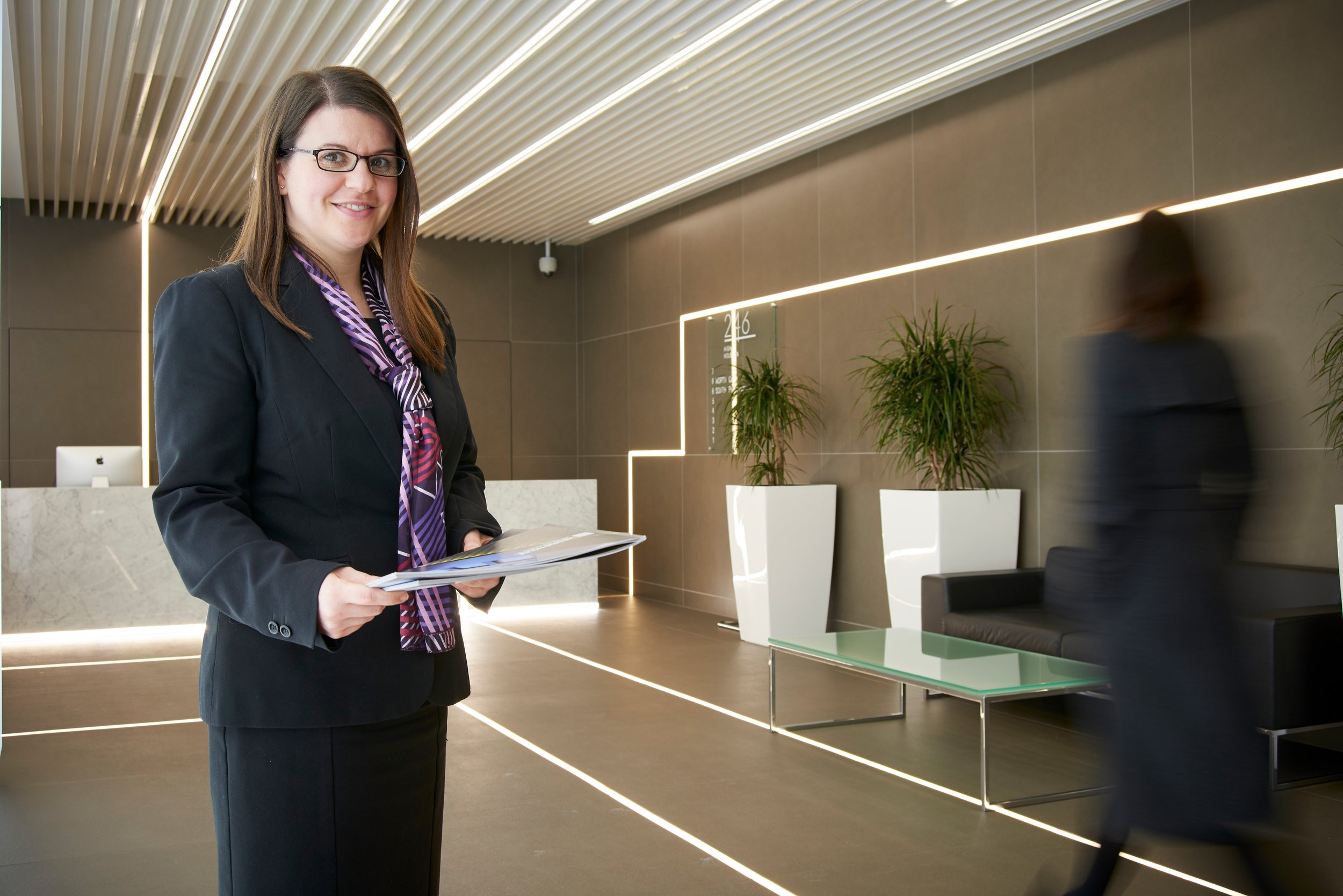
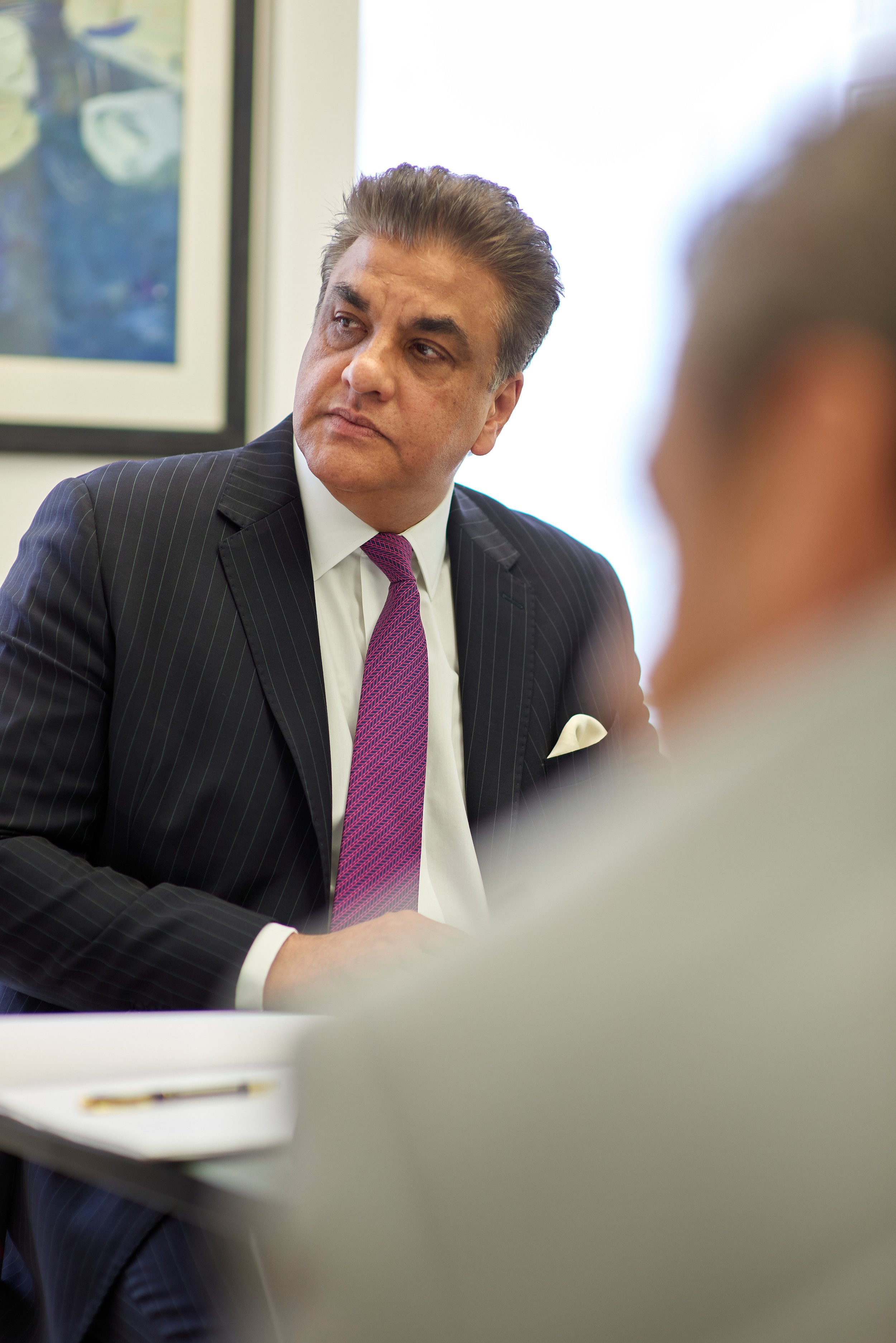
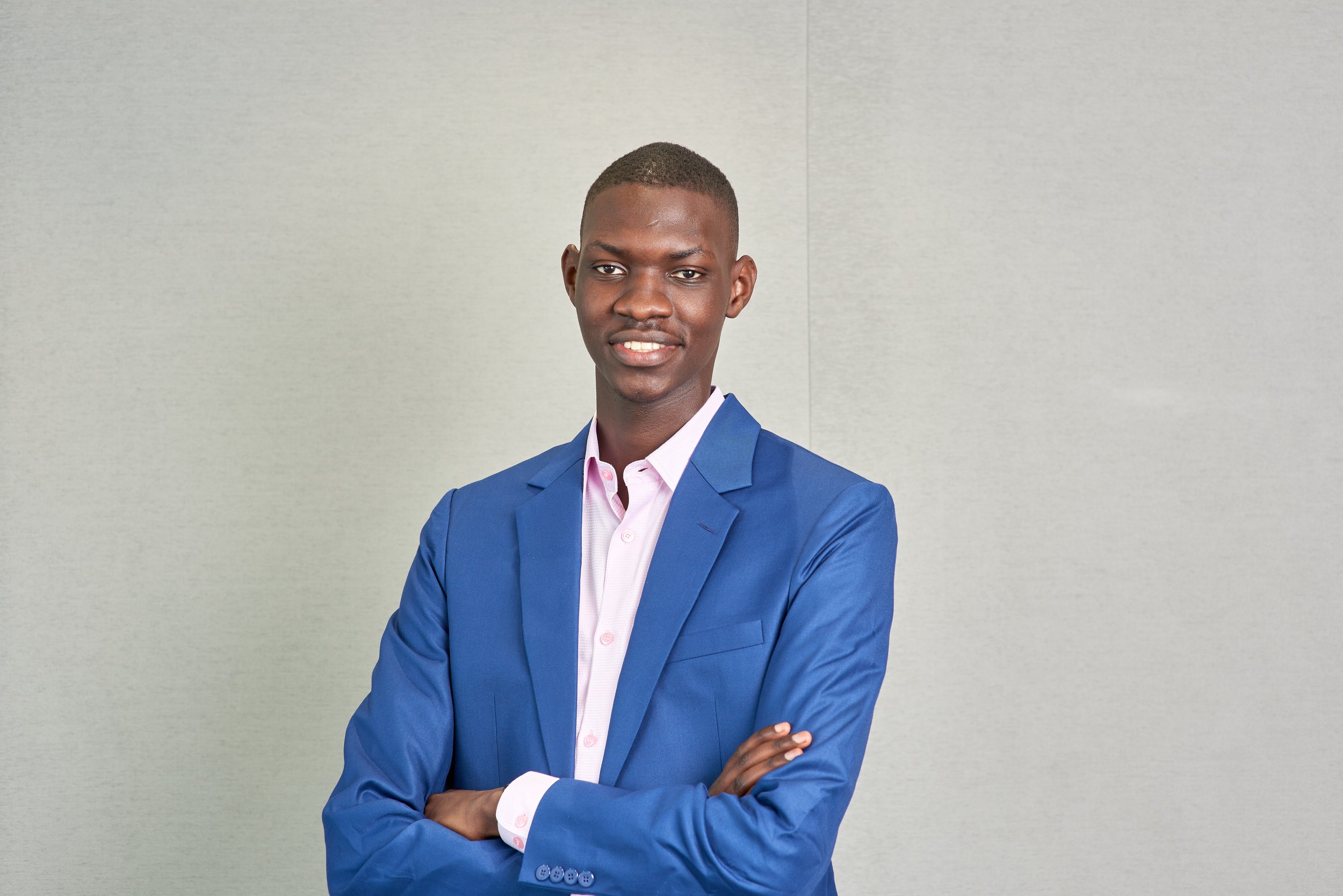
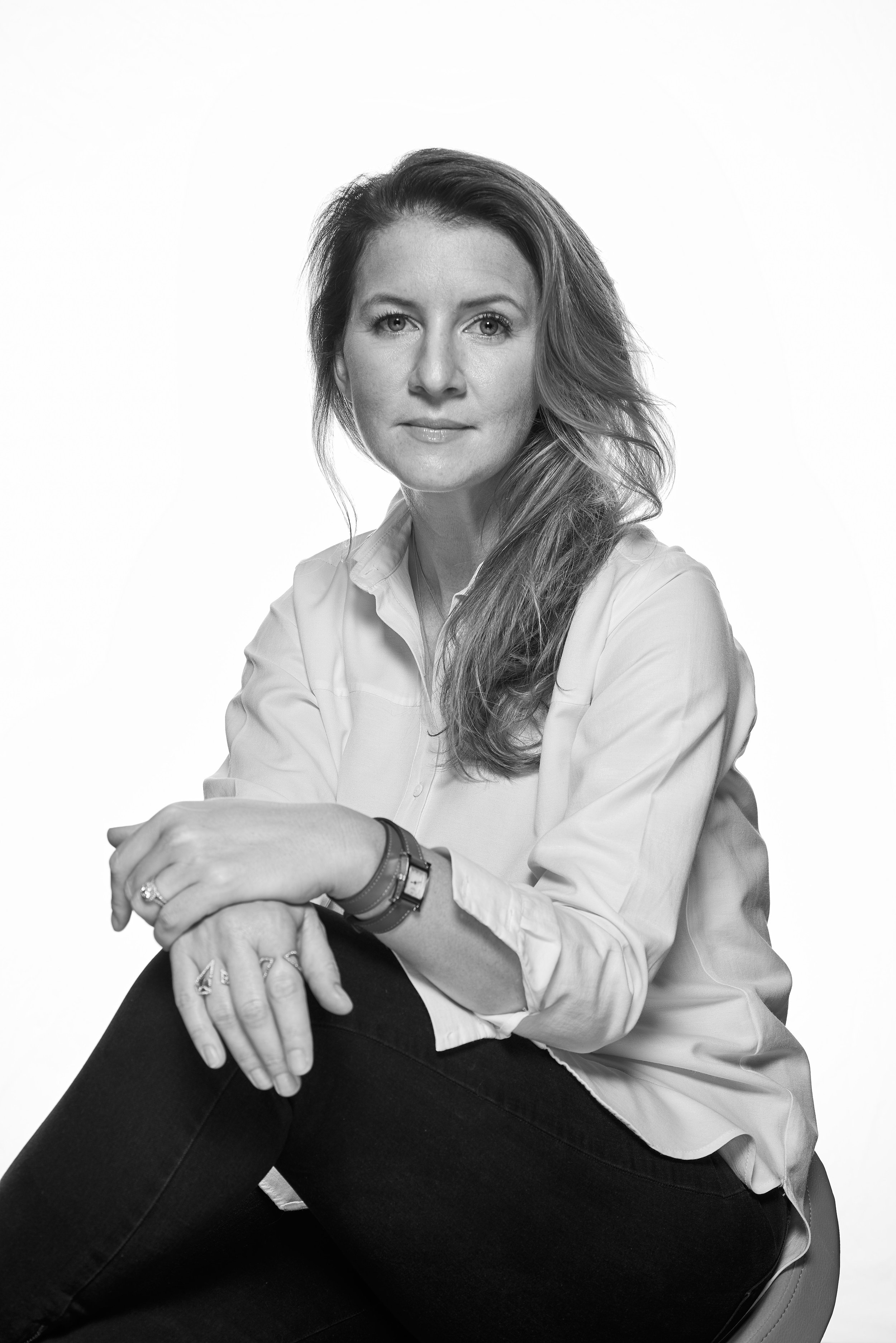

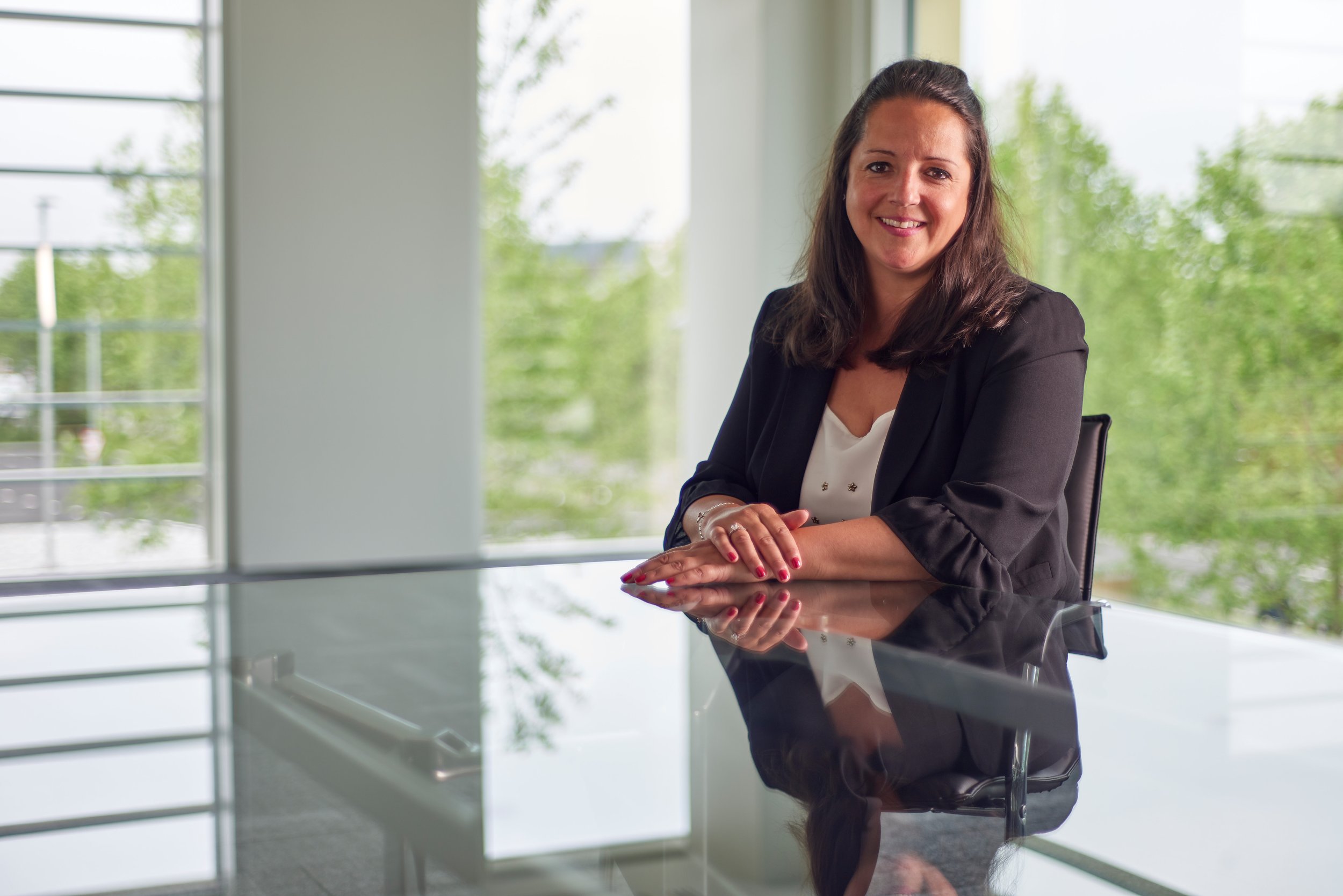
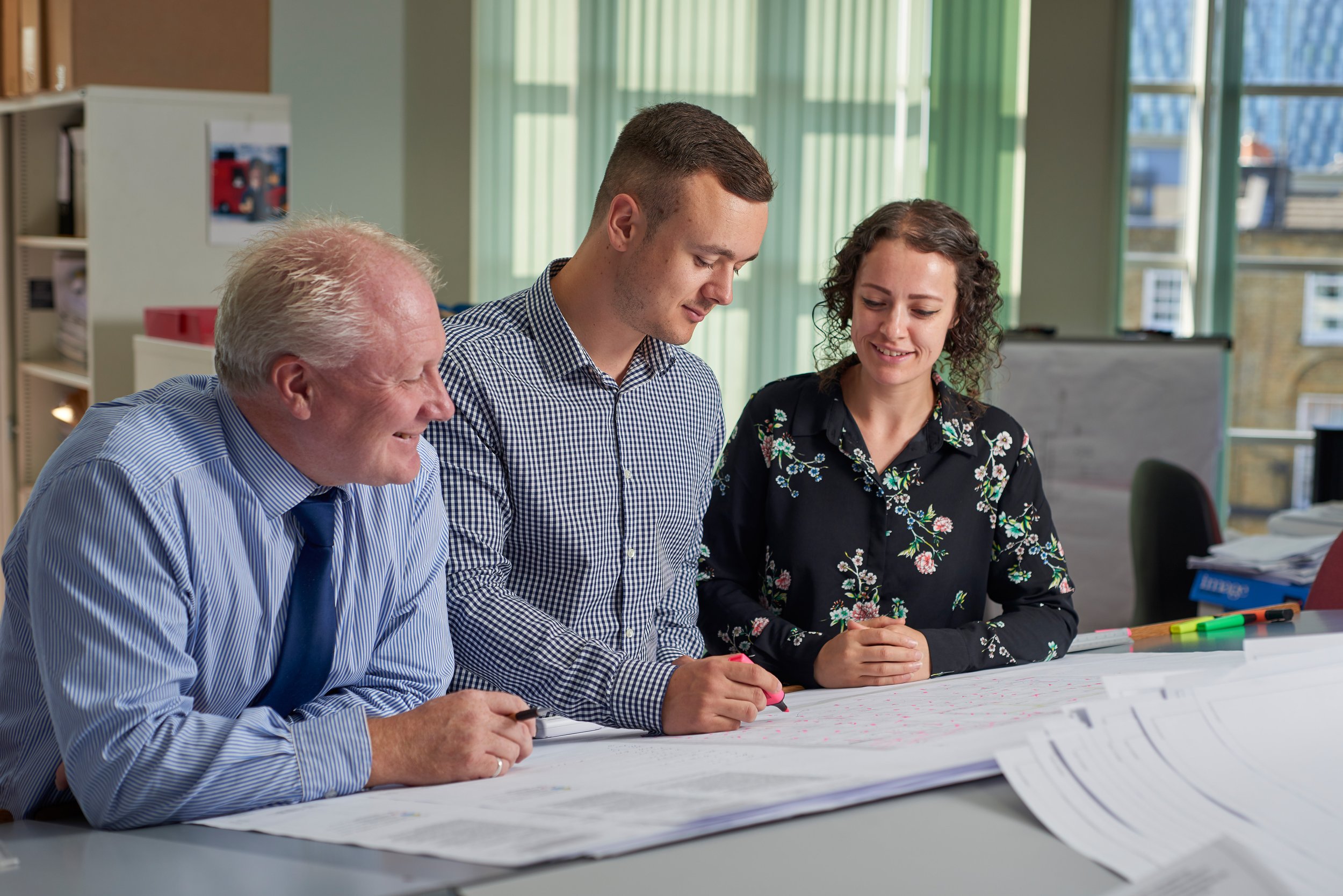
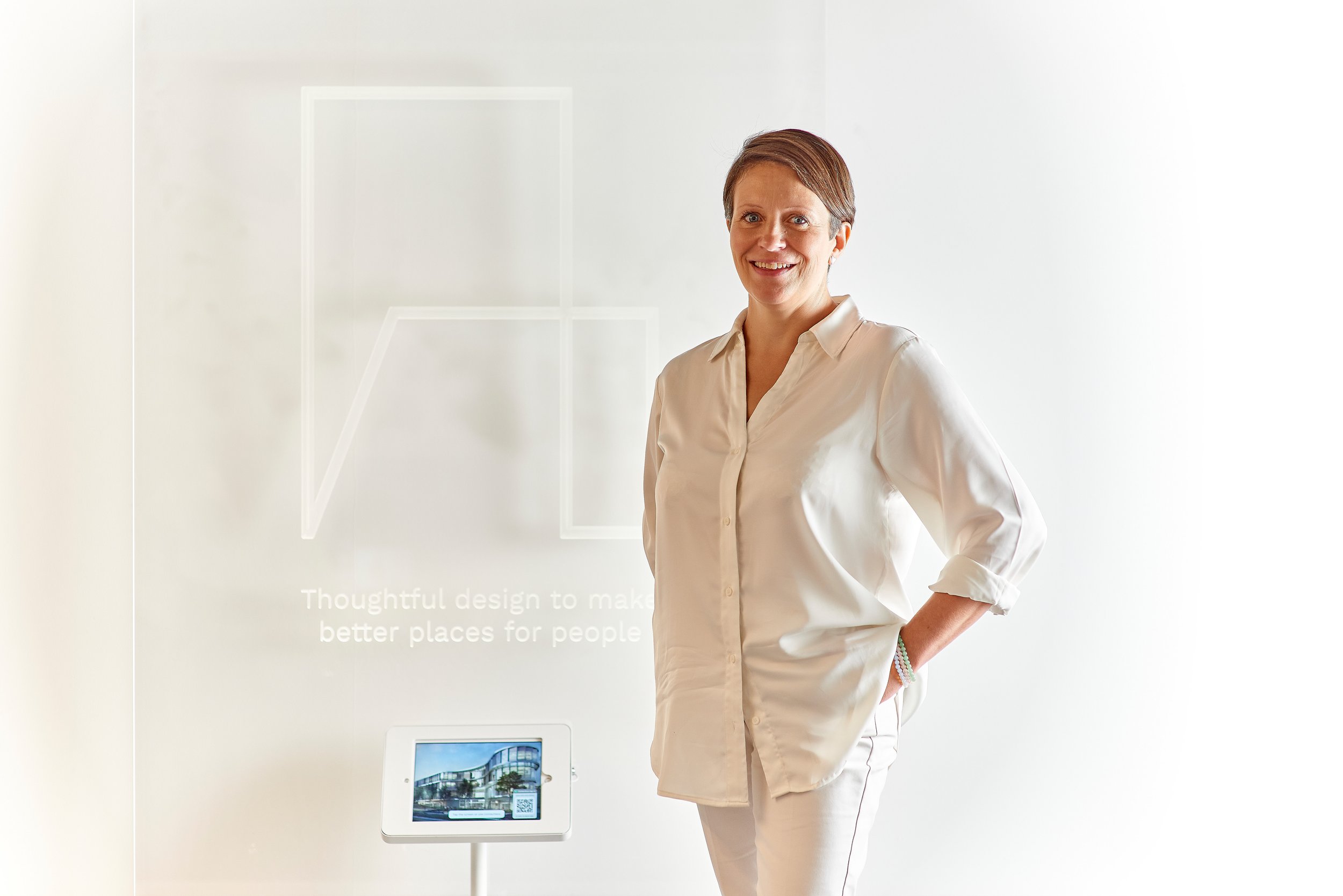
Faunart
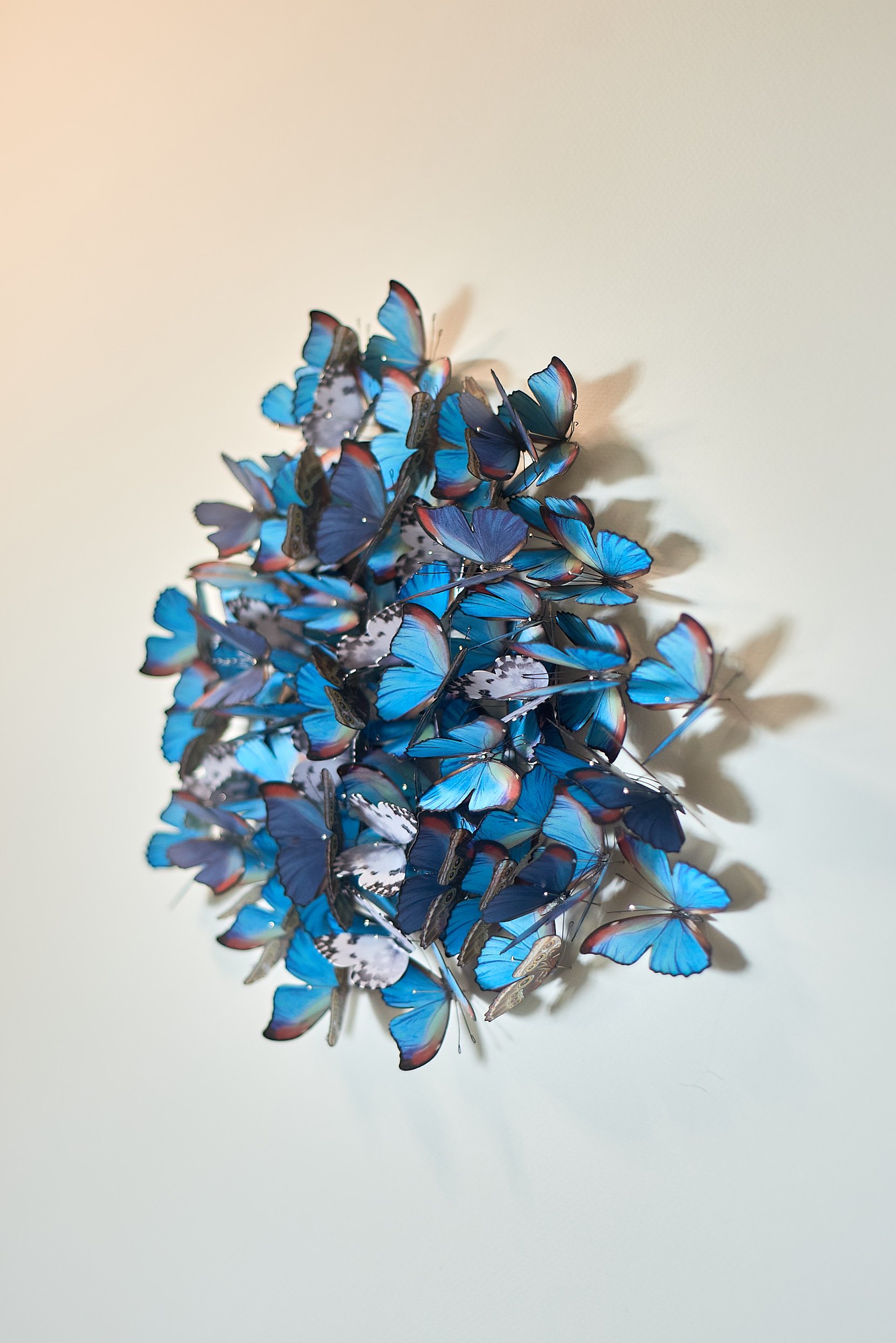
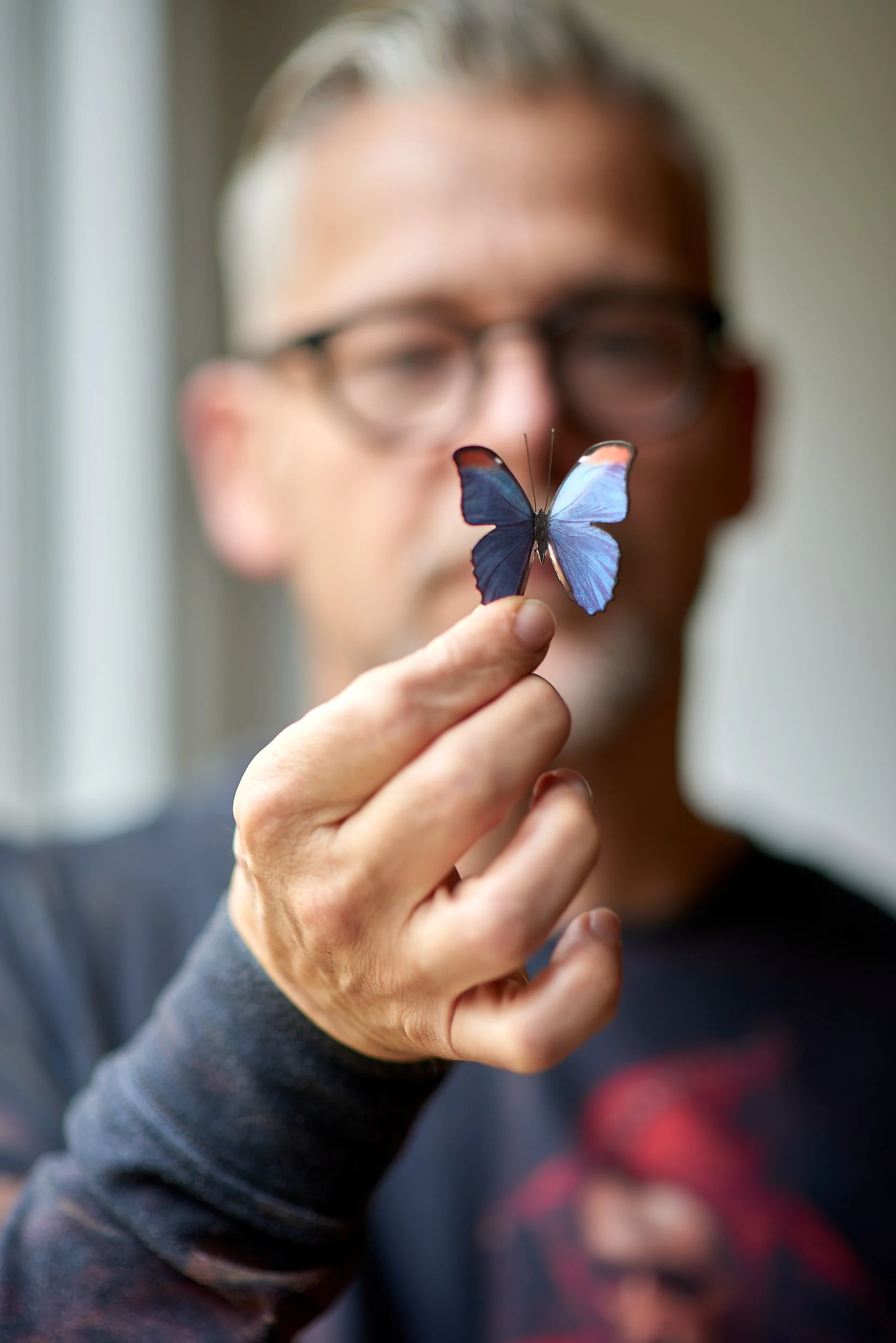
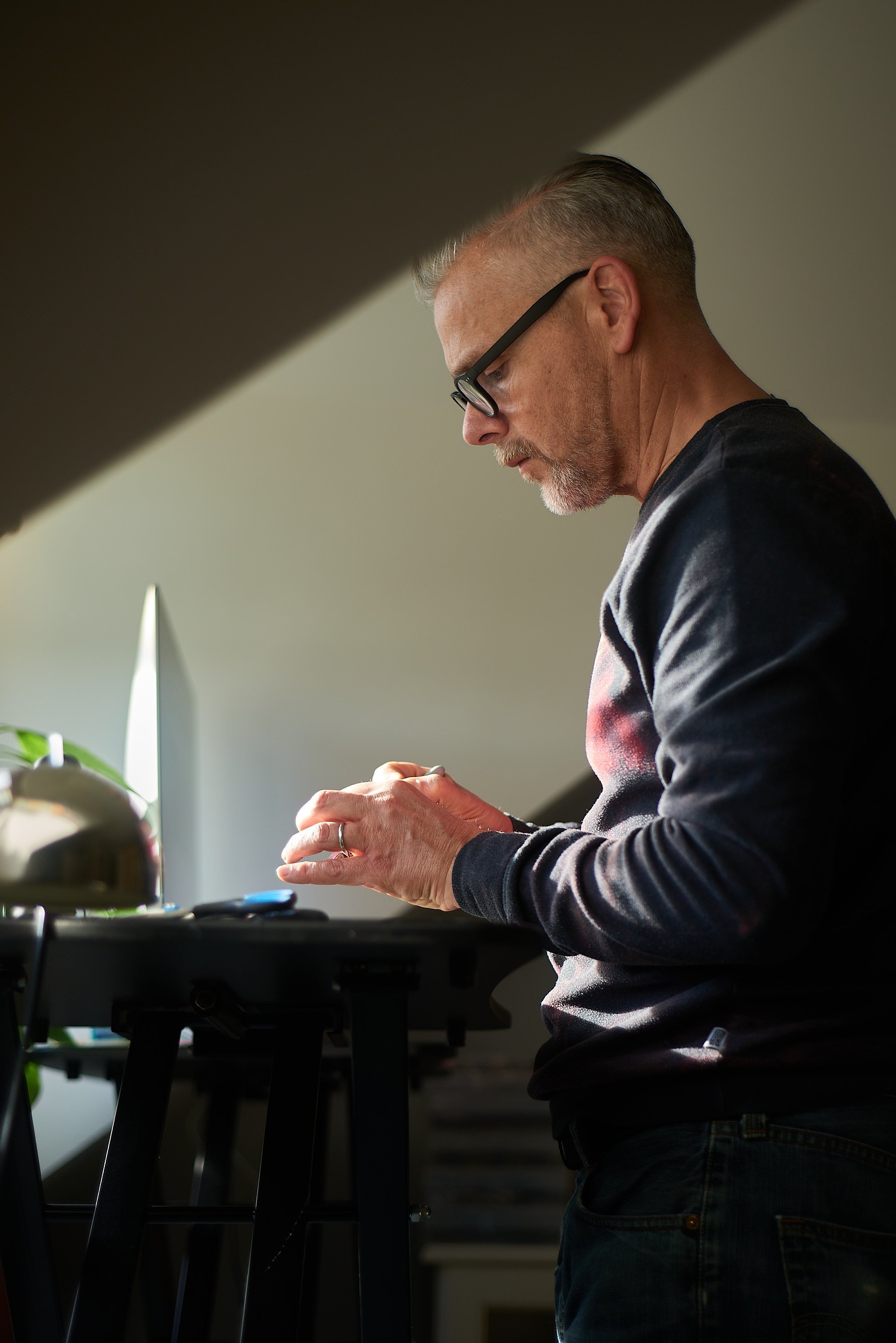
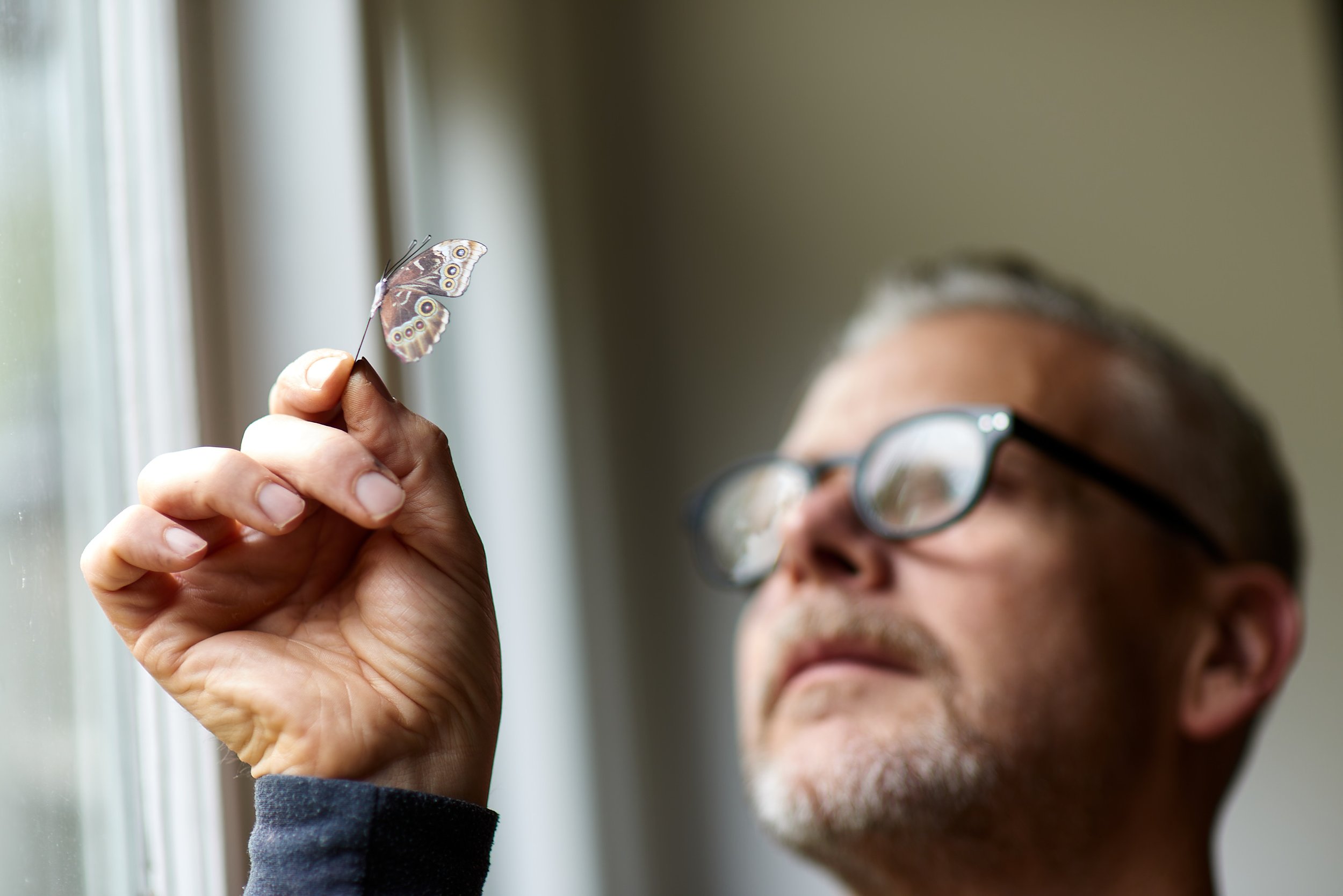
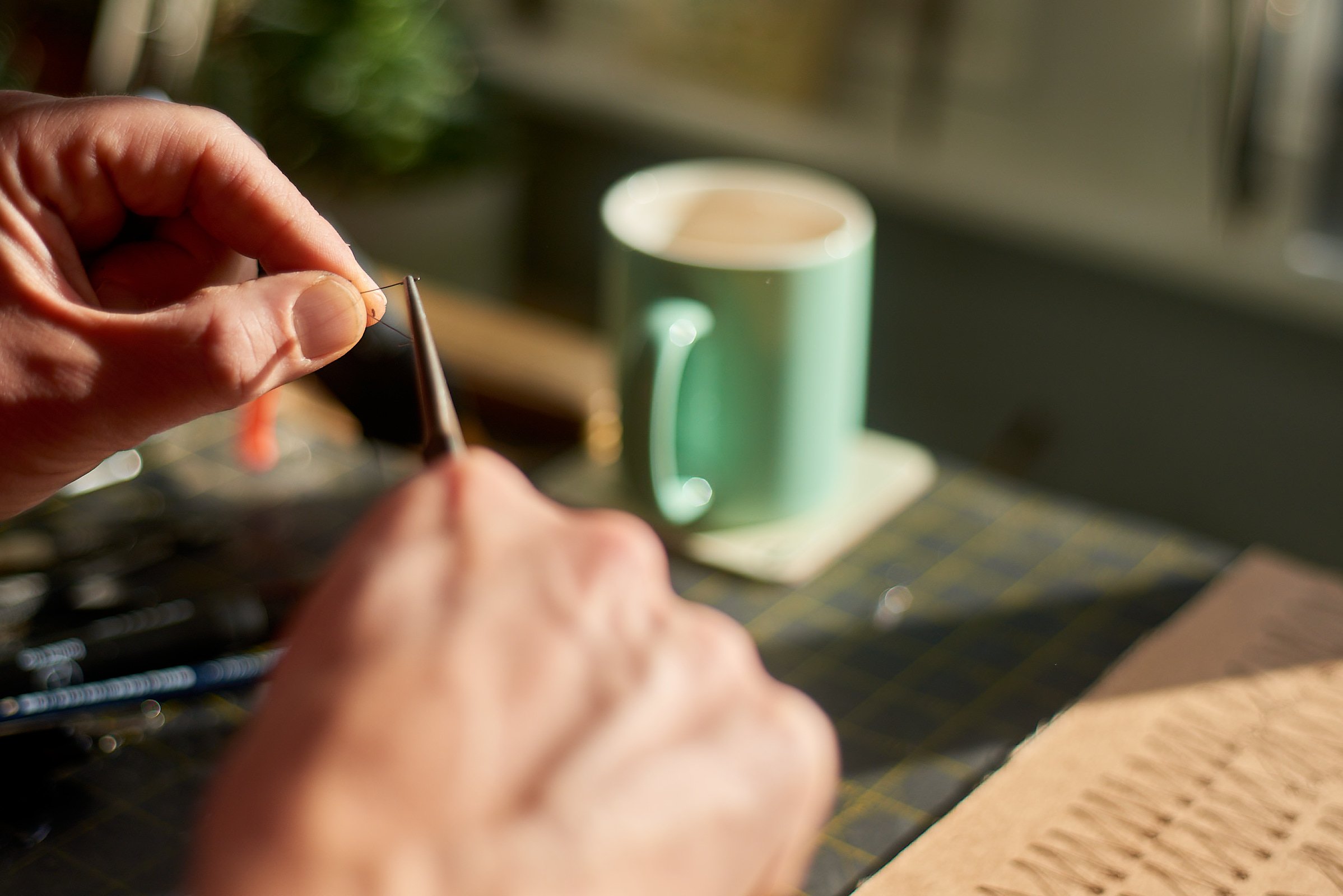
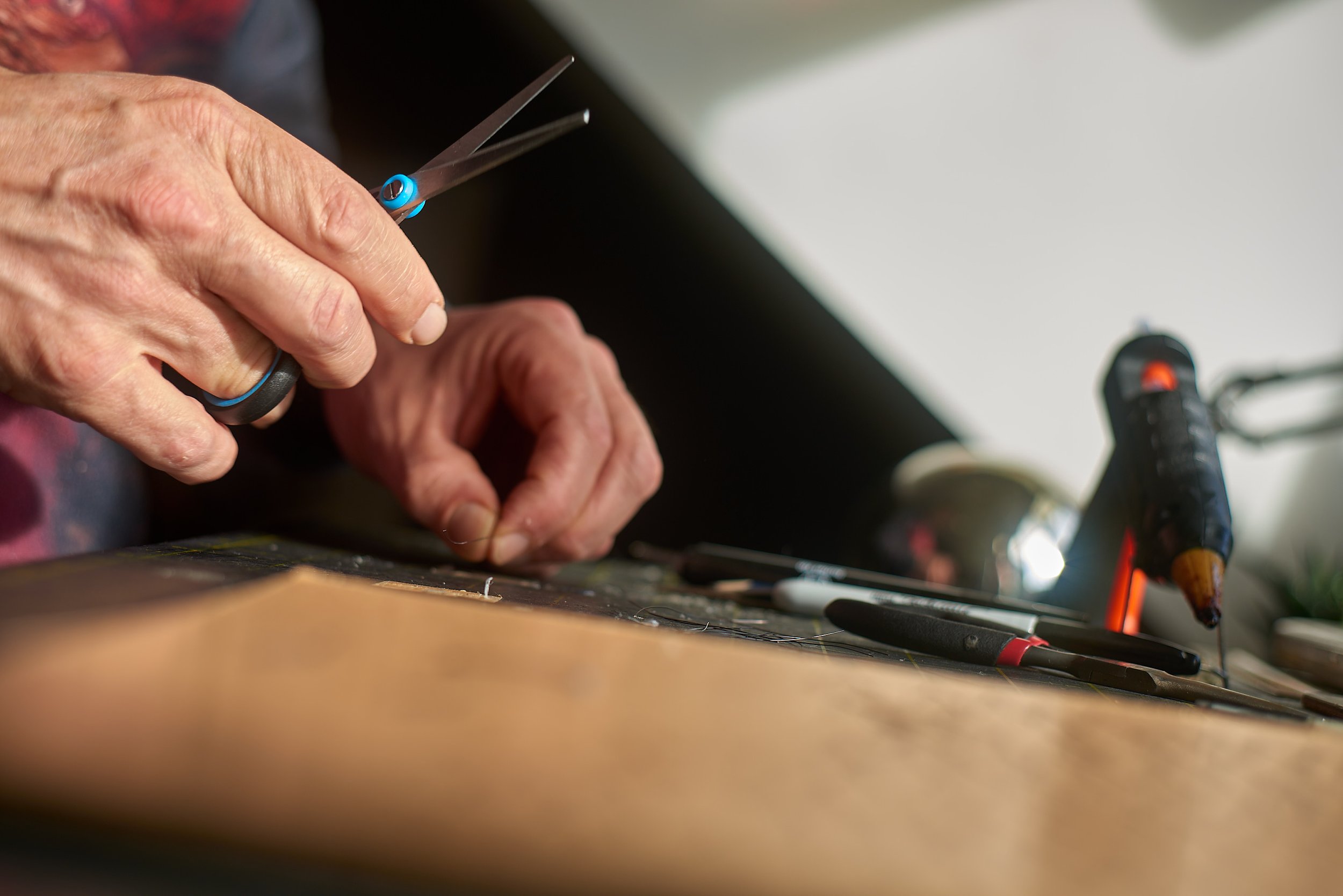
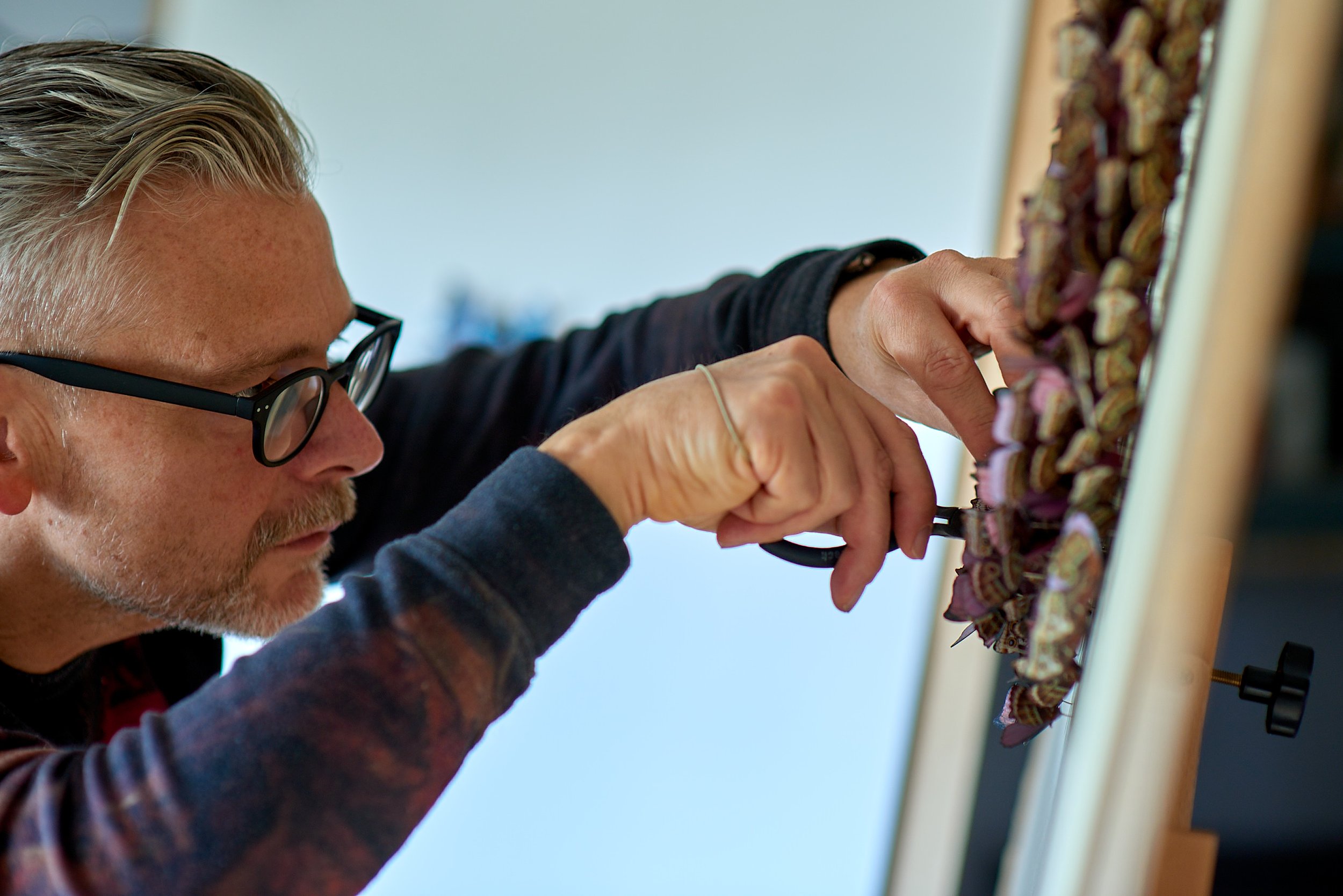
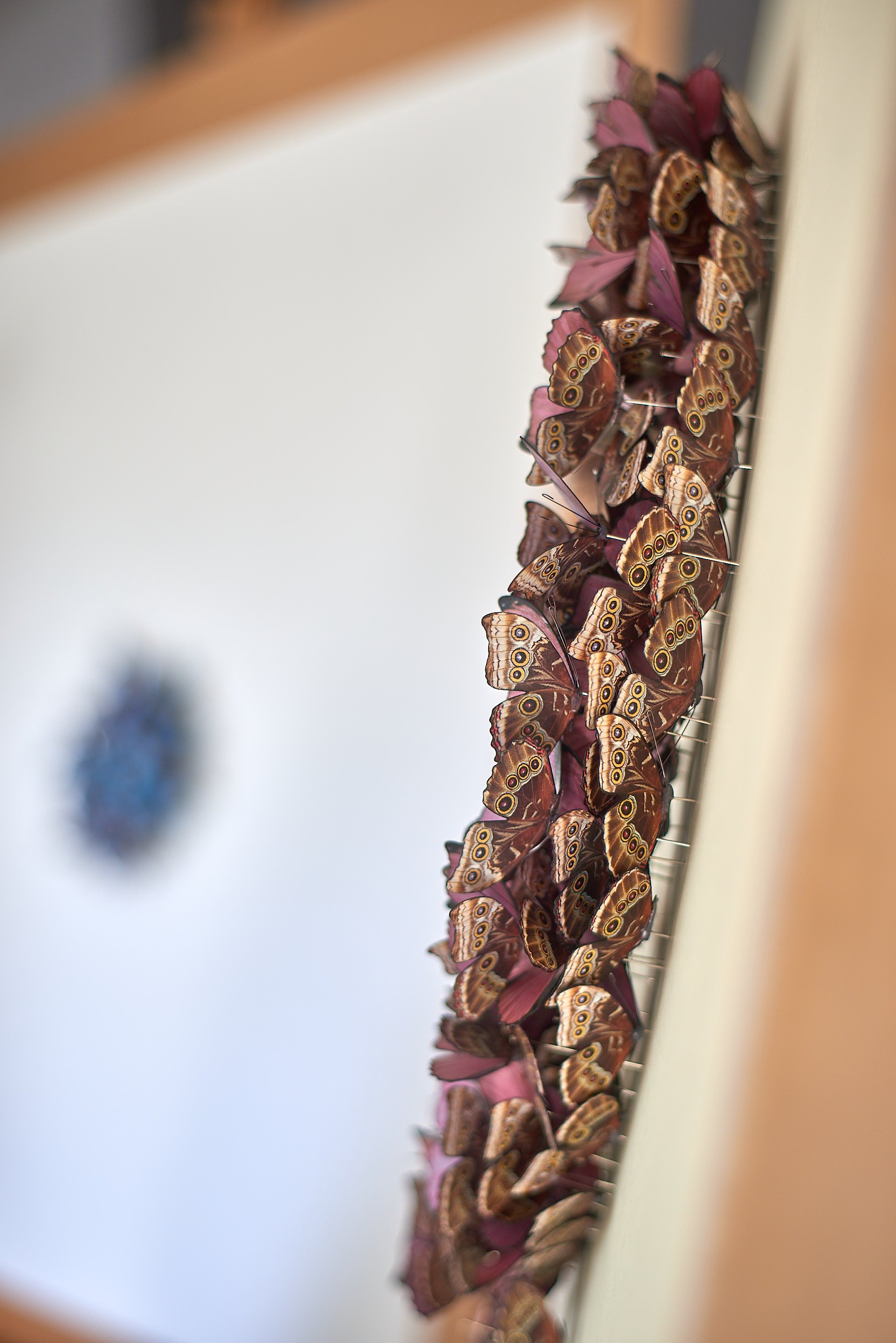
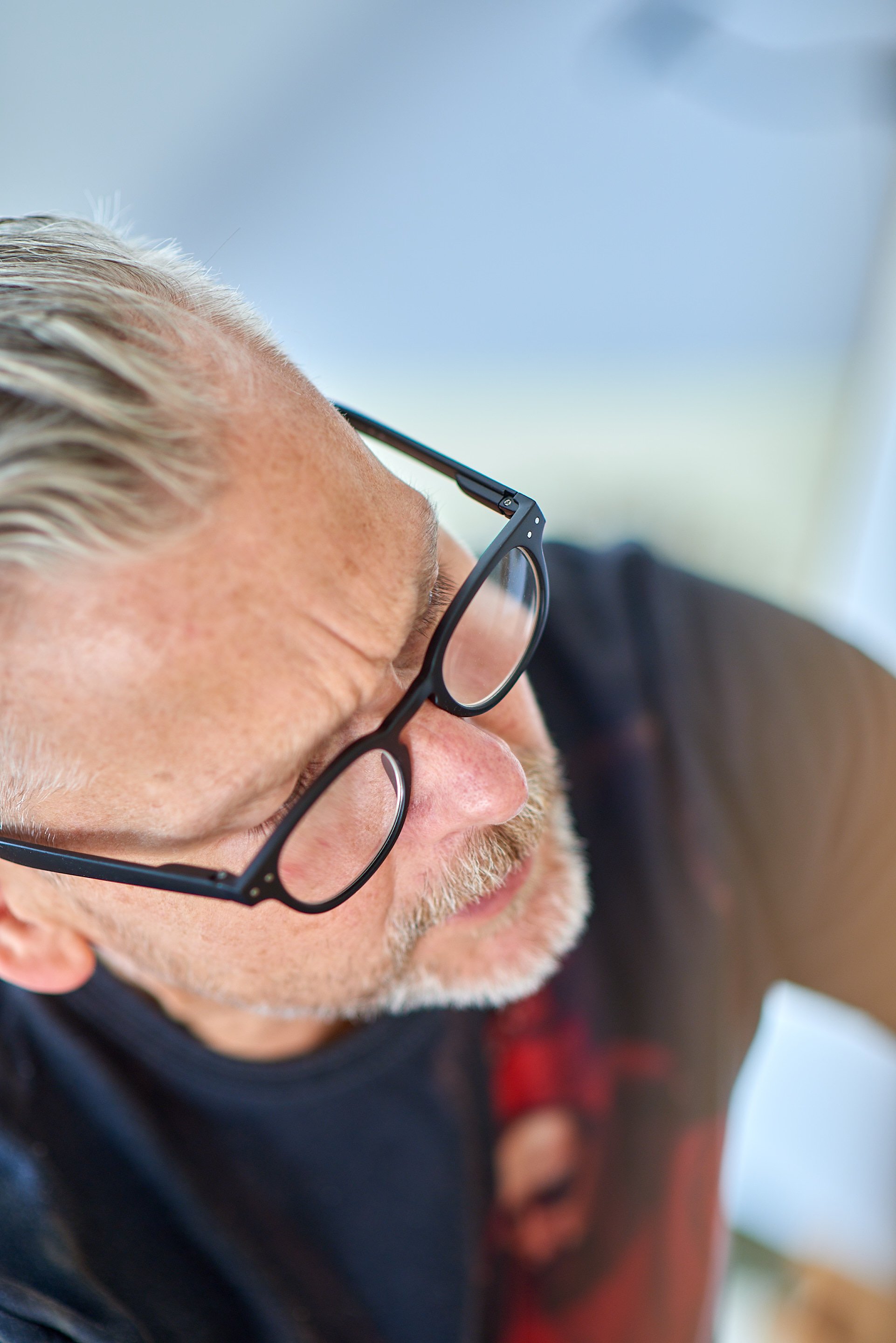
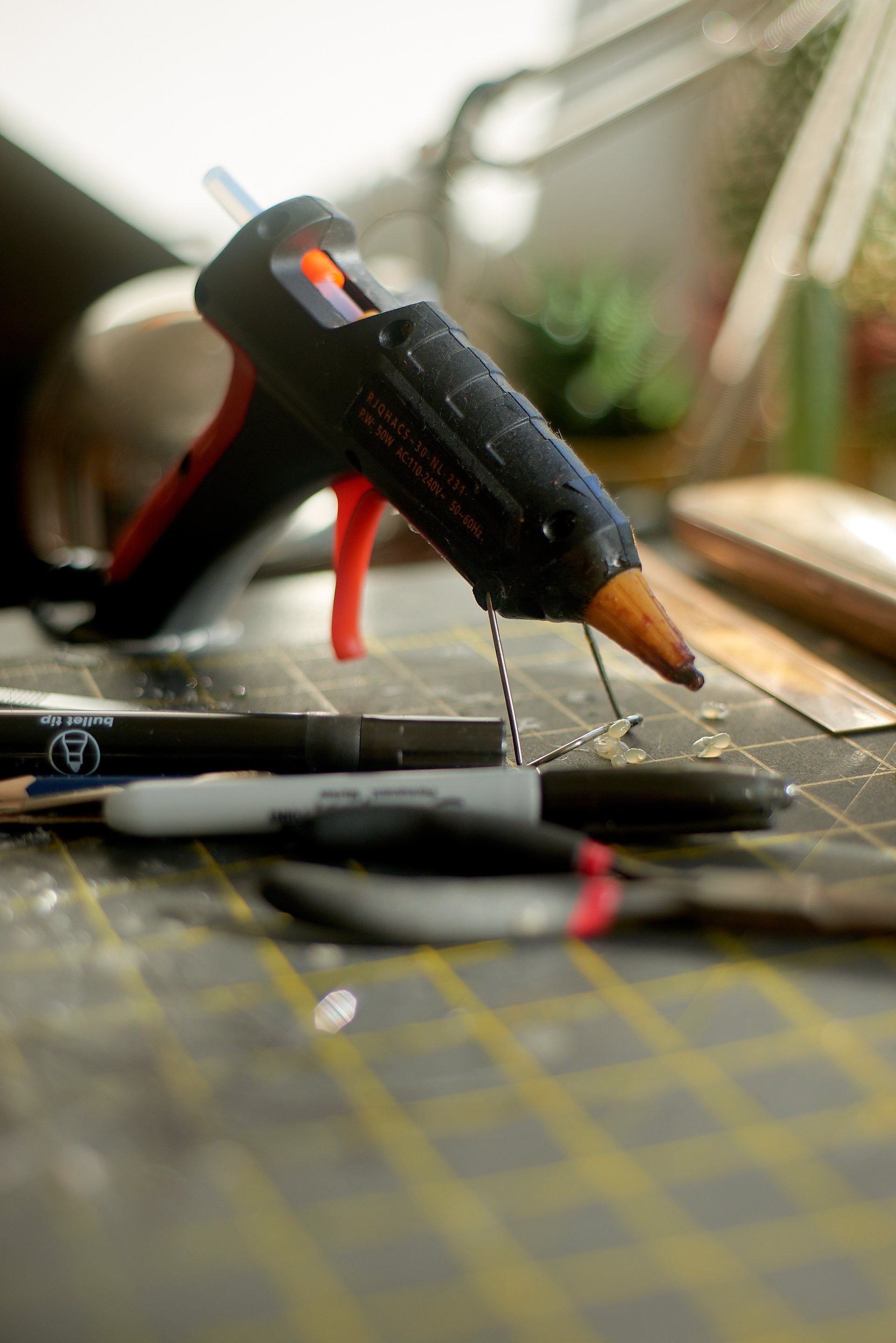
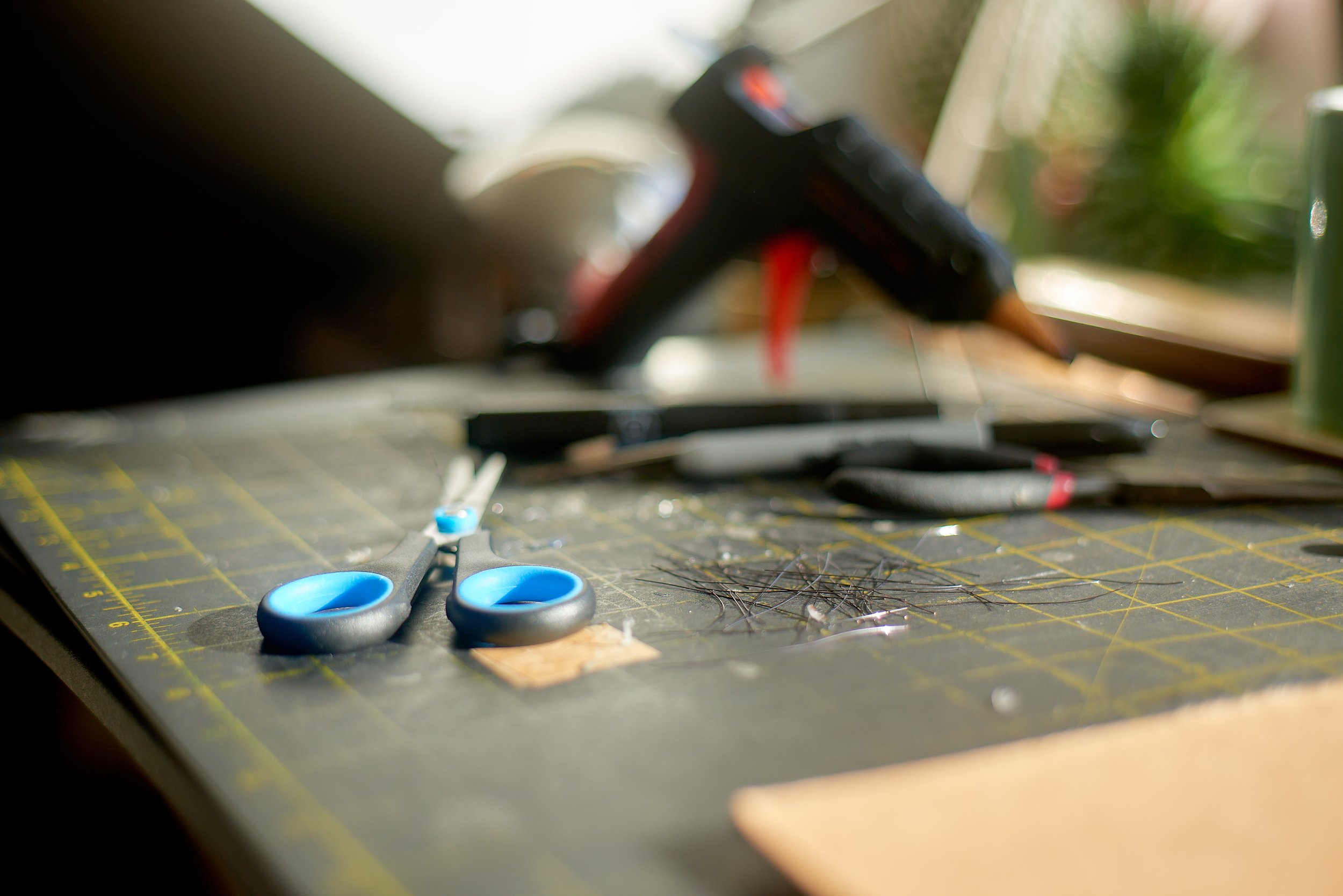
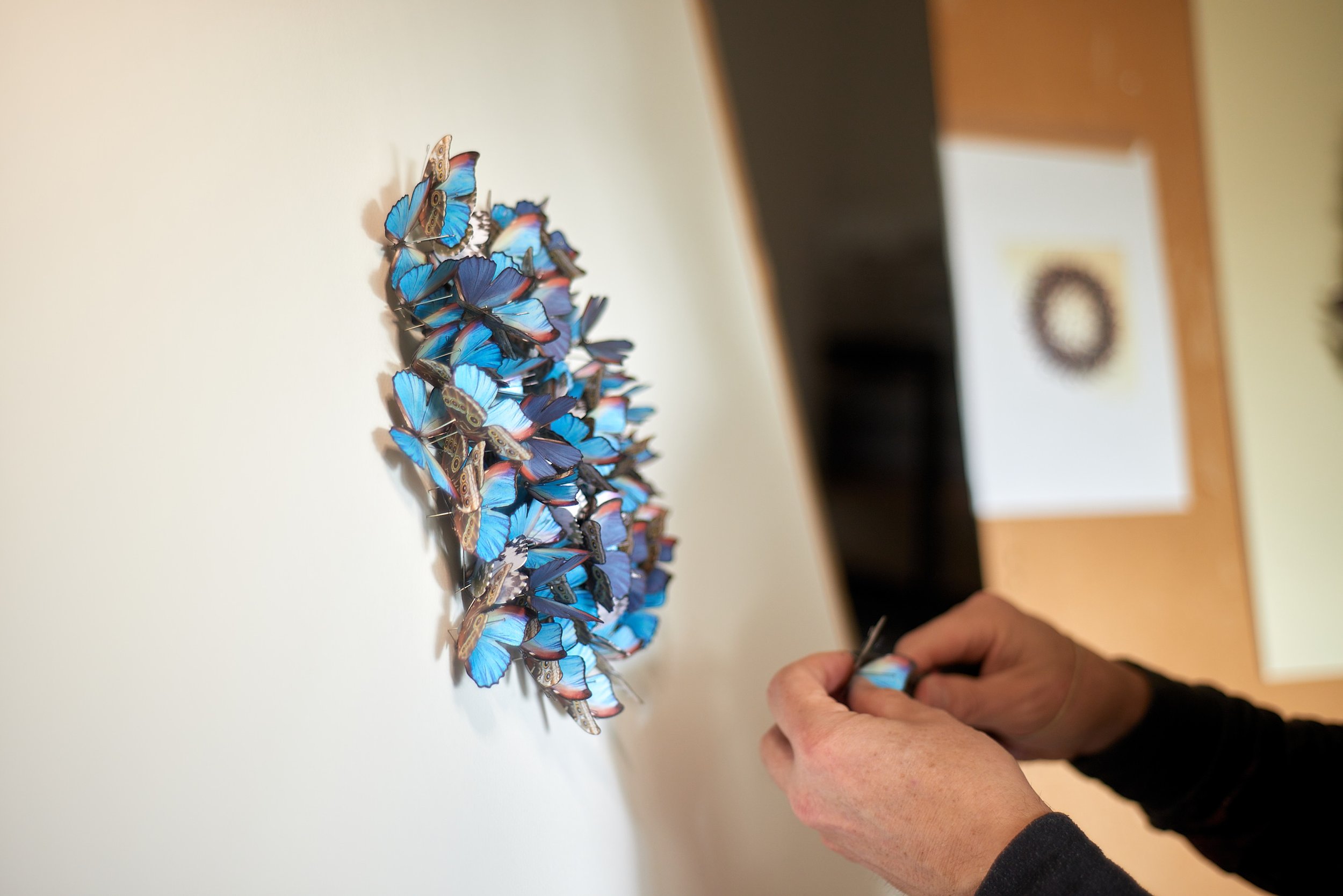
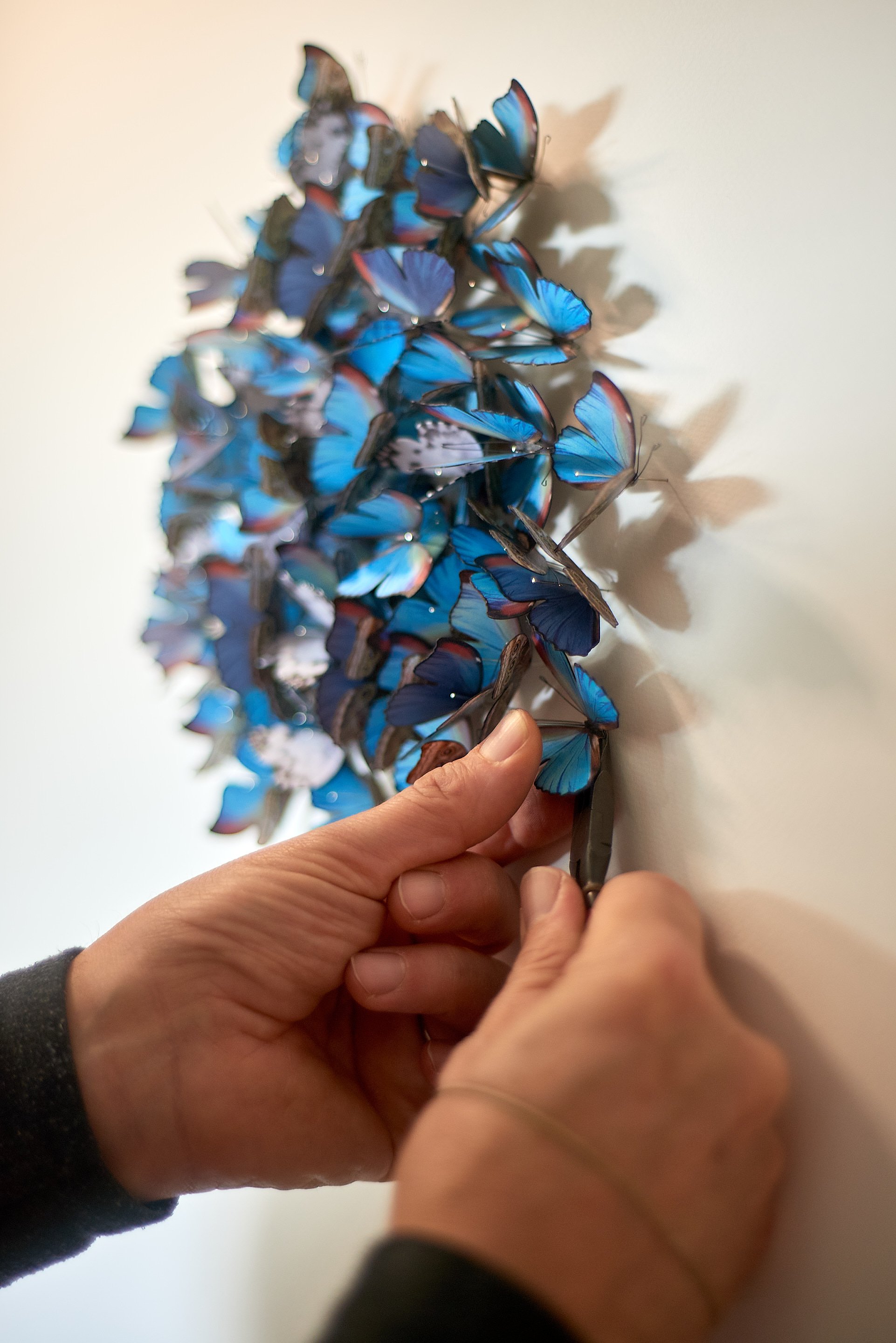
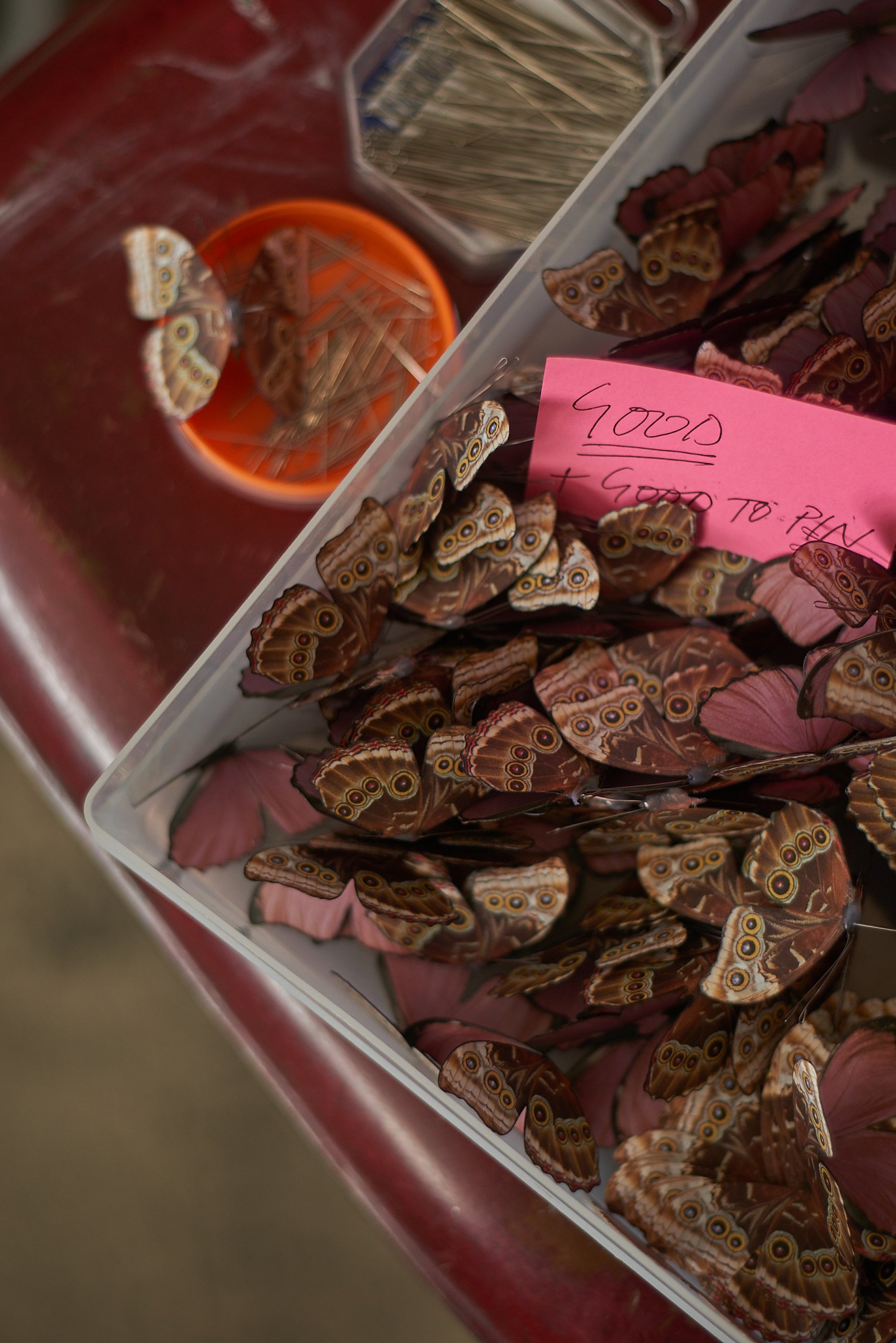
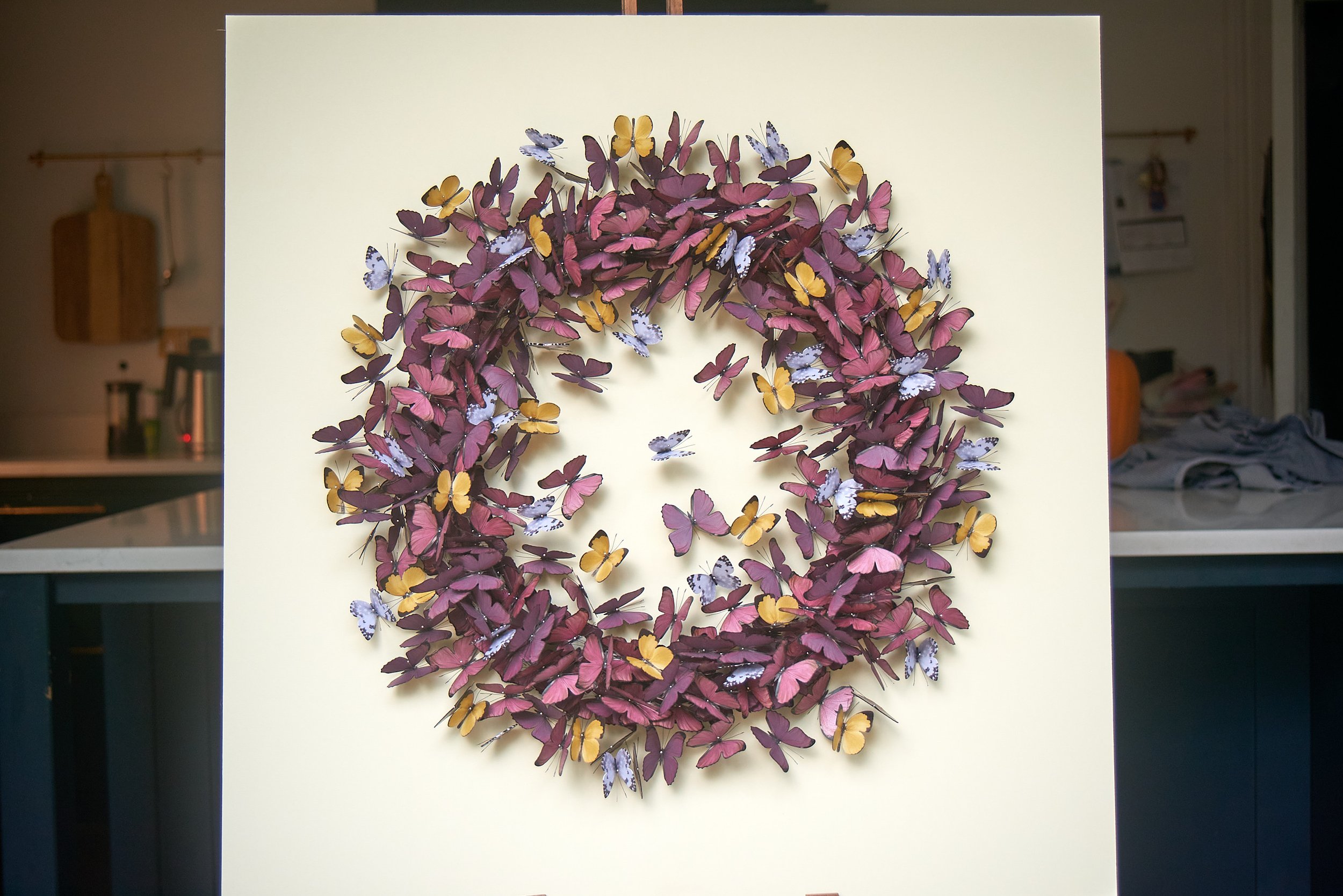
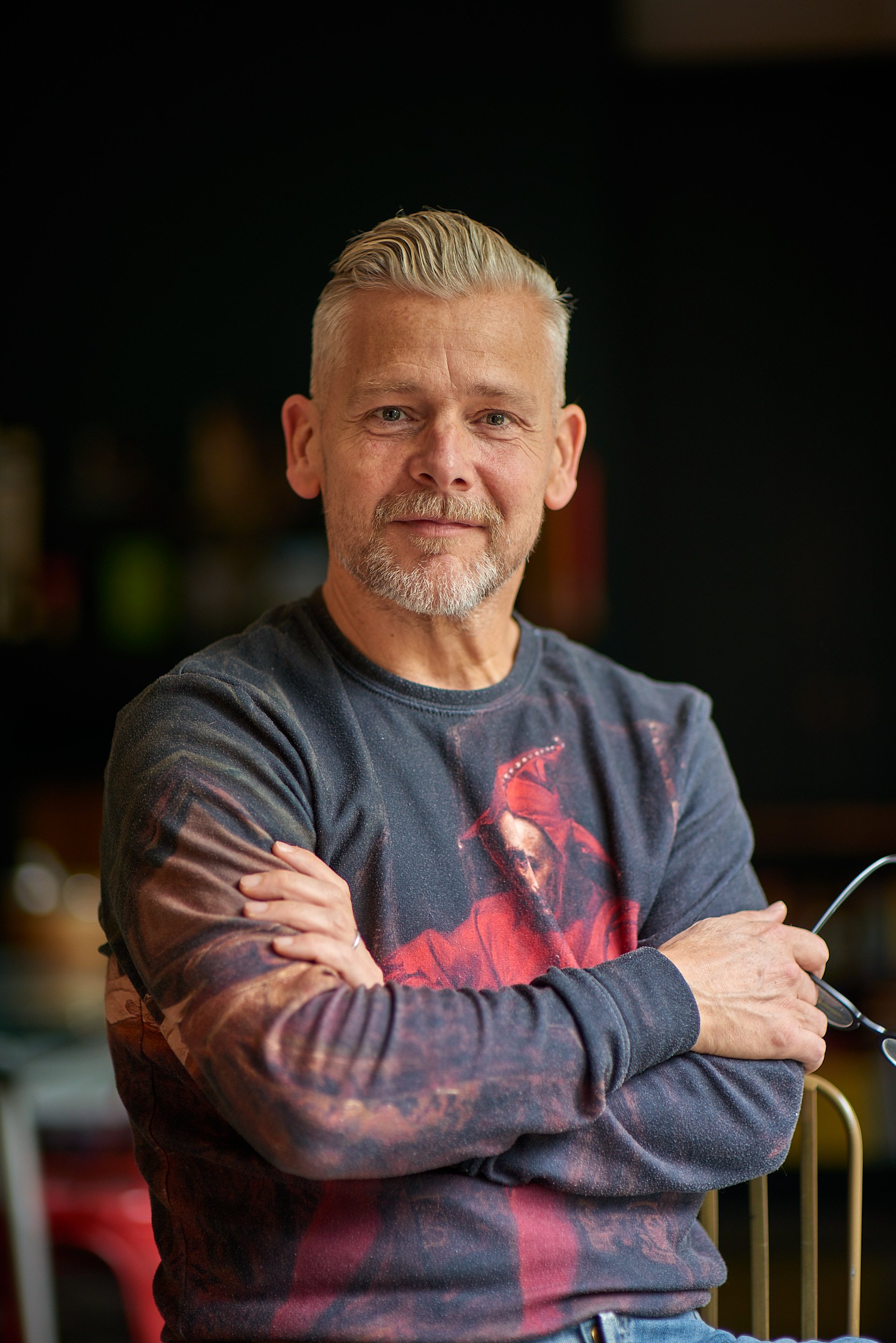
I recently had the pleasure of photographing highly acclaimed contemporary artist Daniel Byrne on location at his studio in London, while he was working on a new commission for a major London Hotel.
Daniel creates beautiful large and small scale artwork under the name Faunart, which focus on the interplay of order and chaos found in nature. His work portrays the seemingly random movement of nature seen in the patterns of large groups of animals like birds, fish or butterflies and presents that in familiar forms, whether circular as with the butterflies in these works or in the sweeping curves of a shoal of barracuda or a murmuration of starlings as depicted in some of his other pieces.
"I got Steve in to take some shots to use to promote my work as an artist as well as capture some high definition shots of the artwork itself too. Steve’s natural warmth and professionalism immediately put me at ease, allowing me to relax and focus on my everyday production process whilst Steve melted away into the background capturing me in my flow state unhindered. His magic as a photographer is yes, all the expert photographic skills but more so capturing the essence of and spirit of my creative process. I loved loved loved the shots!"




Housing crisis




There are currently estimated to be 320,000 people in Britain recorded as homeless according to a report released in November 2018 by the housing charity Shelter, an estimate which by their own admission is conservative. Shelter works not only with providing support to rough sleepers but also offers advice, support and legal services to people who are struggling with unsuitable accommodation and bad housing, as well as campaigning to end homelessness altogether.
Their latest report on the housing crisis in the UK shows an increase of 4% on the 2017 figures. That’s equivalent to an additional 36 people being made homeless every day.
Many people think of homelessness simply as people sleeping rough on the streets. Attitudes are often accompanied by assumptions about begging, mental illness, substance abuse, or even that people deliberately choose to live on the streets.
What people don’t generally associate with homelessness are the less obviously noticeable issues caused by bad and inadequate housing, especially in major urban areas like London, where the housing crisis is at its worst. Barely affordable rental prices, coupled with cuts in welfare and a refusal by many private landlords to accept tenants claiming housing benefit have forced many working people, including families with young children in to temporary accommodation. Temporary accommodation which is often unsuitable and ends up being long term.
The fact is, anyone can become homeless and it’s not just an issue that affects the most marginalised in society.
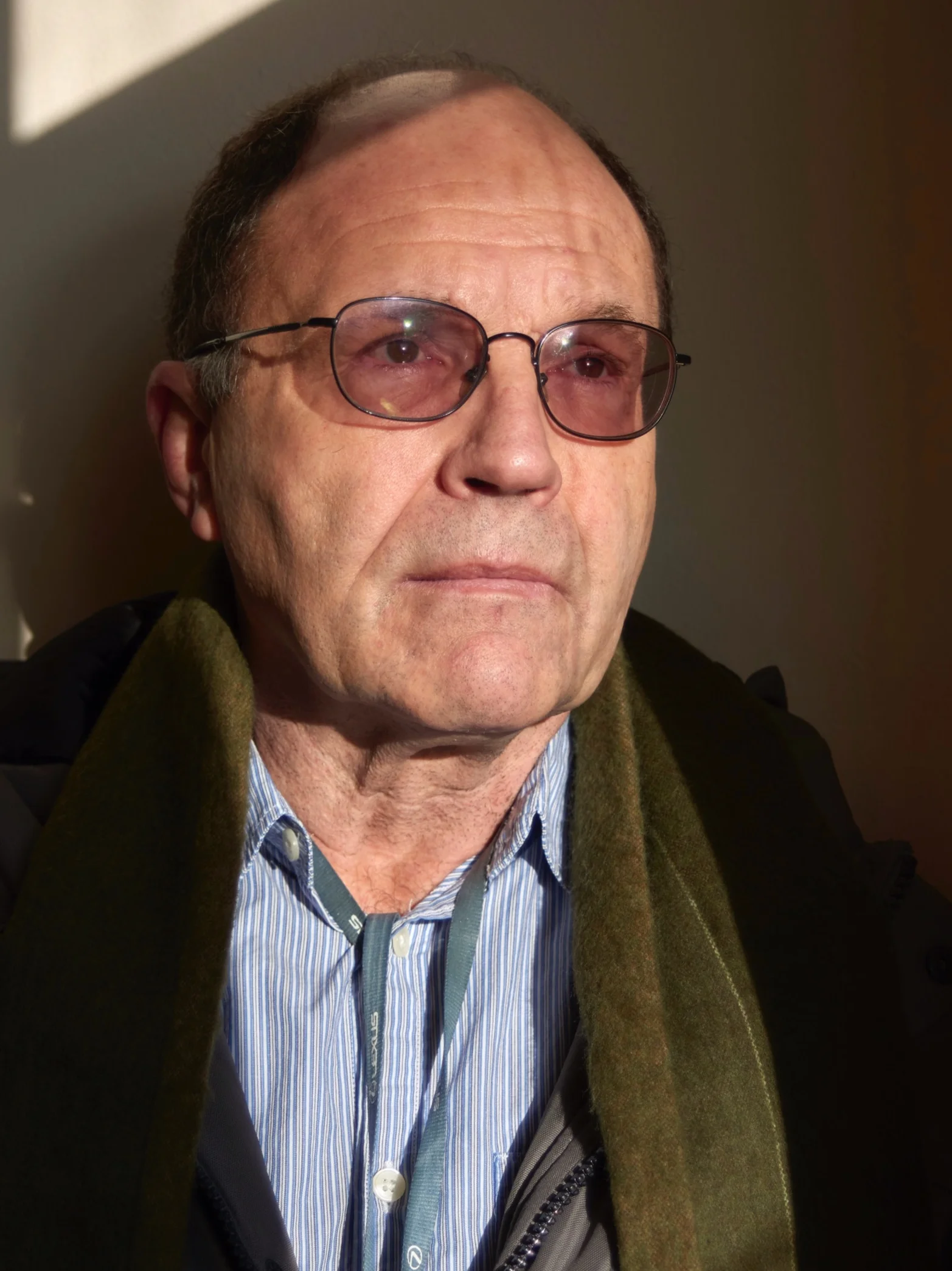
Over the last couple of months I’ve been working with Shelter to photograph people all over the UK who have been affected in one way or another by issues surrounding housing and homelessness. The people I’ve met all had their own stories to tell and have been affected by circumstances which could affect anyone at any time. I met a family with five children living in two rooms in a Travel Lodge. I met single parents living with their children in single rooms. Single parent families facing eviction from the hostel rooms they were living in, facing the prospect of rough sleeping. I met a family with two children who’d slept rough for one night, now living in a single room. A wheelchair user housed by the council in accommodation with too many stairs and no disabled access. These were all people who’d had jobs and stability but whose circumstances had forced them into their current predicaments.
The portraits could be of anyone in your daily life, your neighbours, friends, colleagues, your family. The faces are those of normal, everyday people, like you and me. They’re not incoherent, drunken beggars, they’re people with ordinary lives, with jobs, with families, with dignity.
However, when the media report the issues highlighted by Shelter’s report, they largely rely on lazy stereotypes of homelessness to illustrate the story, preferring to show stock images of anonymous rough sleepers or their tents, instead of the real faces of the people who are affected by this crisis. Perhaps this reflects the difficulty people have in putting a human face to the issue - of empathising with people affected by homelessness. Perhaps it’s easier to dismiss people as anonymous strangers, instead of recognising them as individuals. Among the few media outlets covering the report which didn’t simply use stock imagery were the BBC and the London Evening Standard who actually linked the story to real people. Most others, even the Guardian and the New York Times chose to ignore the personal angle and stuck to statistics, government policy and quotes from politicians and ministers, keeping the personal realities very much at a distance.
This gallery shows some of those people I photographed for Shelter. The point I’m trying to make is that there are real people behind the statistics. Real stories and lives that are affected and they deserve to be acknowledged, not simply reduced to a statistic.

Tube People
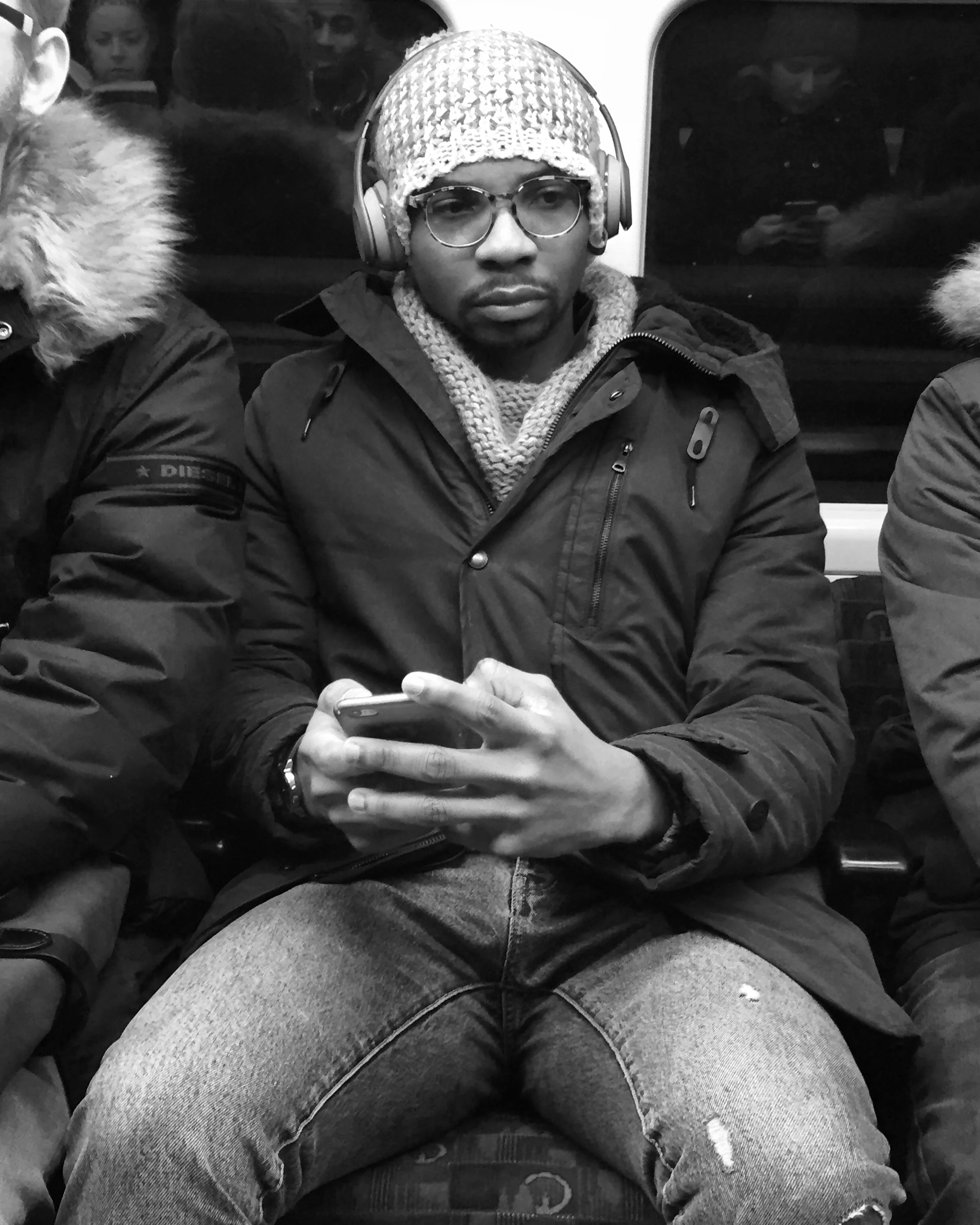
About a year ago I was on the underground and my attention was drawn to the man sitting opposite me. He was totally absorbed in what he was doing on his mobile phone, and seemed completely oblivious to anything around him, including the man who had just entered the carriage and was now sitting directly opposite him. As a photographer and being interested in people I decided to take a portrait of him on my phone.
I didn’t ask permission as it would have fundamentally altered the situation and the moment I wanted to capture. I guess I’d probably have been refused anyway. There are of course those who would argue that I should have asked first, but I believe that street photography and candid portraits are an entirely legitimate form of photography. Unless those images are being used with a view to commercial gain or are associated with a particular political view or a product endorsement, photographing people in public spaces is a valid form of a photographer’s craft, a way of seeing the world and recording a particular slice of life.
That first image, the first one in this little series, led me to repeat the exercise on subsequent journeys and slowly developed in to a kind of personal project almost every time I’m on the tube.
The project is all shot on my iPhone - it’s the perfect camera to provide anonymity and that’s what I soon realised this project is all about. I quickly recognised that what I was doing was trying to explore the sense of anonymity in what is in effect a very intimate setting. Often it’s worth shooting with a gut feeling and then analysing the subconscious thinking behind the image later. Underground trains in London are shared public spaces where people retreat in to their own private spaces, mostly through electronic devices, where people rarely engage or connect with each other, often in very crowded carriages. We travel together for a short part of our journeys and barely notice the people around us, who they are or what they’re doing. That strikes me as quite a nice metaphor for life.
In some instances I’ve clearly been rumbled, but I’ve only once been challenged. I was asked if I knew the person I’d just photographed and when I tried to explain the project I was cut short. I respected the person’s objection and deleted the image.




Cuban Rap

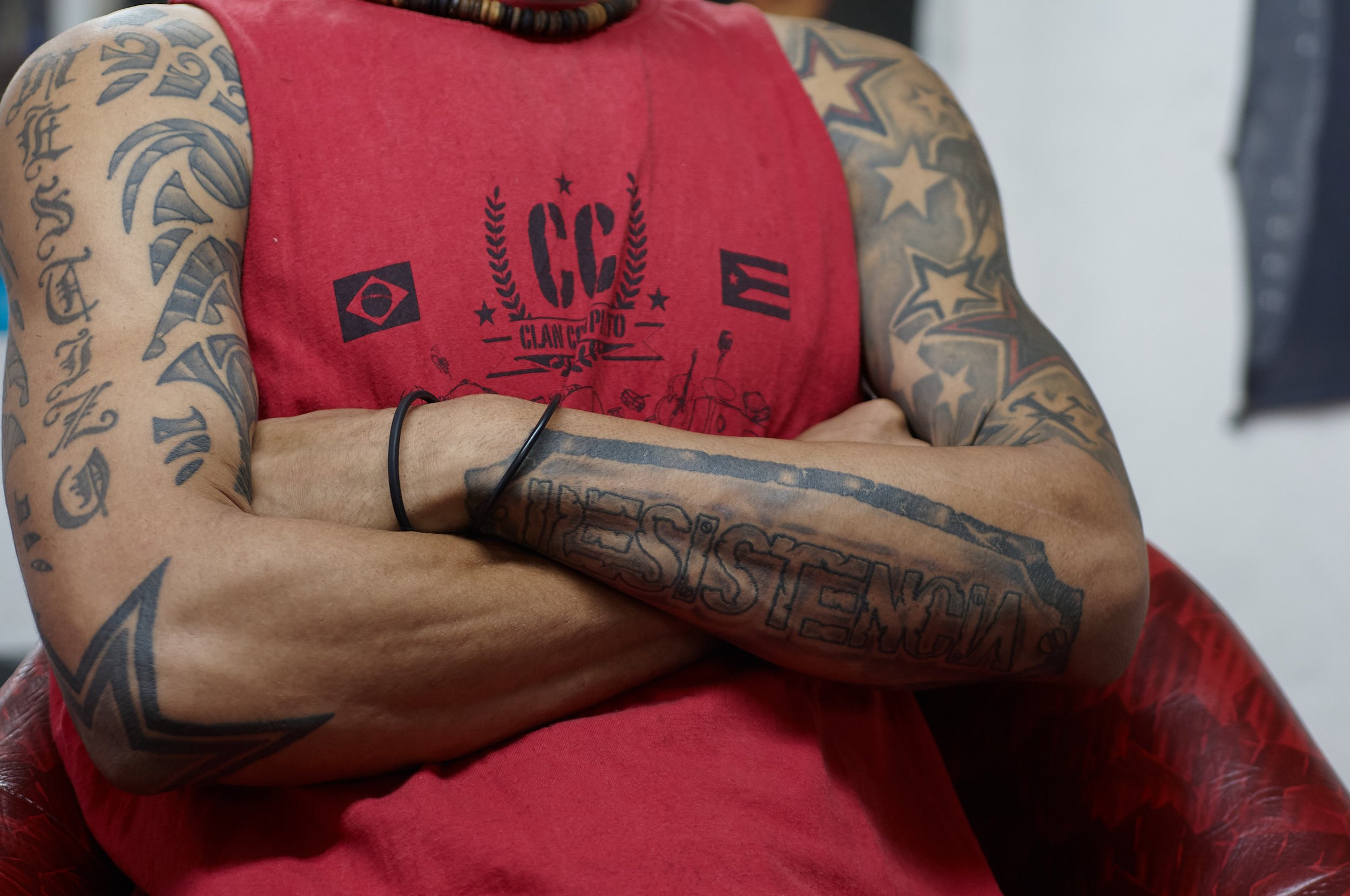
Towards the end of 2014 United States President Obama announced that America would restore full diplomatic relations with Cuba, more than 50 years after President Eisenhower imposed a trade embargo on Cuban exports during the cold war. What this means for the future of Cuba is uncertain, but it will no doubt mean that a big change is on its way.
Cuba and the US have had a long-standing love/hate relationship but in it's cultural heritage, especially through music, Cuba has managed to bridge any divisions and reach a truly international, even global audience.
When you think of Cuban music, you think of the wealth of fantastic talent that has come out of Cuba over the years - artists like Willie Colon, Celia Cruz, Irakere and Buena Vista Social Club. Nowadays, there is a big Reggaeton scene in Cuba (as there is elsewhere in Latin America) but what many people don't associate with the island is a flourishing Rap and Hip Hop scene. Perhaps typical of Cuba, this American import has been enthusiastically adopted by Cubans and is steadily increasing in popularity. In 2002 the Cuban government recognised the significance of the Rap music scene and even provided a degree of endorsement through a Ministry of Culture sponsored record label to promote local artists.
However, not all Cuban Rap artists are so enthusiastic about what they see as the State sponsored, somewhat sanitised version of their art form. Alongside the officially recognised Rap scene there exists a slightly more subversive, slightly more critical scene. Ironically, a lot of the artists aren't anti Castro or anti communist, but simply critical of the state and its methods of control.
Some years ago I travelled to Cuba with Zoë Murphy and we produced a picture slideshow for the BBC about the underground Rap Music scene.
Appleby Horse Fair
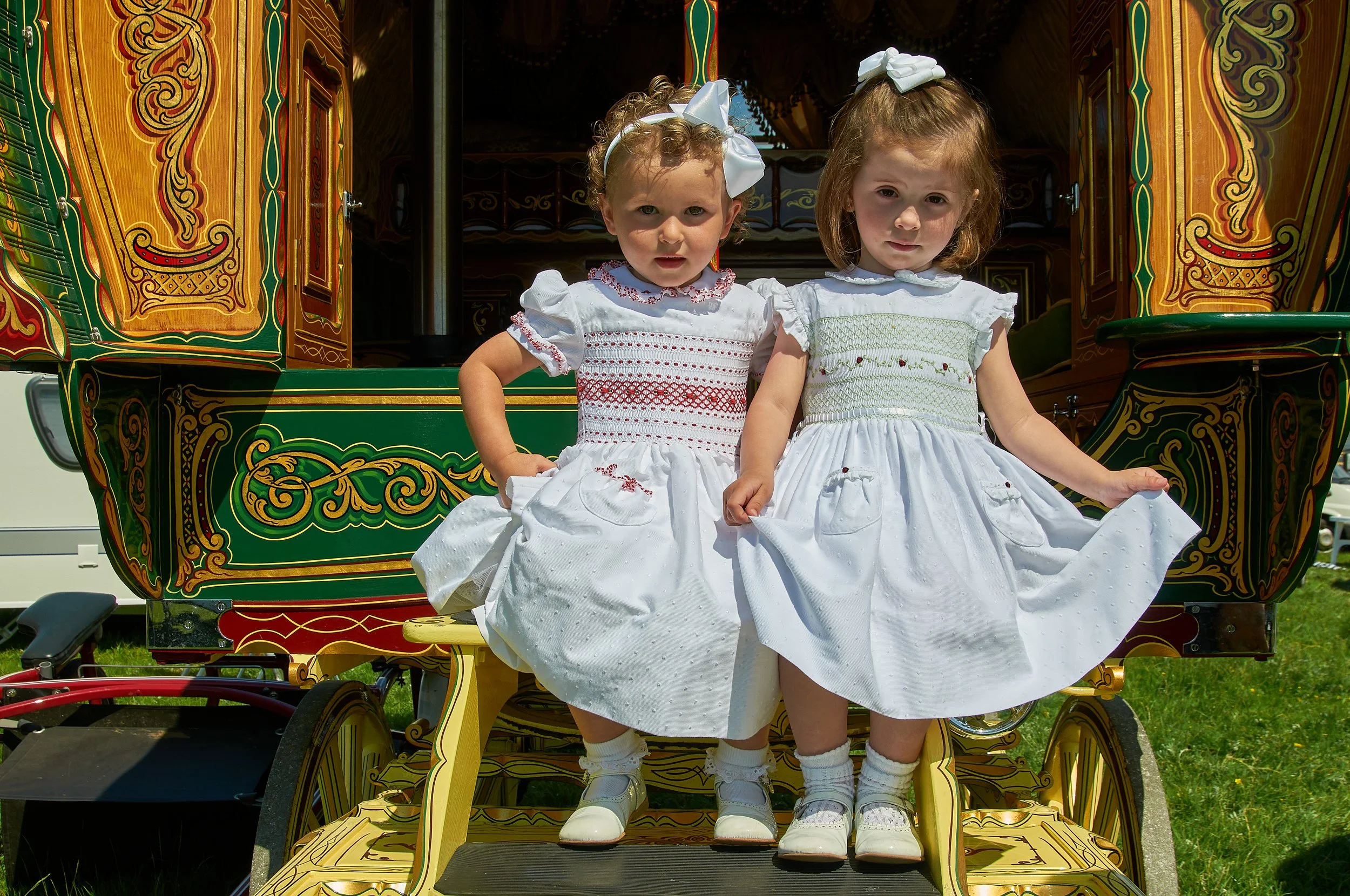
Appleby Horse Fair in Cumbria is the largest annual gathering of Gypsies and Travellers in Europe. In 2010 I shot a series of images for an audio slideshow for the BBC with the help of Zoë Murphy who recorded the audio and carried out the interviews.
Audio slideshow of Apple Horse Fair