Studio Lighting Workshop
If you’ve ever wanted to take the next step in your photography and start creating images that truly make an impact, you need to learn how to control light, both in the studio and on location. Knowing how to use studio lighting effectively for portraits, food or product photography is an essential element of every serious photographer’s skillset. For many people however, professional studio lighting and lighting techniques can seem a bit overwhelming, especially if you’ve never used them before. If that sounds familiar, this workshop is for you.
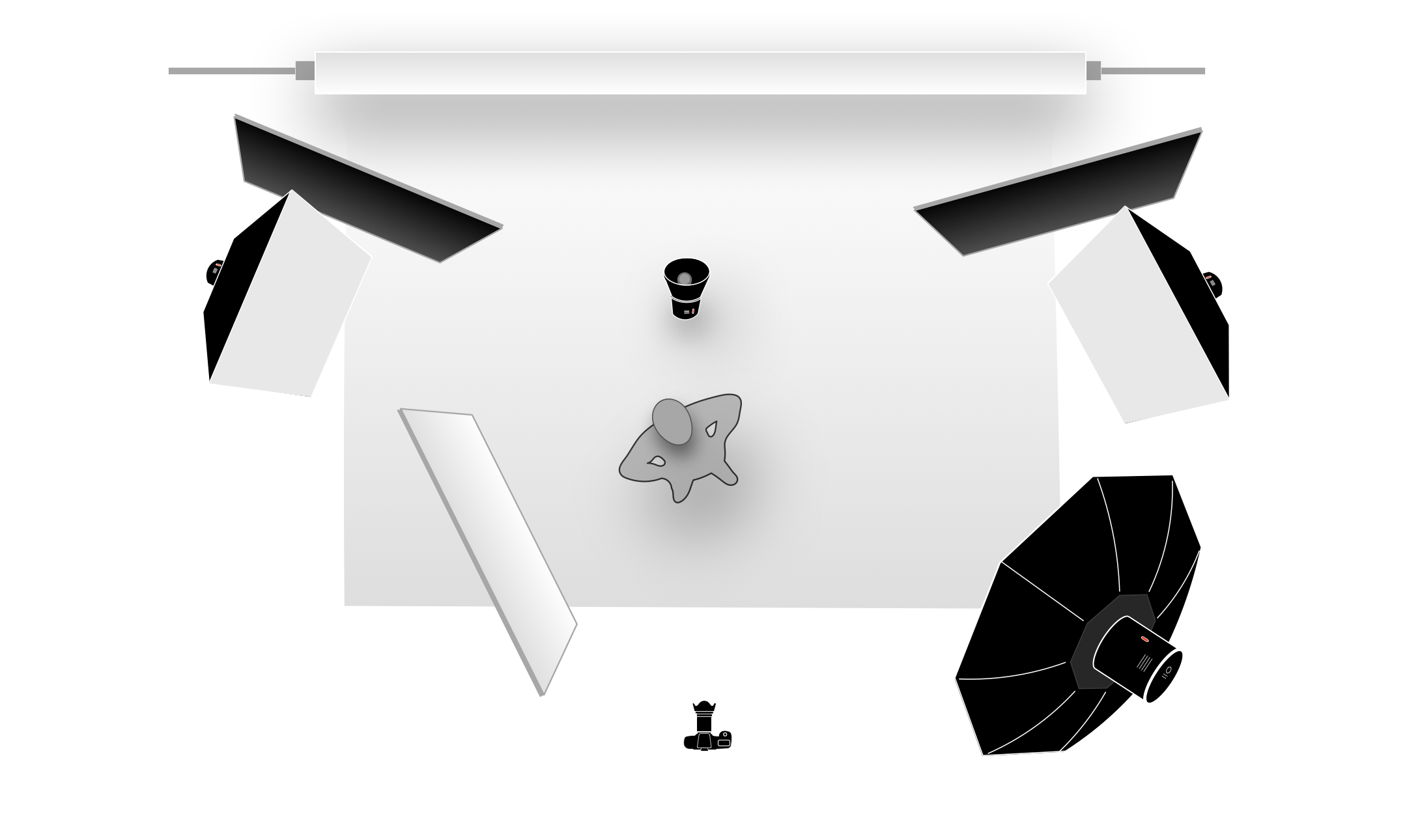
On this half day practical workshop I cover all the basics of lighting to provide the necessary understanding of lighting techniques for you to feel comfortable in hiring a studio on your own, or to shoot on location with speed lights or mains or battery powered studio lights, with the confidence to create your own professionally lit photographs. Some of the topics covered can be found in the Studio Lighting Guide post on my Blog, where you will also find a free downloadable guide to using a Light Meter with lighting diagrams for the most commonly used, classic studio lighting setups.
Introduction to Studio Lighting
What’s covered
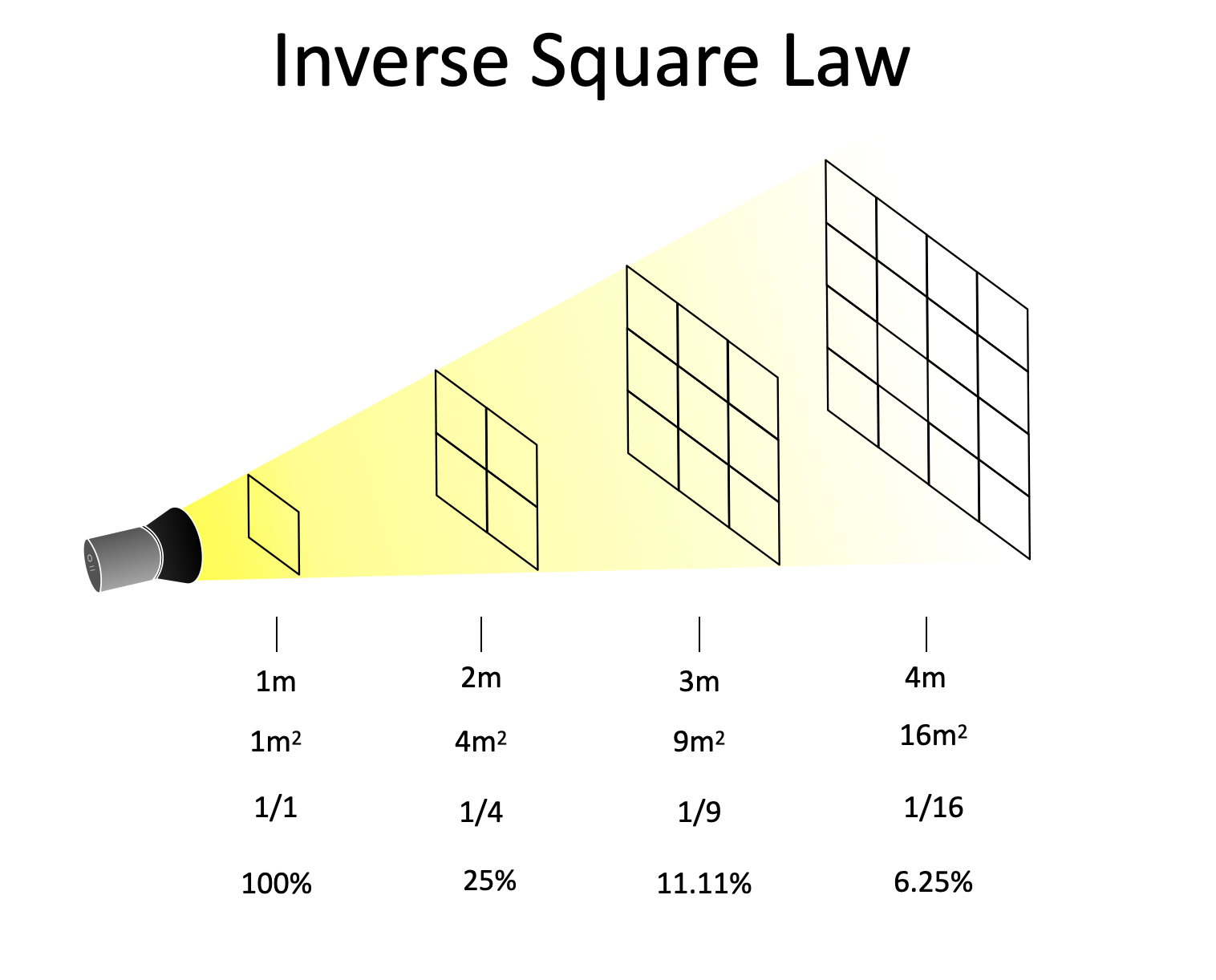
Light Theory - Understanding the “Inverse Square Law”
Directional Lighting - understanding light and shadow
Quality of Light - “Hard” and “Soft” Light
Use of light modifiers
Using “Flags” and “Reflectors”
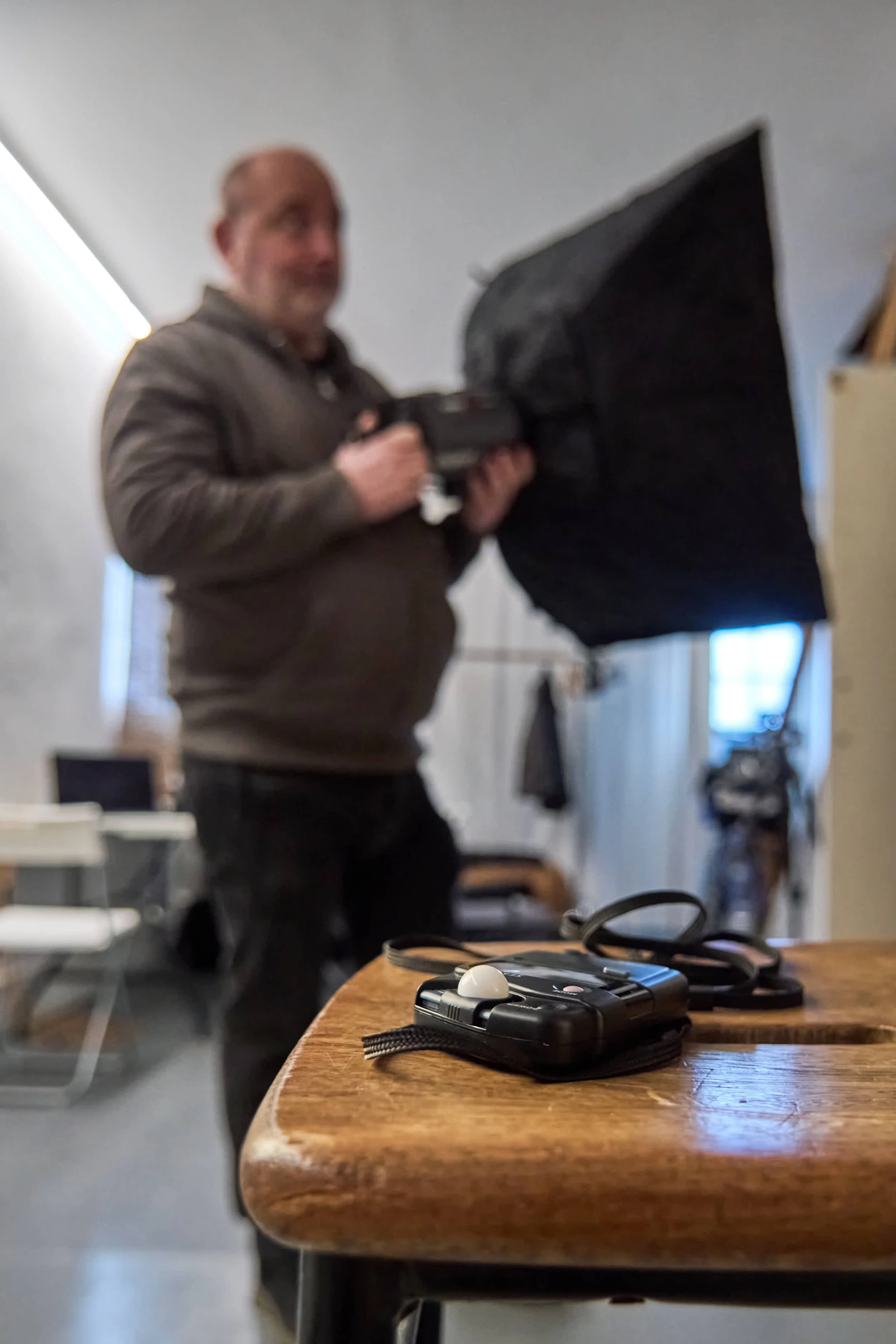
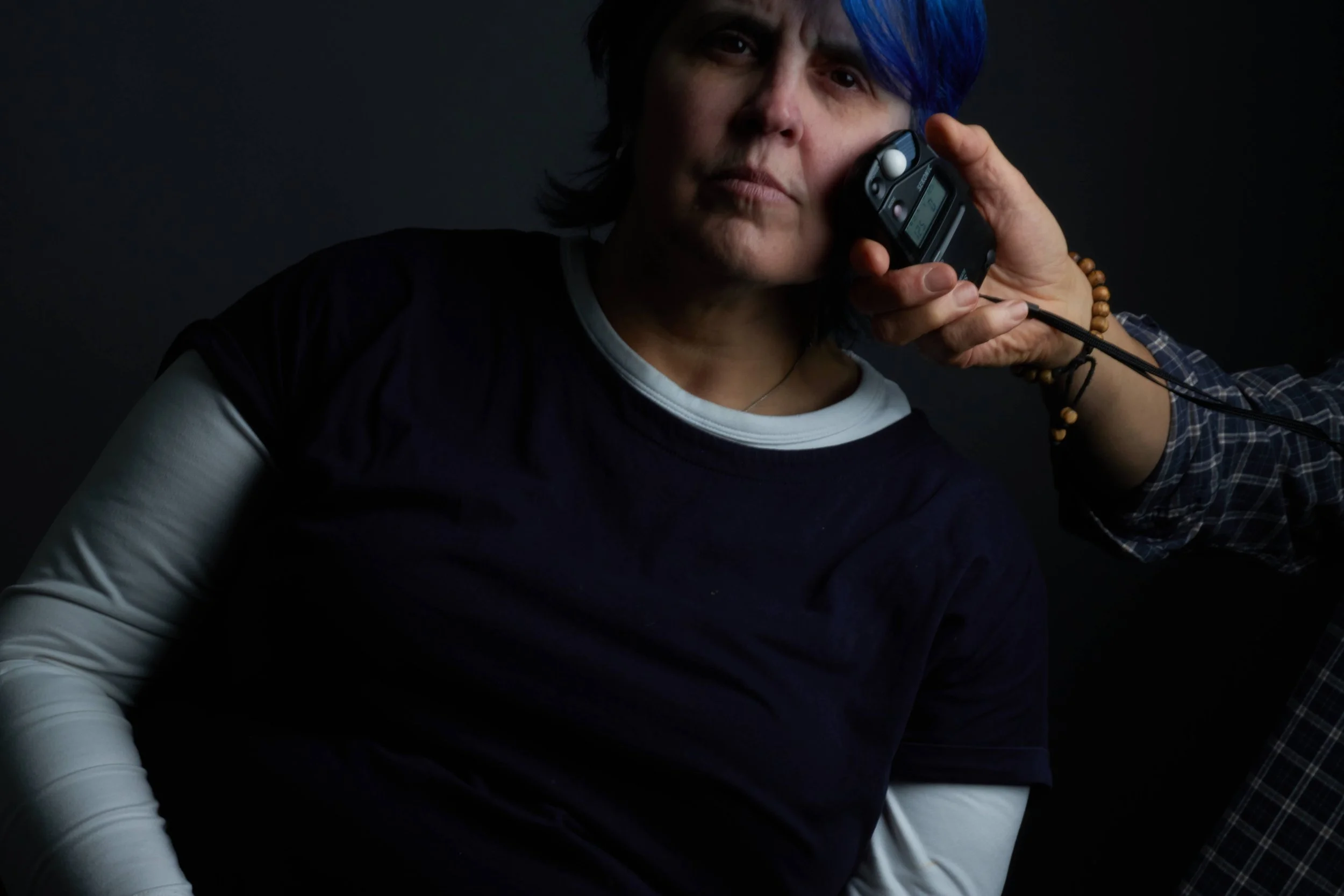
How to use a Light Meter
Using Gels for creative effect
Using a Grey Card
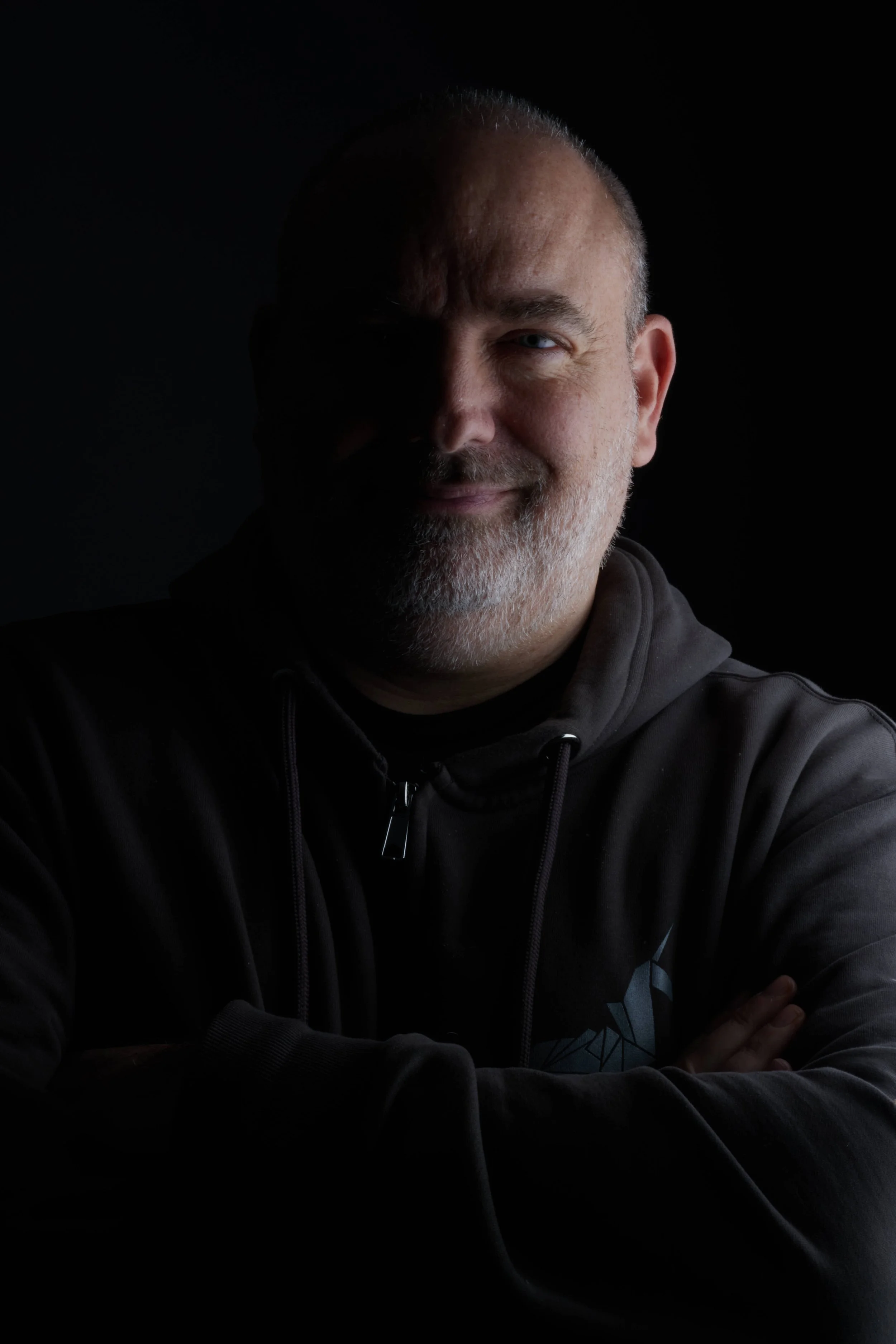
Classic lighting techniques like “Rembrandt”, “Loop”, “Split”, and “Butterfly”
Shooting “Tethered” directly to a laptop for instant review
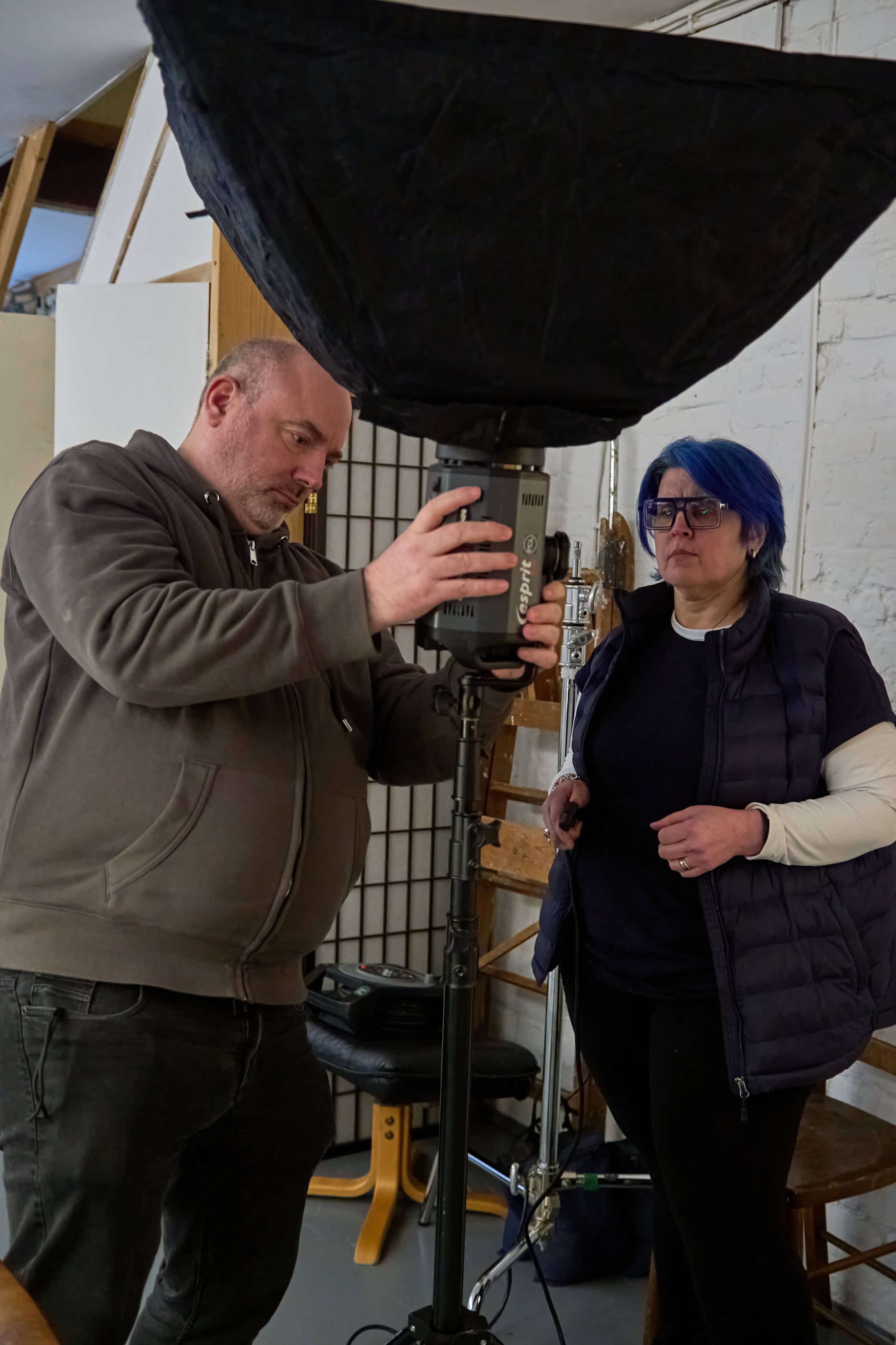
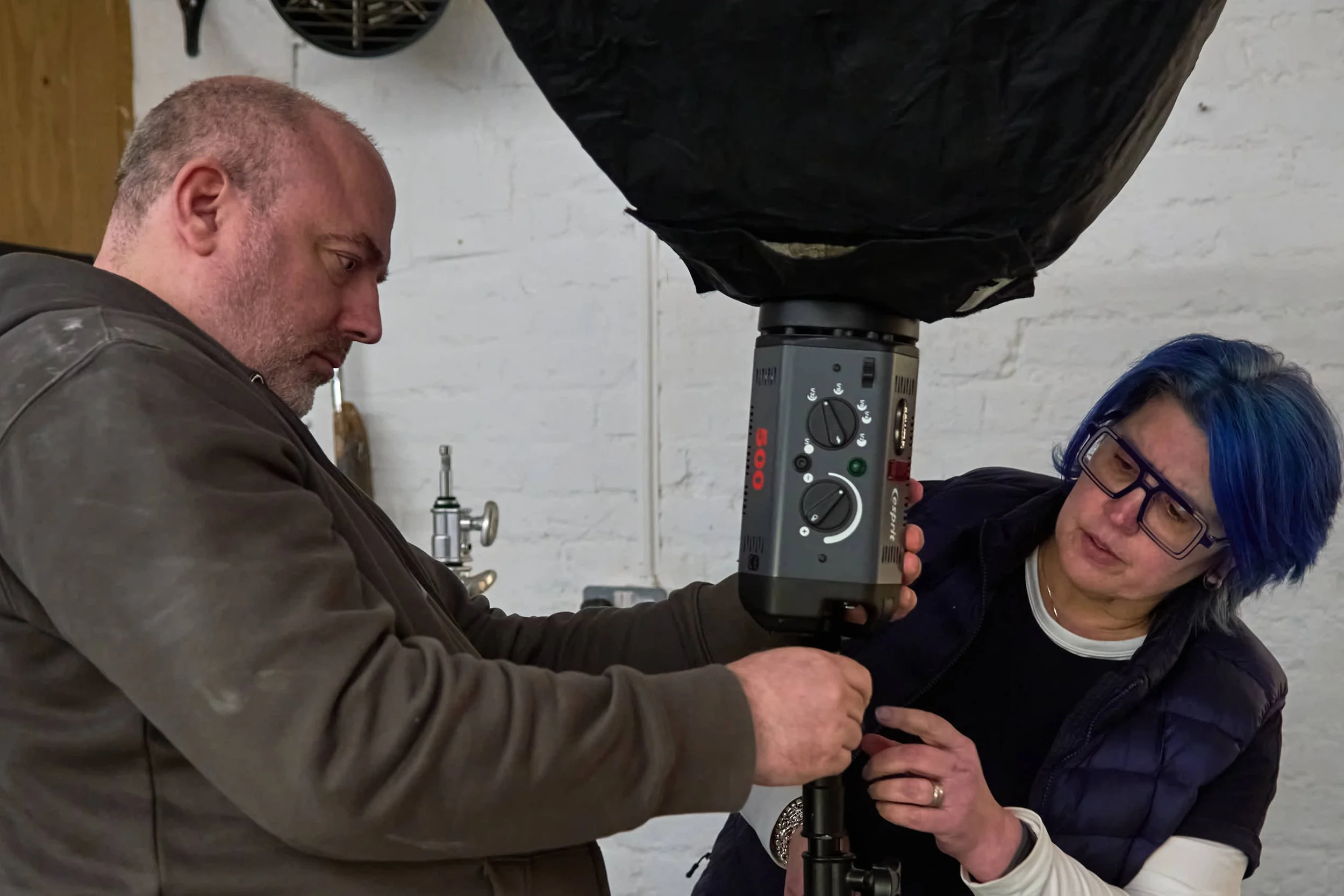
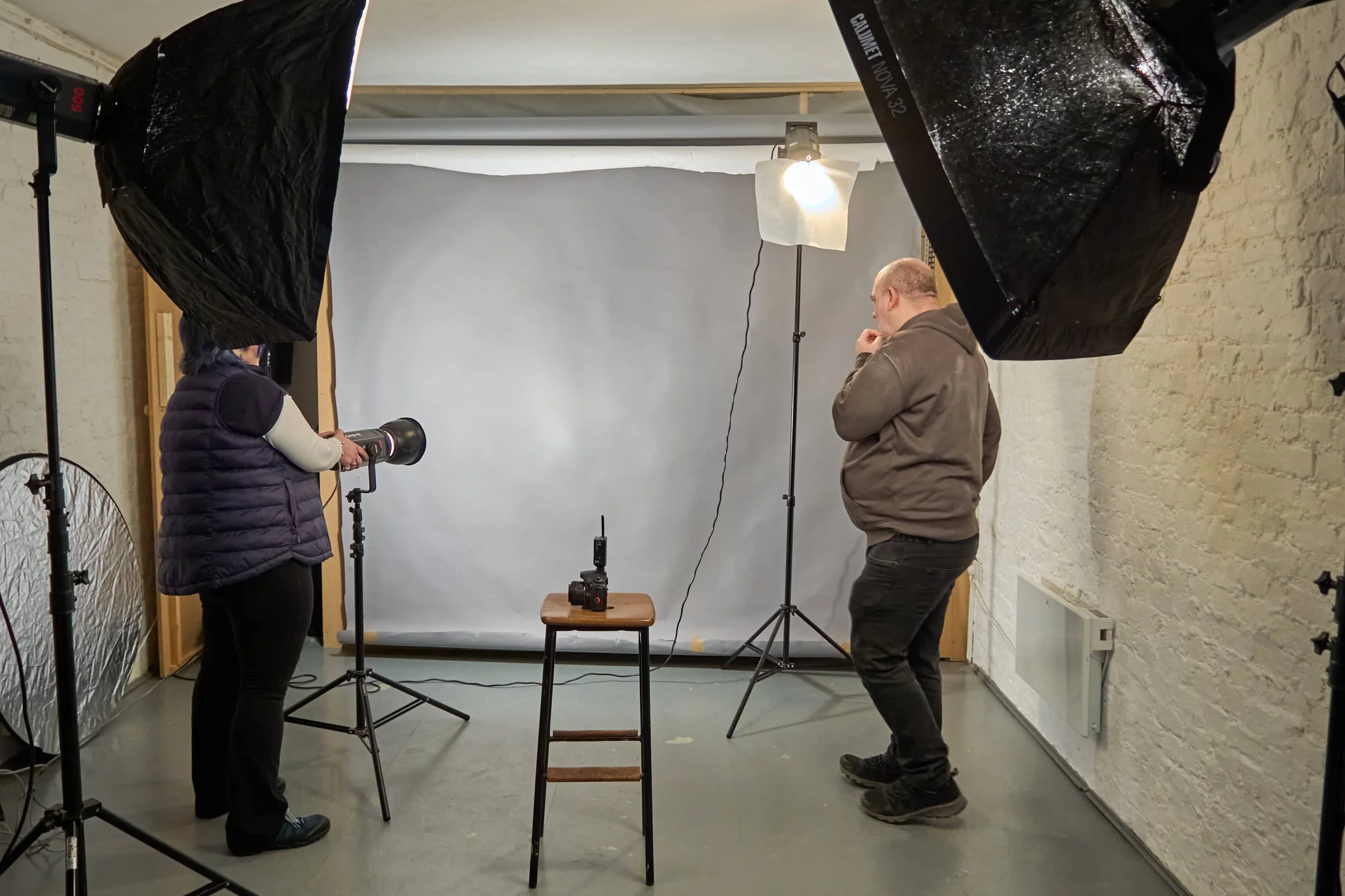
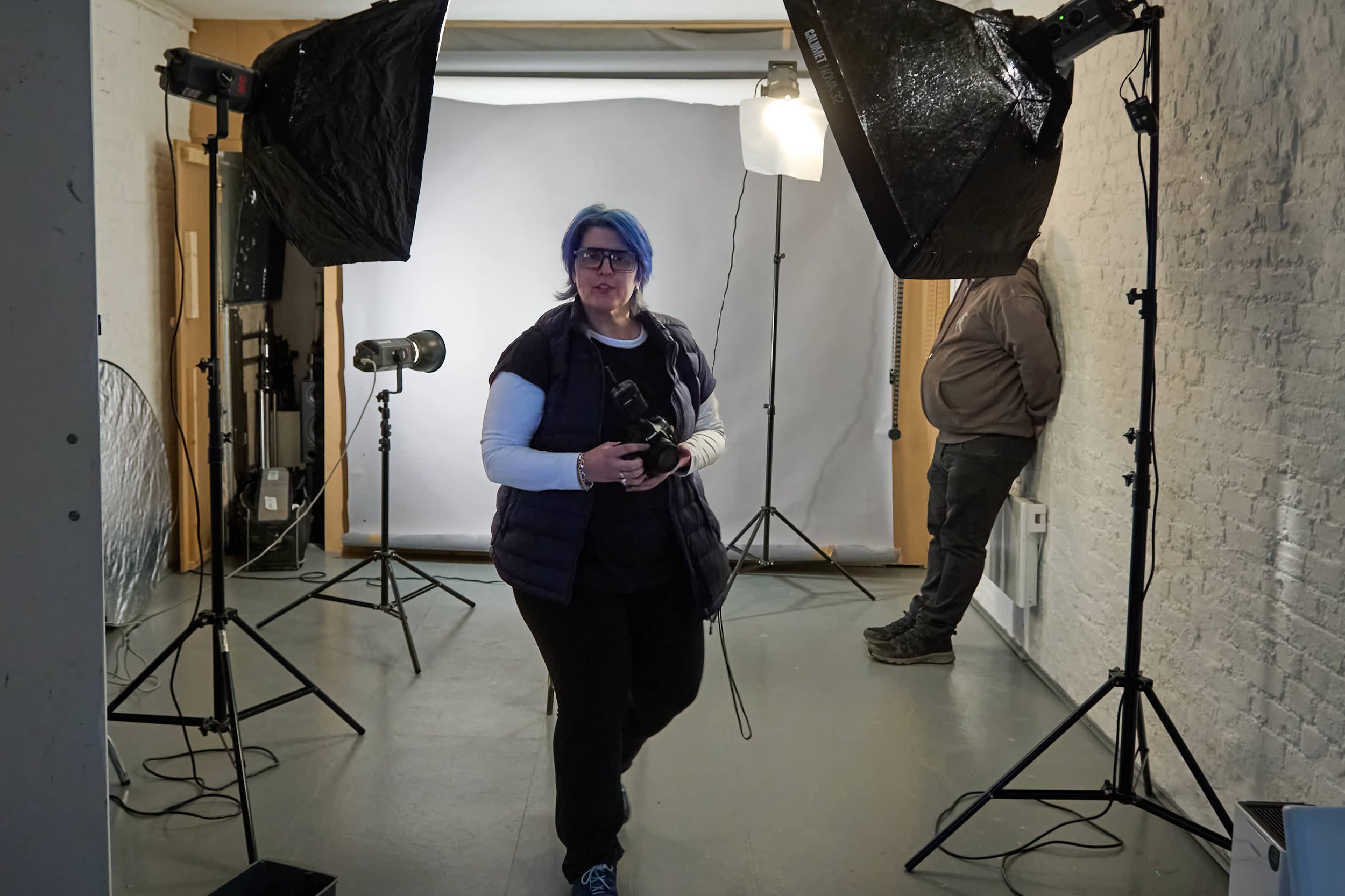
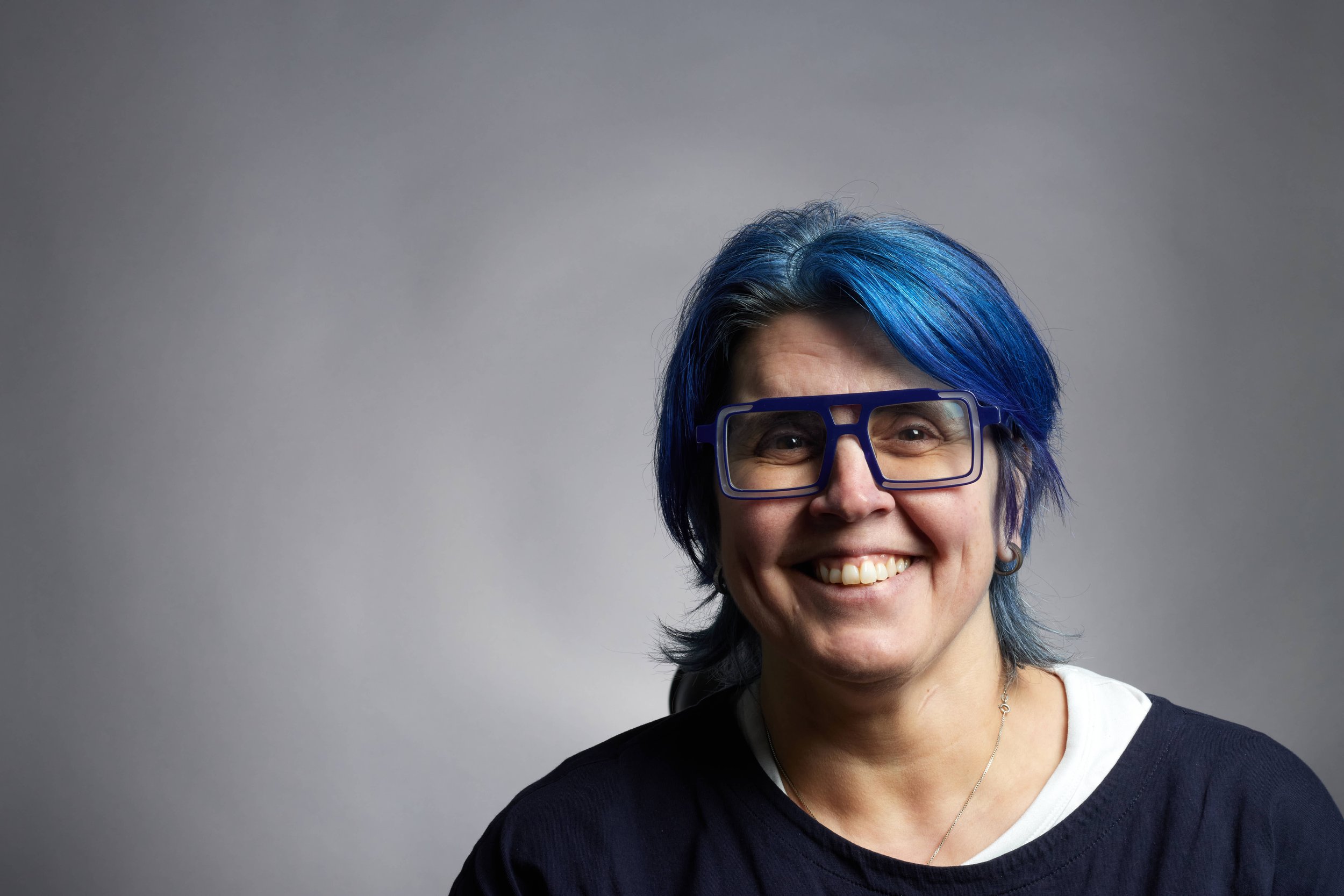
This is a hands on, practical workshop where participants will learn how to set up lights in a working photographic studio. Spaces on the workshop are limited to no more than 4 people and participants will take turns in fulfilling the roles of photographer, model, and lighting assistant.
Studio Lighting Workshop Details
This half day workshop is aimed at both beginner and intermediate level photographers who want to learn, or improve their photographic lighting skills. No previous studio experience is necessary although an understanding of exposure and operation of your camera in Manual Mode is a prerequisite. If you are not fully confident in using your camera in full Manual Mode, you can book a 1-2-1 session here to learn how.
Studio Lighting Workshops are suitable for individuals or small groups, but in order to get the most out of a session, groups are limited in size to no more than four people.
Location
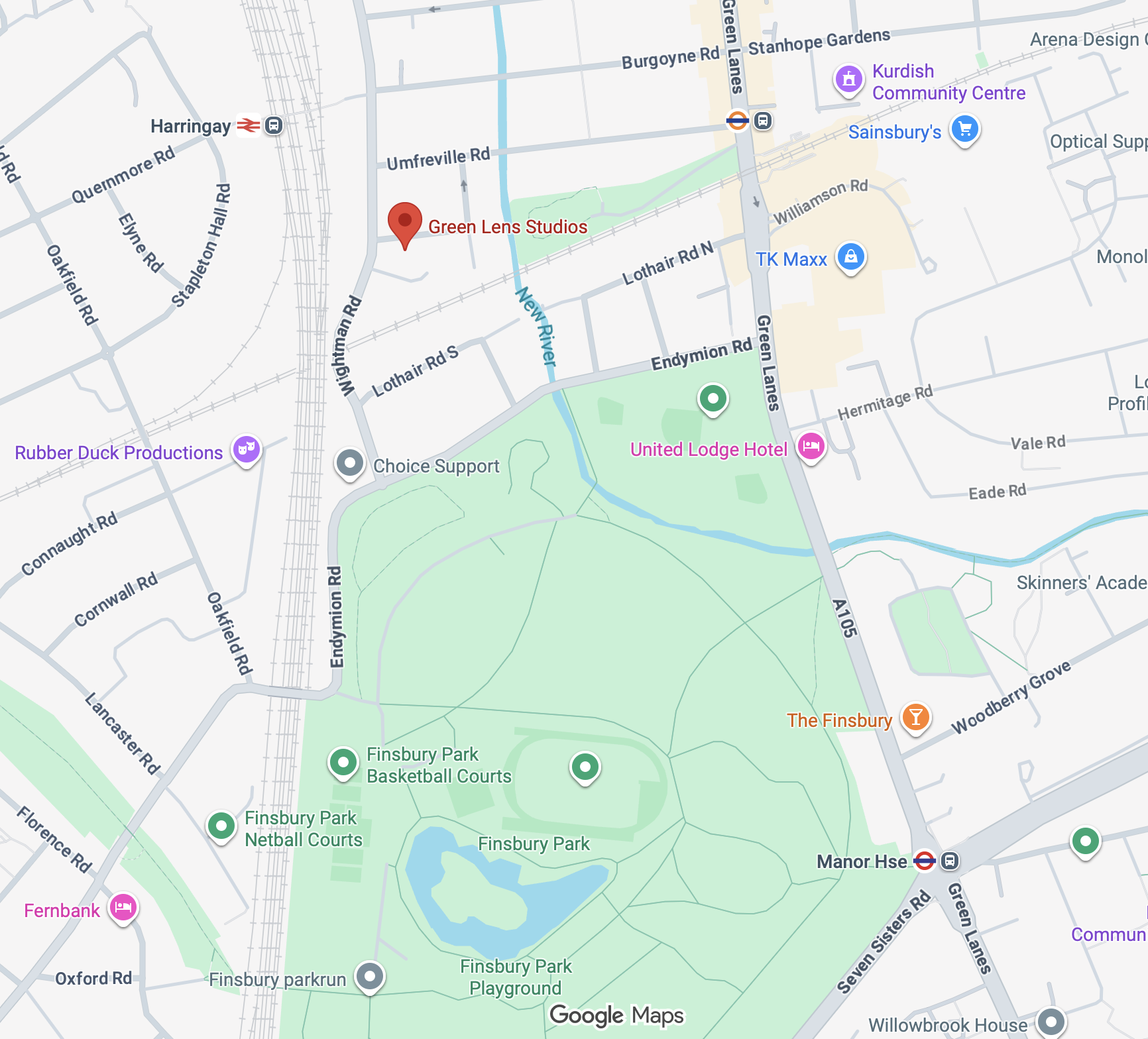
Sessions take place at Green Lens Studios,
4A Atterbury Road, London, N4 1SF
Getting to the Studio
National Rail:
Harringay Station (0.2 km - 2 min walk)
Harringay Green Lanes (0.4 km)
Tube:
Manor House Station (0.6 km)
Finsbury Park Station (1.6 km)
Bus Routes:
29 (Trafalger Square – Wood Green)
67 (Aldgate – Wood Green)
141 (London Bridge – Palmers Green)
341 (County Hall – Northumberland Park)
W5 (Archway – Haringey)
Alternative Locations
For Camera clubs, local Photographic Societies, or any other groups interested in learning studio lighting, I am able to bring a complete studio environment, including backdrop and all lighting equipment to your location for a fixed fee. To find out more, please get in touch to discuss your requirements.
Duration
Sessions start at 10:00 and last approximately five hours, with a short break for lunch (which is not provided, so please bring your own packed lunch or purchase something from one of the nearby shops on Green Lanes).
If you want a longer session, that’s no problem, simply get in touch and arrange a session that suits your requirements.
Learning how to control light in a studio provides the understanding needed to apply those skills on location, using speed lights or studio lights with either mains or battery power.
Participants will learn about lighting theory and the properties of light; intensity, direction, and quality. The aim of the workshop is to provide participants with a solid understanding of light and professional lighting techniques. This is not a workshop where everything is done for you and you leave with a set of perfectly lit images of a model but no understanding of how to recreate those images.
If you really want to understand the principles of light and to feel confident in controlling light, this workshop is for you as it builds understanding from the ground up, starting with just one light, and adding additional lights one at a time to understand the role of each light in a studio setup.
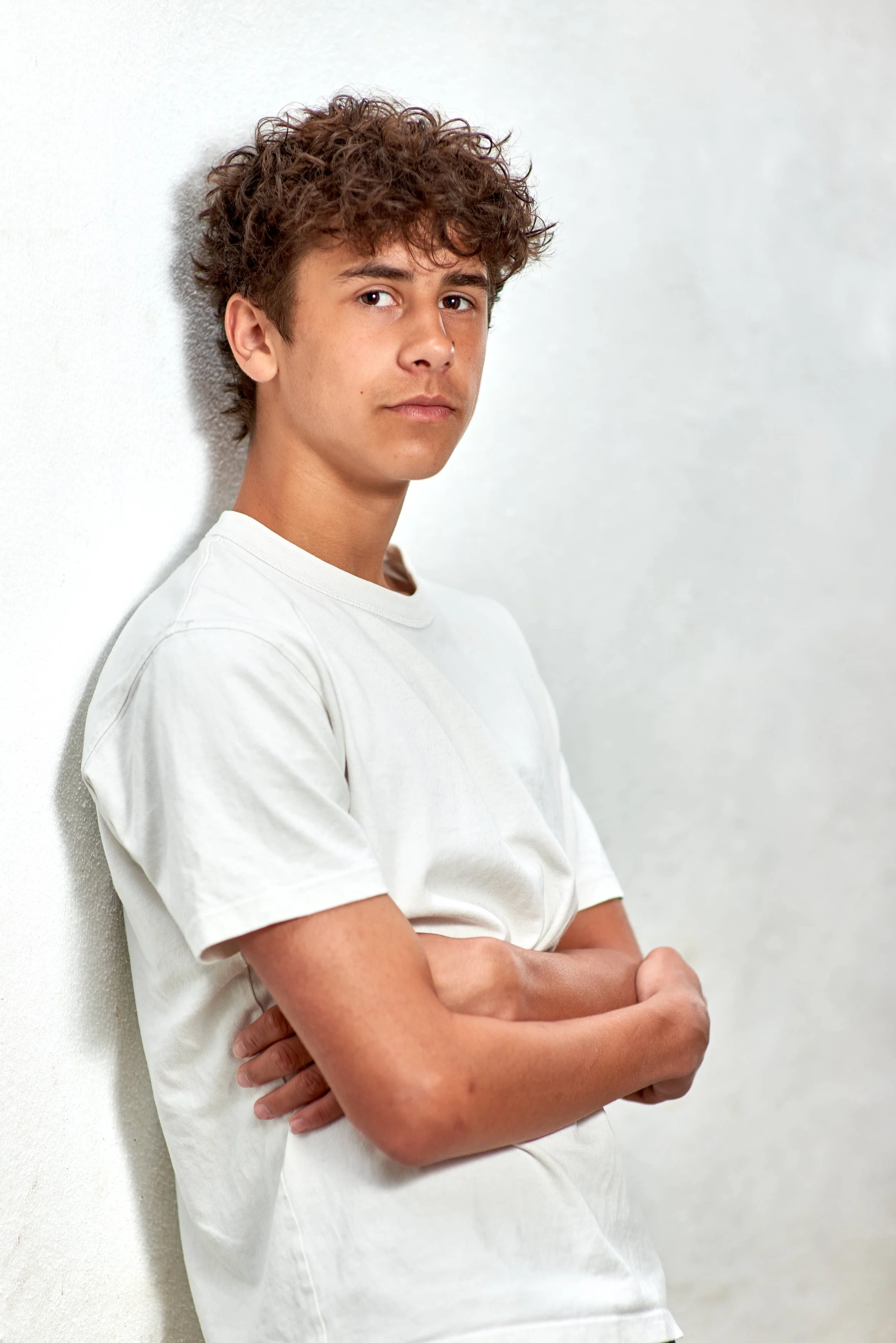

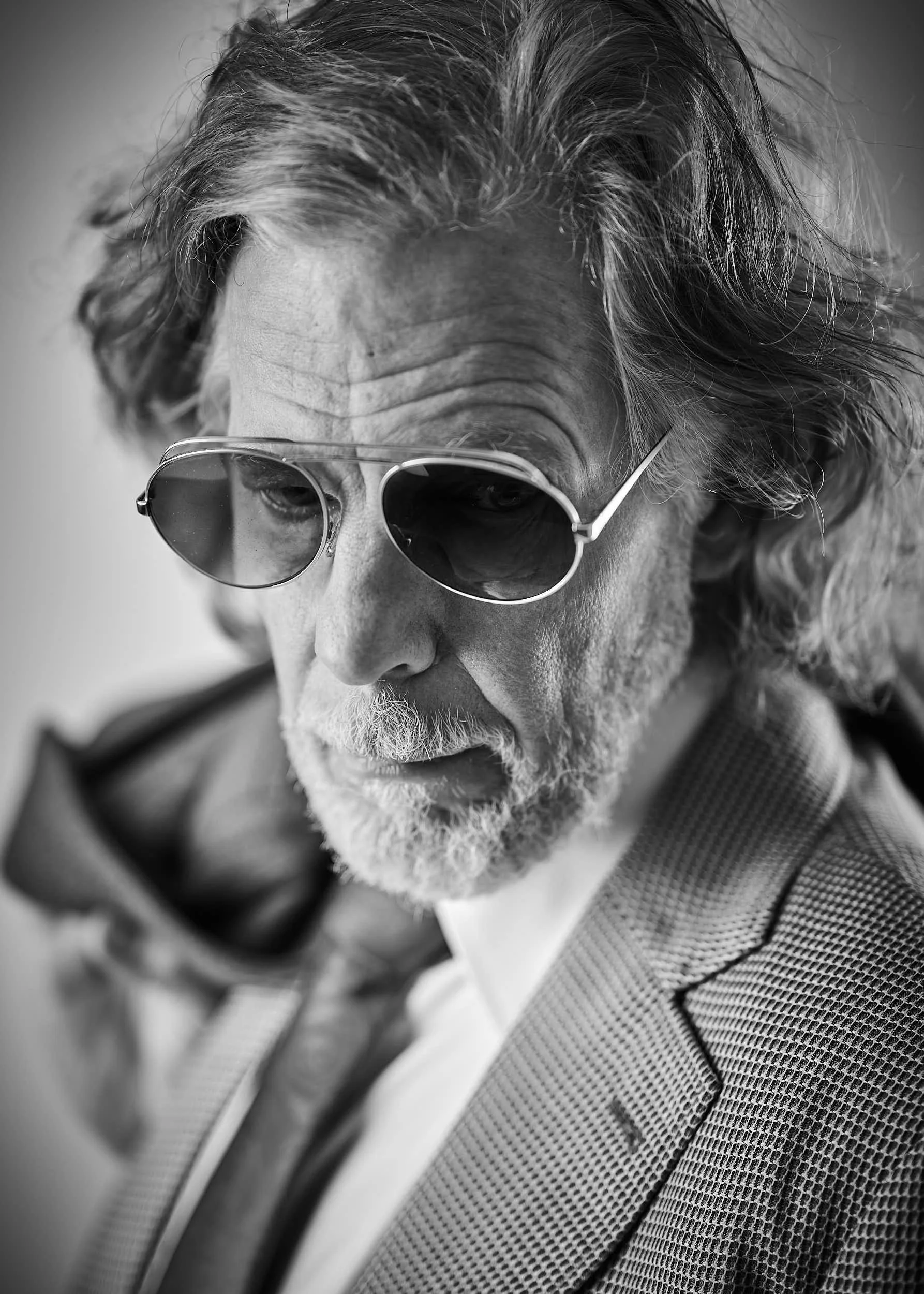
One Studio: Two Locations
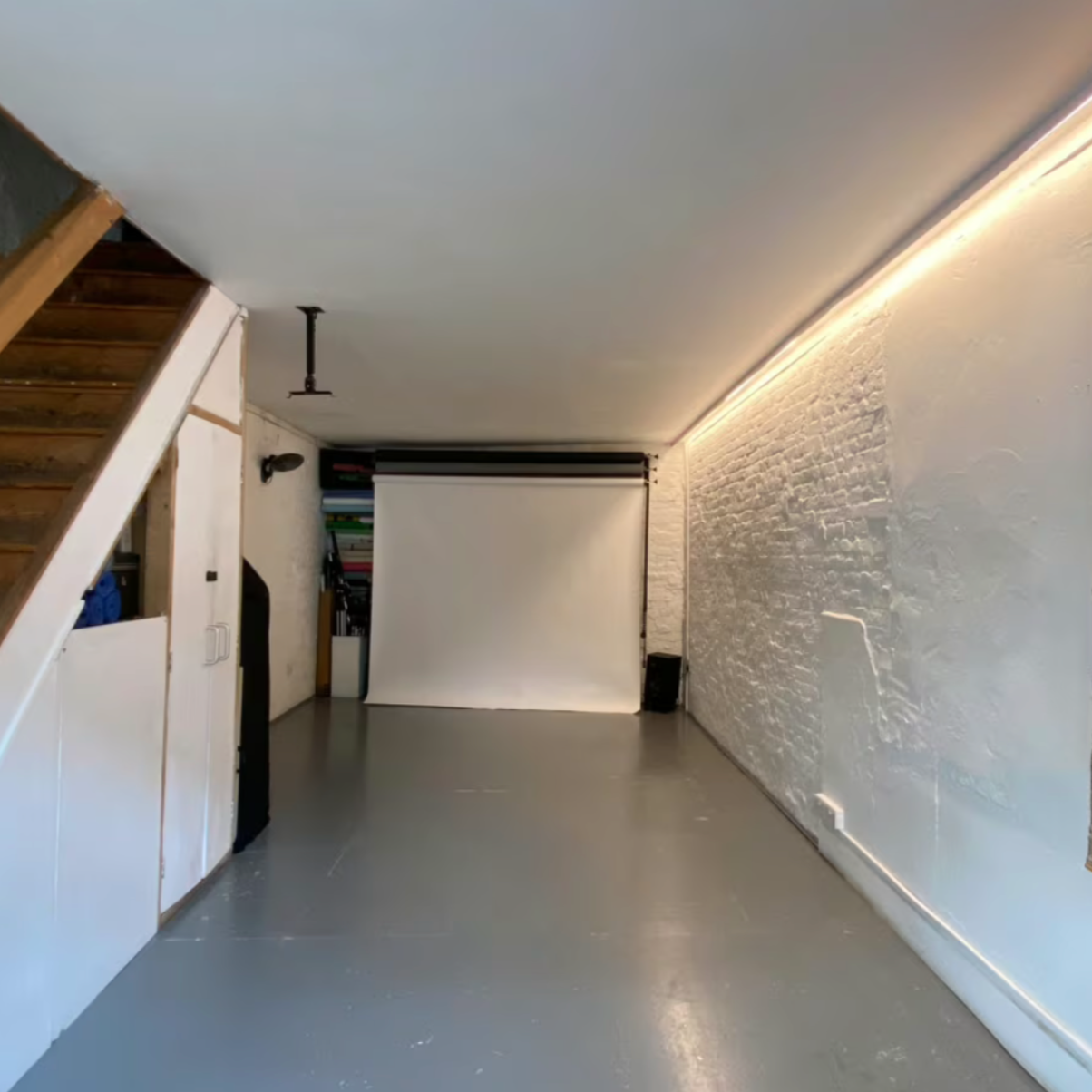
Green Lens studios offers two very different environments to shoot in, which means that Workshop participants have the opportunity to apply lighting techniques learned in the studio to a location or lifestyle type environment. This is a great way to learn how to balance flash with ambient light.
The workshop will introduce participants to shooting in a studio to learn the basic techniques and theory of lighting. If time allows, after lunch participants will have a chance to put their skills into practice in the room above the studio to experiment in a more Lifestyle environment.
Ground Floor studio Space
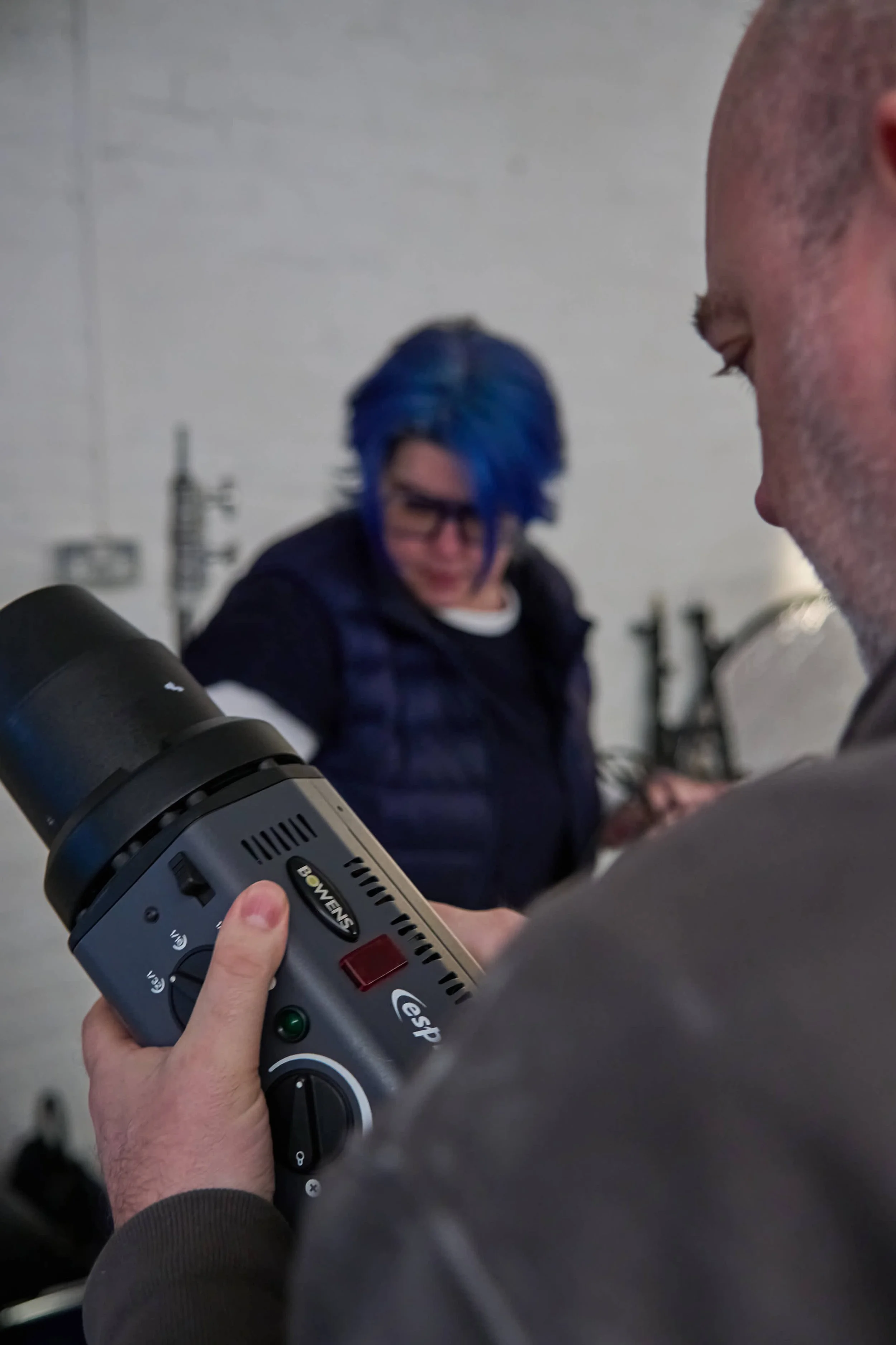
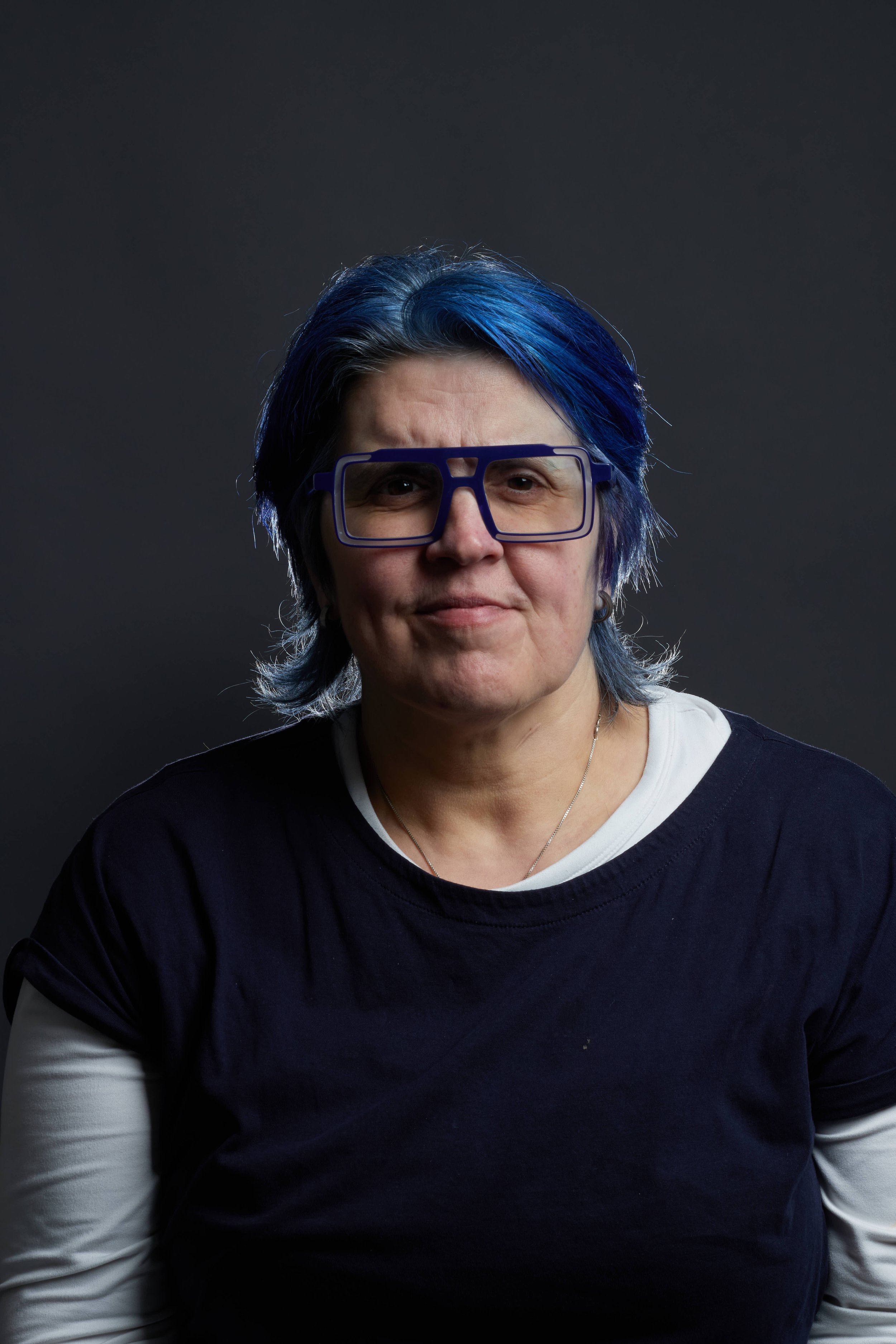
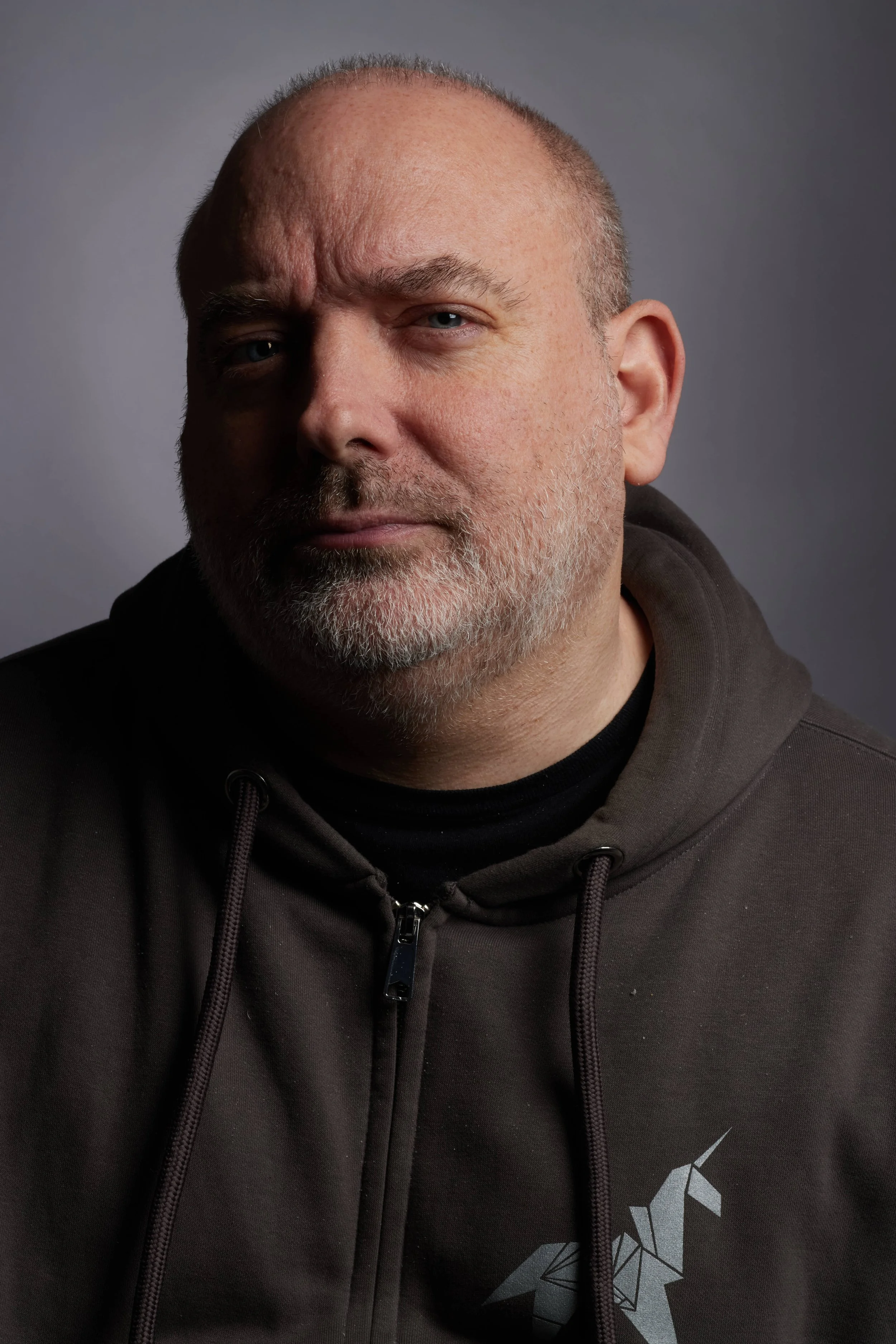
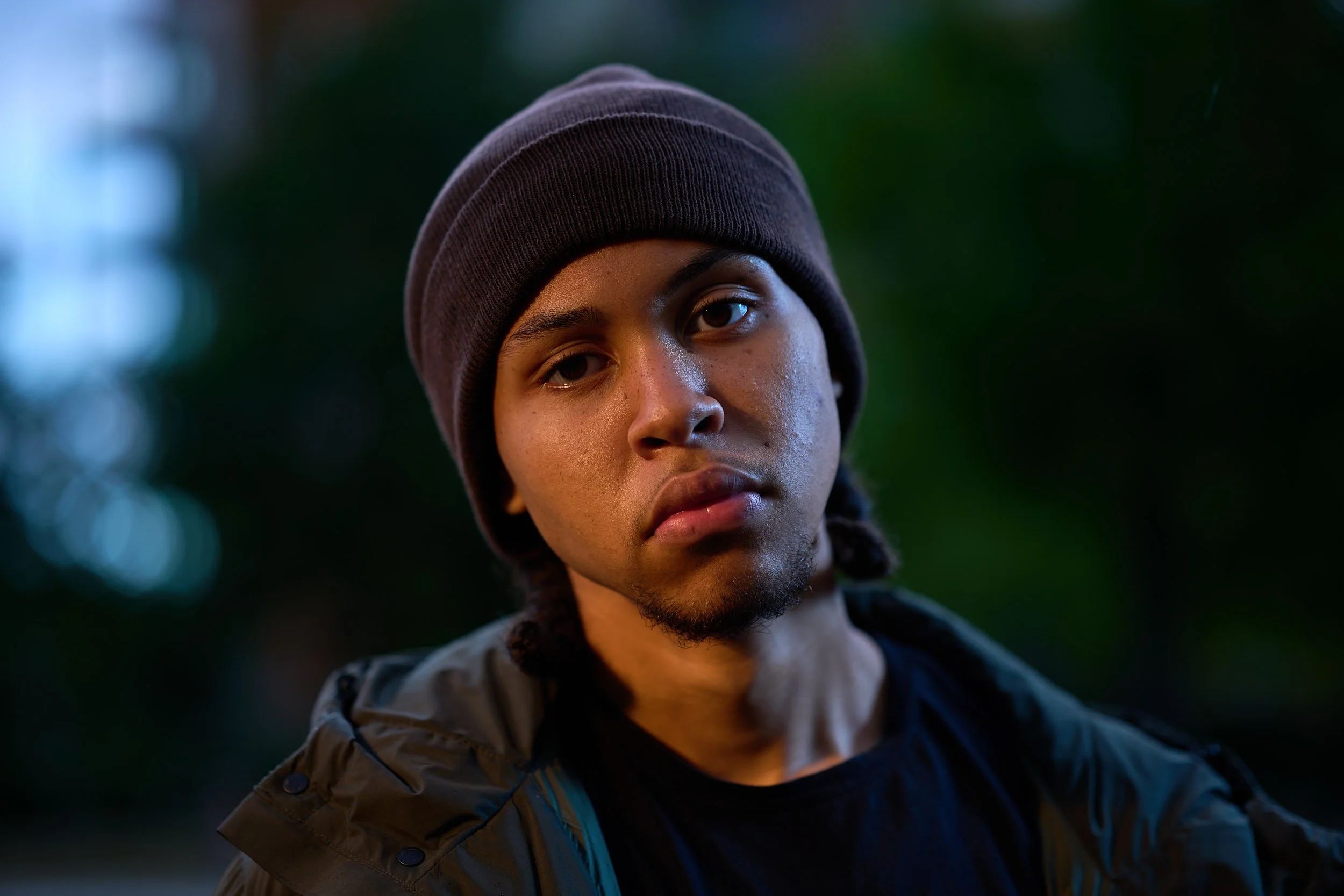
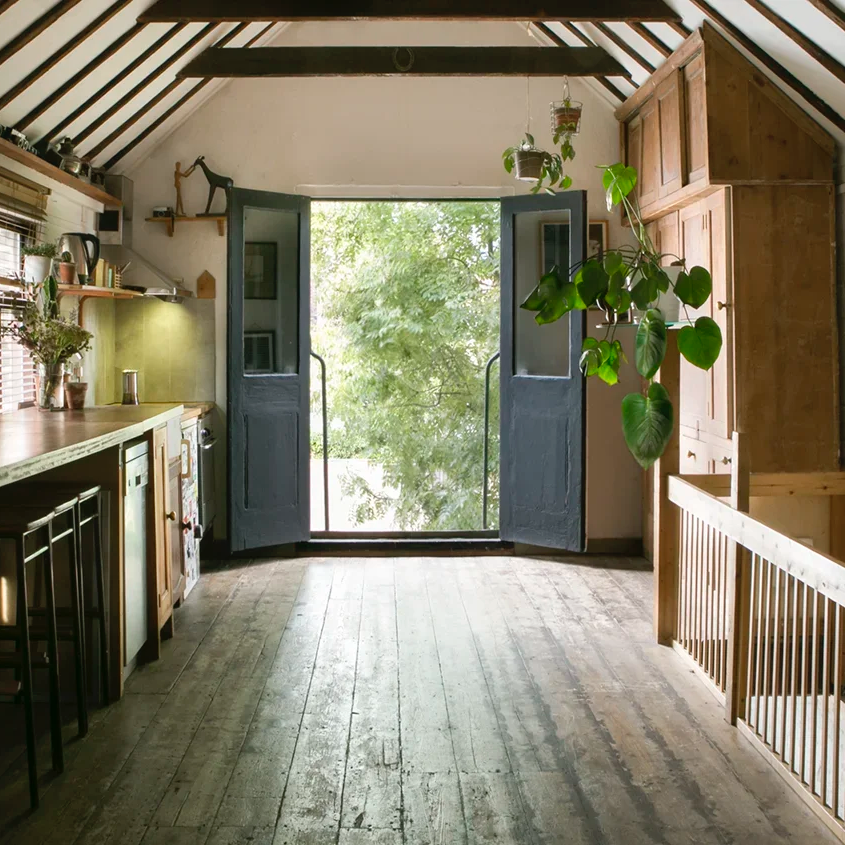
Lifestyle area above the studio
Cost
£295.00 pp
Payment must be made in full in advance.
Requirements
Participants must bring a DSLR or Mirrorless camera with full manual control, memory card and fully charged battery.
Capture One Tuition
I use Capture One Pro for my workflow as I find it is by far the best post processing software on the market. If you are unfamiliar with this software, a free 30 day trial can be downloaded here. I am able to provide an introduction to Capture One workshop as a personal tuition session for 1-2 people. Sessions take place either at clients' home or office or in a cafe location in central London.