Photography Blog

Welcome to my Blog page.

Here you’ll find some examples of recent personal work, as well as articles on photography related topics. I also post the occasional tutorial videos with tips and tricks to help explain technical aspects of photography.

If you’re subscribed to my newsletter, you’ll receive much of what I post here as well as additional content.

Scroll through the clickable menu on the right hand side to find specific articles or posts.

Loading posts…

    Steve Franck Steve Franck

    Depth of Field explained

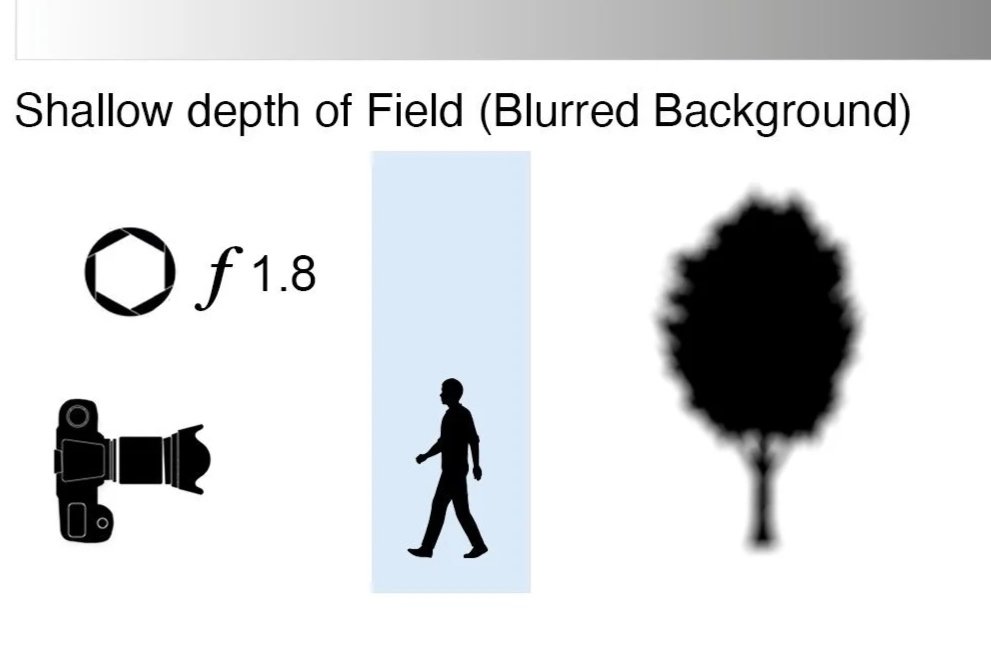
    Depth of Field is the photographic term that describes the limit of the distance that extends in front of and behind the selected point of focus, sometimes referred to as the field of focus. Large apertures will reduce the depth of field and small apertures will increase depth of field. Most people understand this basic concept, but what’s often overlooked, especially by beginners who are still learning about the technicalities of photography, is that distance significantly affects depth of field and is a very important consideration. The closer the subject is to the camera, the more noticeable the impact of a shallow depth of filed is, but as the focal distance increases, the depth of field also increases, which means that even at wide open apertures, the depth of field can still be very deep, if the focus point is further away…

    Hopefully this short explainer video will help.

    Explanation of Depth of Field in Photography


    Read More
    Steve Franck Steve Franck

    Long Exposure Photography Explained

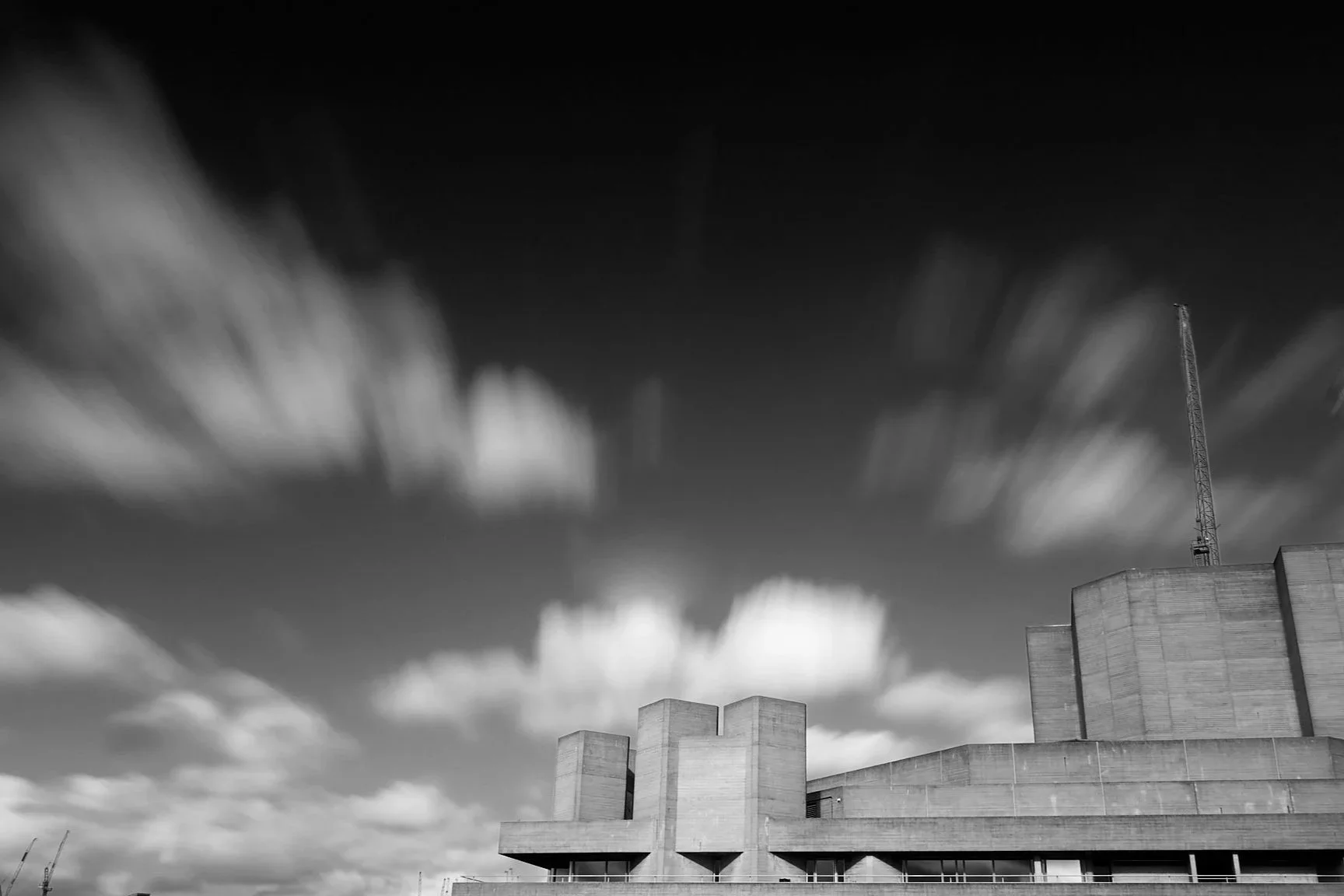
    Long exposure photography is a great way to lift your landscape images to another level. The effect of leaving the shutter open for a longer time than you would for most other types of photography means the camera can record movement in a totally unique way. This effect is especially noticeable in subject areas like skies which have a few clouds or areas of running water.

    Long exposure photography is a great way to lift your landscape images to another level. The effect of leaving the shutter open for a longer time than you would for most other types of photography means the camera can record movement in a totally unique way. This effect is especially noticeable in subject areas like skies which have a few clouds or areas of running water.

    Understanding how to use the camera’s built in light meter is an important factor in being able to calculate exposure times accurately when adjusting the variables of ISO, Aperture and Shutter Speed. However, when extending the shutter speeds in Long Exposure Photography, there’s a fourth variable that needs to be taken into account; Neutral Density Filters. ND Filters are basically panes of darkened glass that sit in front of the camera’s lens and reduce the amount of light that enters, thereby necessitating the use of longer (or slower) shutter speeds in order to get accurate exposures. Without the use of ND Filters, the long exposure times necessary to achieve the desired effect in this type of Photography would mean images would be way over exposed. Hopefully this short video will help explain how to use these filters in order to get the desired effect.

    I run Long Exposure Workshops for small groups or as 1-2-1 sessions in London throughout the year.

    Explanation of how to use ND filters in Long Exposure Photography


    Read More
    Steve Franck Steve Franck

    Light Meter Explained

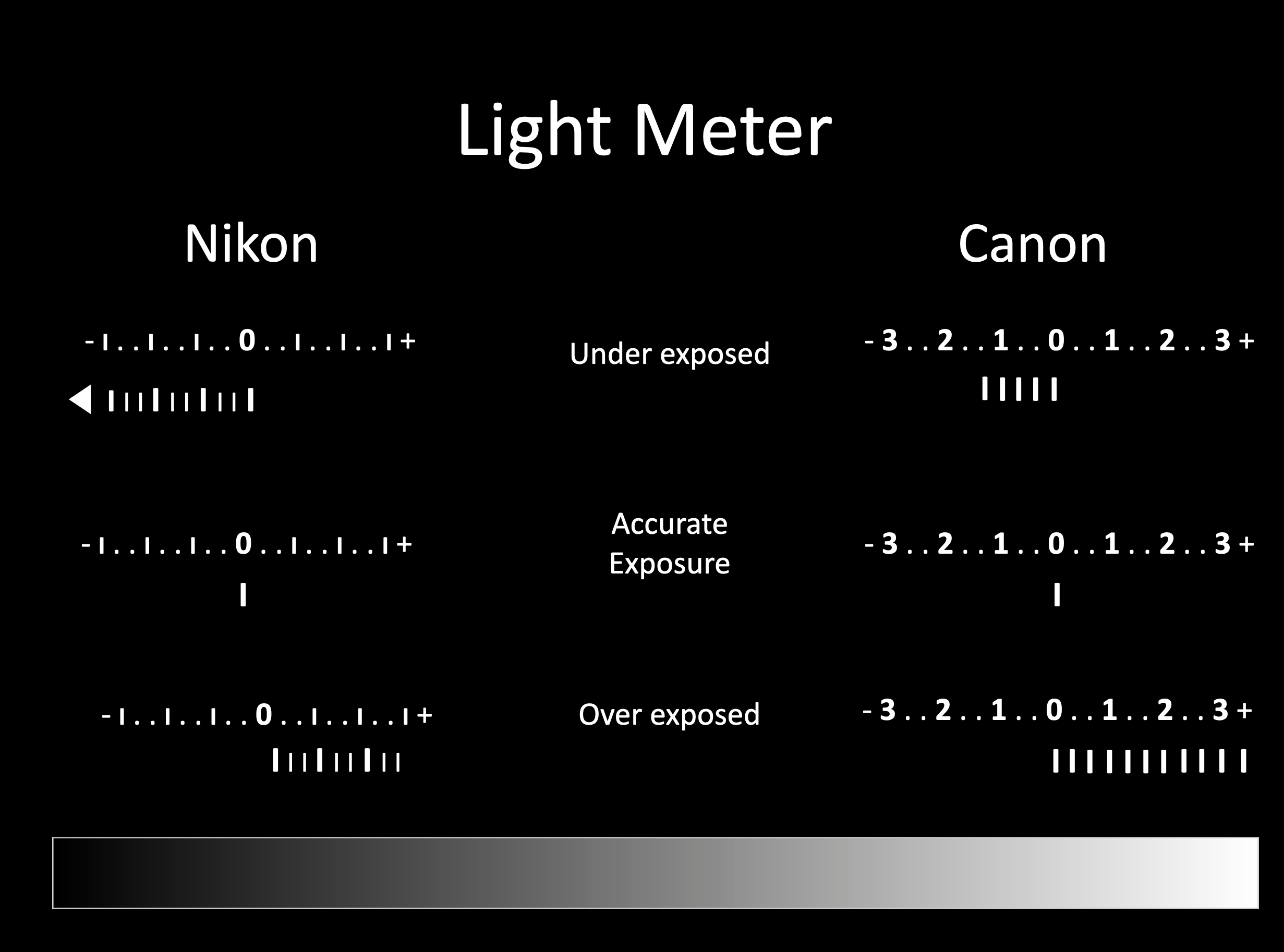
    The single most useful feature of any camera has to be its built-in Light Meter.

    Without a light meter, achieving accurate exposures in Manual Mode is almost impossible for anyone unfamiliar with photographic techniques.

    The single most useful feature of any camera has to be its built-in Light Meter.

    Without a light meter, achieving accurate exposures in Manual Mode is almost impossible for anyone unfamiliar with photographic techniques. A lot of amateur photographers prefer to use one of the semi automatic modes, especially Aperture Priority, as they feel it makes life easier for them, but this hands over part of the decision making process to the camera. When it comes to control over lighting, the Light Meter is the key feature that will help you adjust exposure to interpret your vision so understanding it is one of the most important steps you can take to improve your overall creative control.

    Please leave a comment below to share your opinions and suggest any other topics you’d like me to do an explainer video on.

    Explanation of Light Meter


    Read More
    Steve Franck Steve Franck

    “Stops” Explained

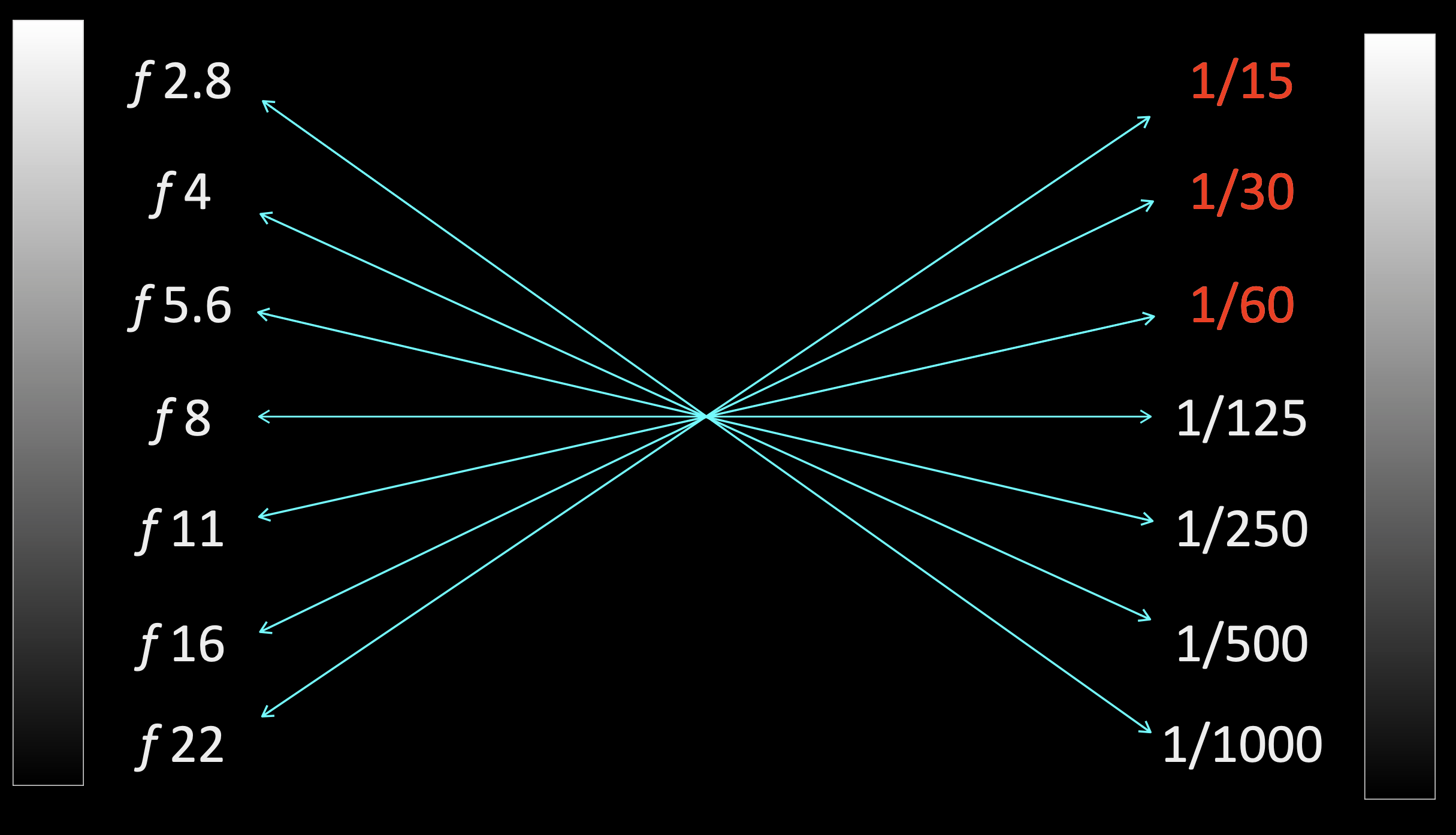
    People often talk about “Stops” in photography but it’s not always clear what they’re referring to. Most people are familiar with the concept of ‘f stops’, but that only refers to apertures. A “Stop” actually describes more than just the size of the opening of an iris in a lens… So what exactly is a “Stop?” I hope this short video explanation helps answer that question. Please leave a comment if you’d like me to record a short explainer video on any other photographic topic.

    Explanation of Stops in Photography


    Read More
    Steve Franck Steve Franck

    Aperture values explained

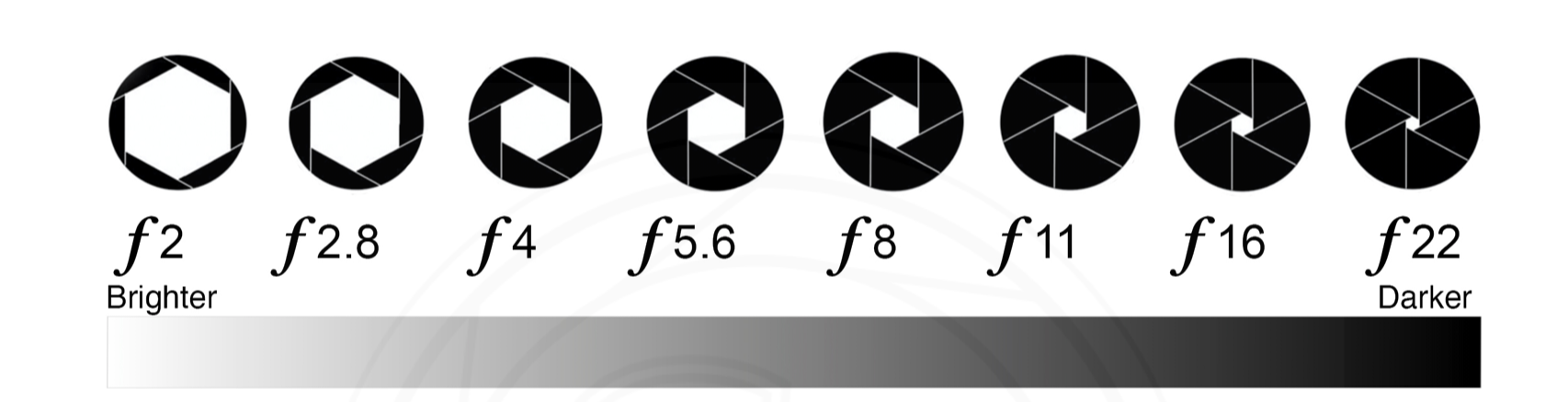
    Aperture values can seem confusing to a lot of people, especially when they’re new to photography. It seems to be one of those things that you just need to accept, and then memorise - the lower the value, the larger the hole. But that doesn’t really explain what’s going on. Wide apertures are described by low numeric values, whereas small apertures are described by higher numeric values. That doesn’t seem logical and often causes people who are learning photography to refer to apertures using terms like “high” or “low”, which also doesn’t make sense!

    In order to try and demystify this mathematical oddity, I made a little video to explain what’s going on, I hope it helps. Please leave a comment if you’d like me to do more short explainer videos and suggest topics.

    Explanation of why Aperture values appear to be numerically inverse to what they’re describing


    Read More