On the use of images in reports…
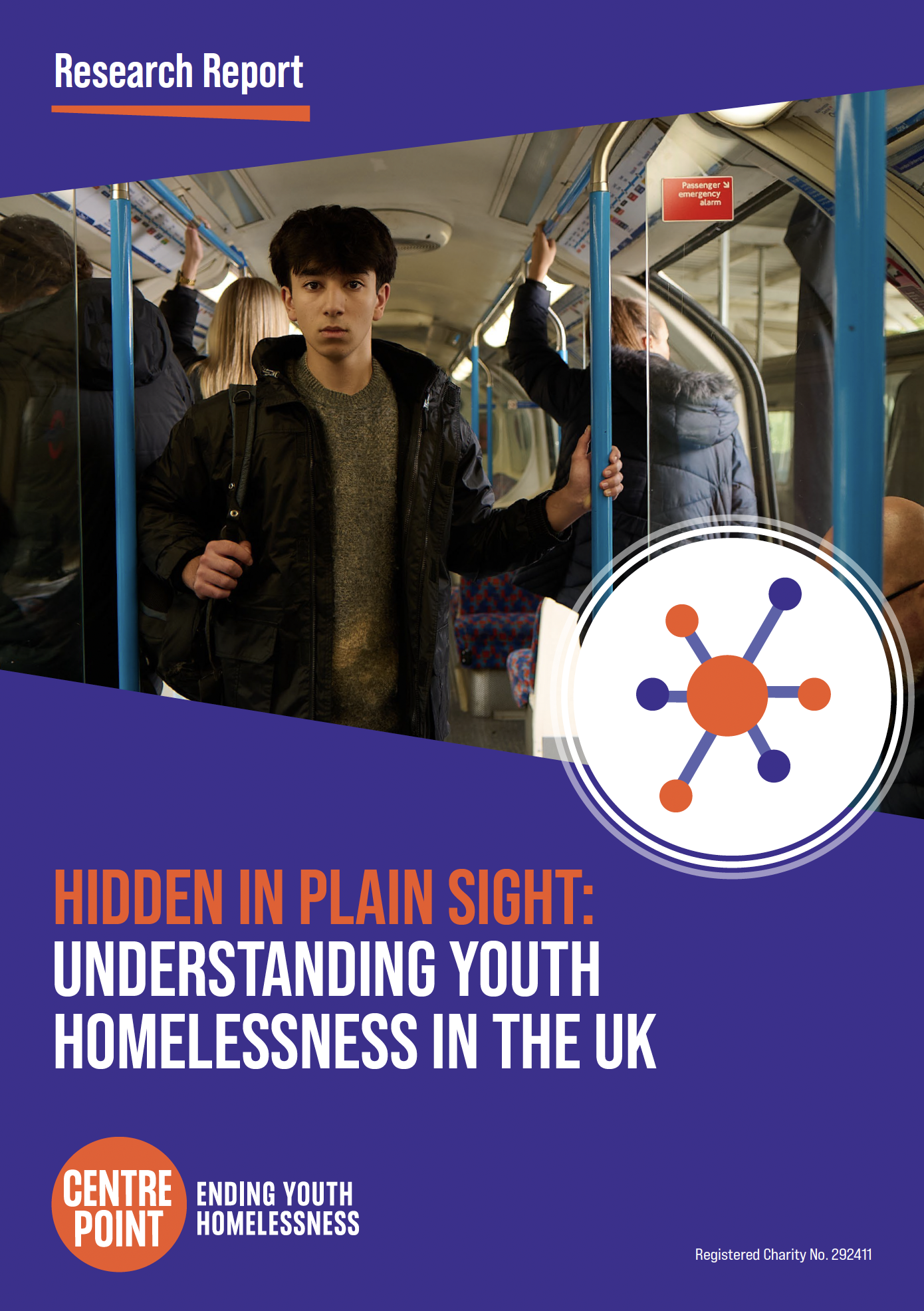
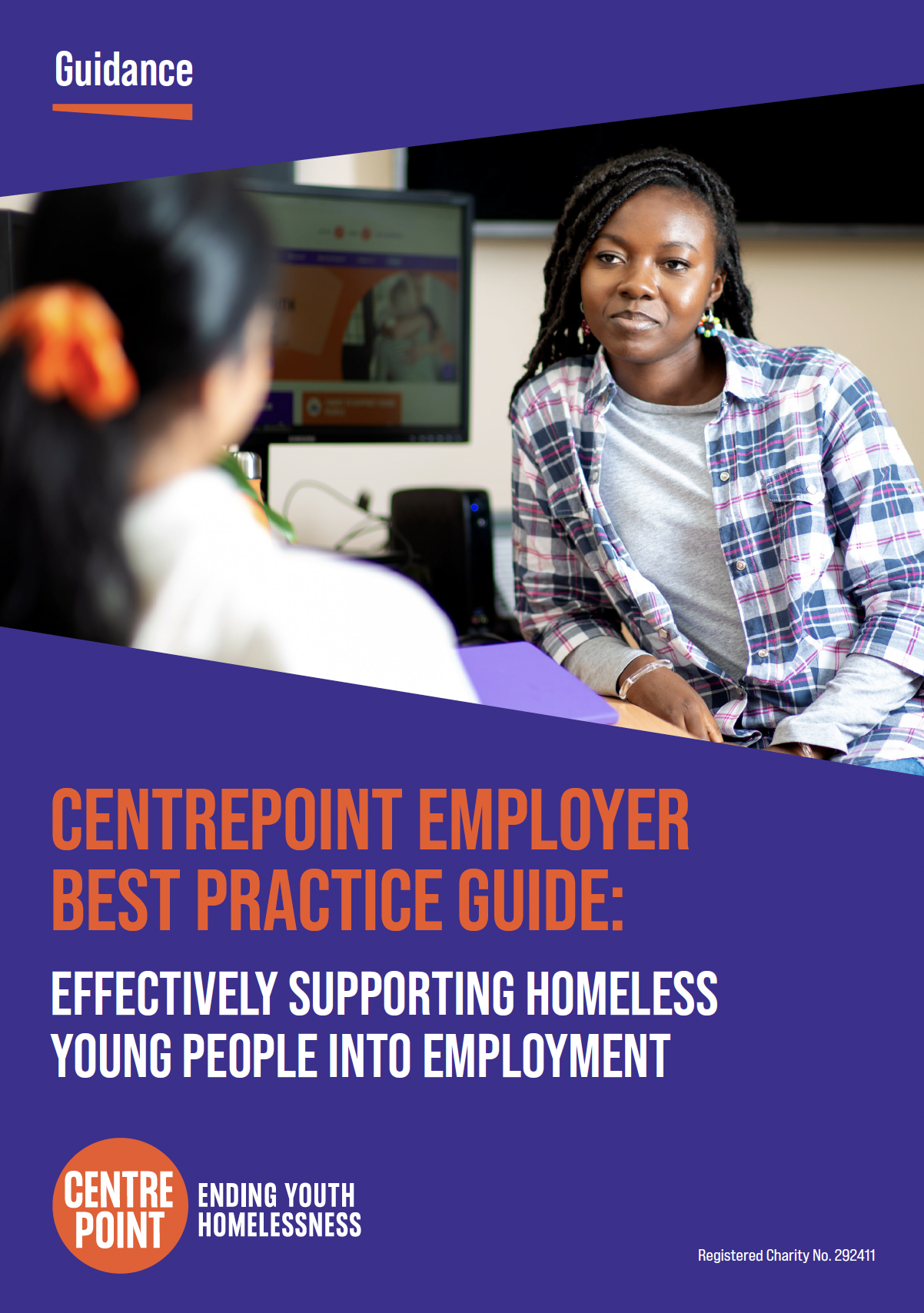
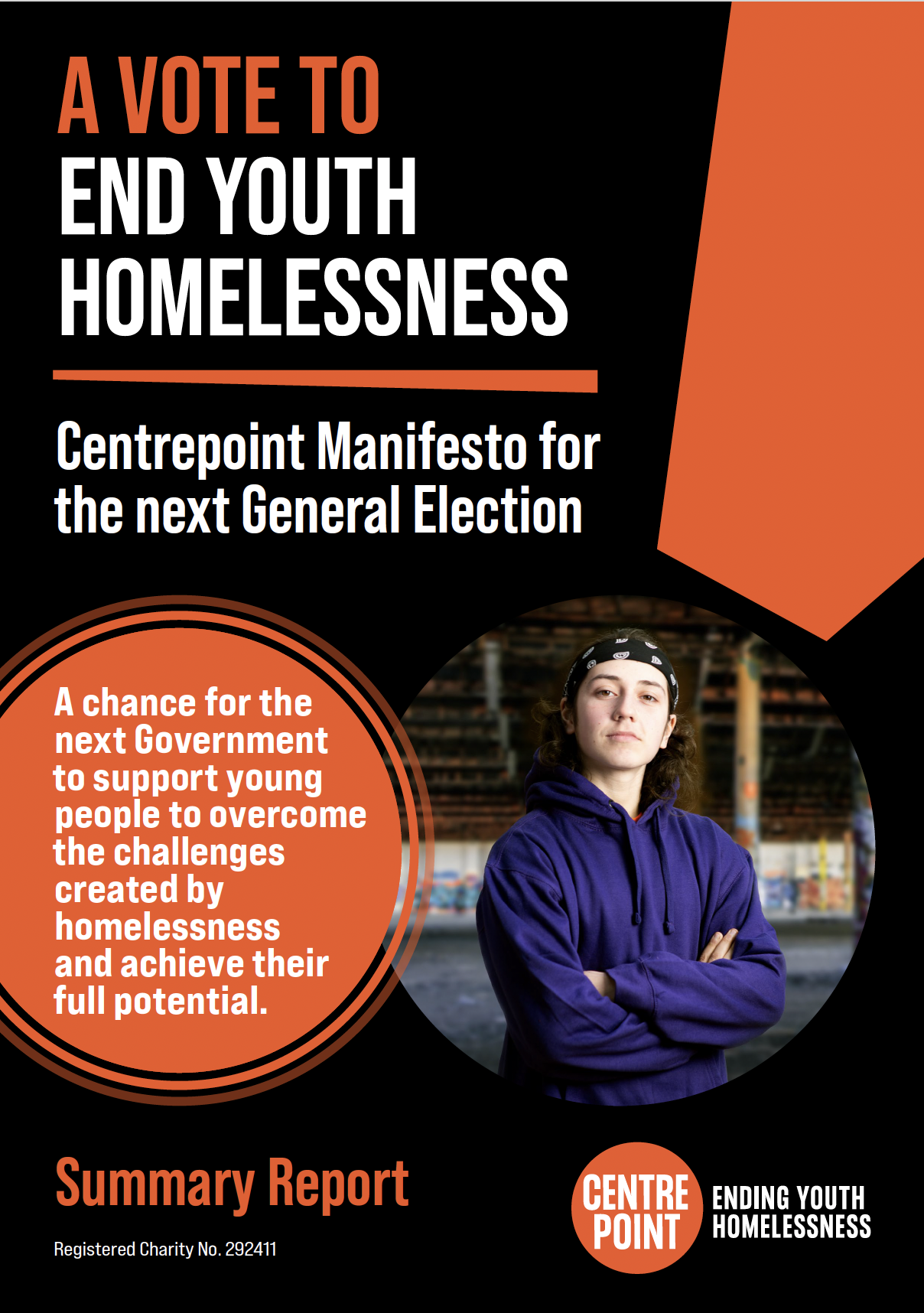
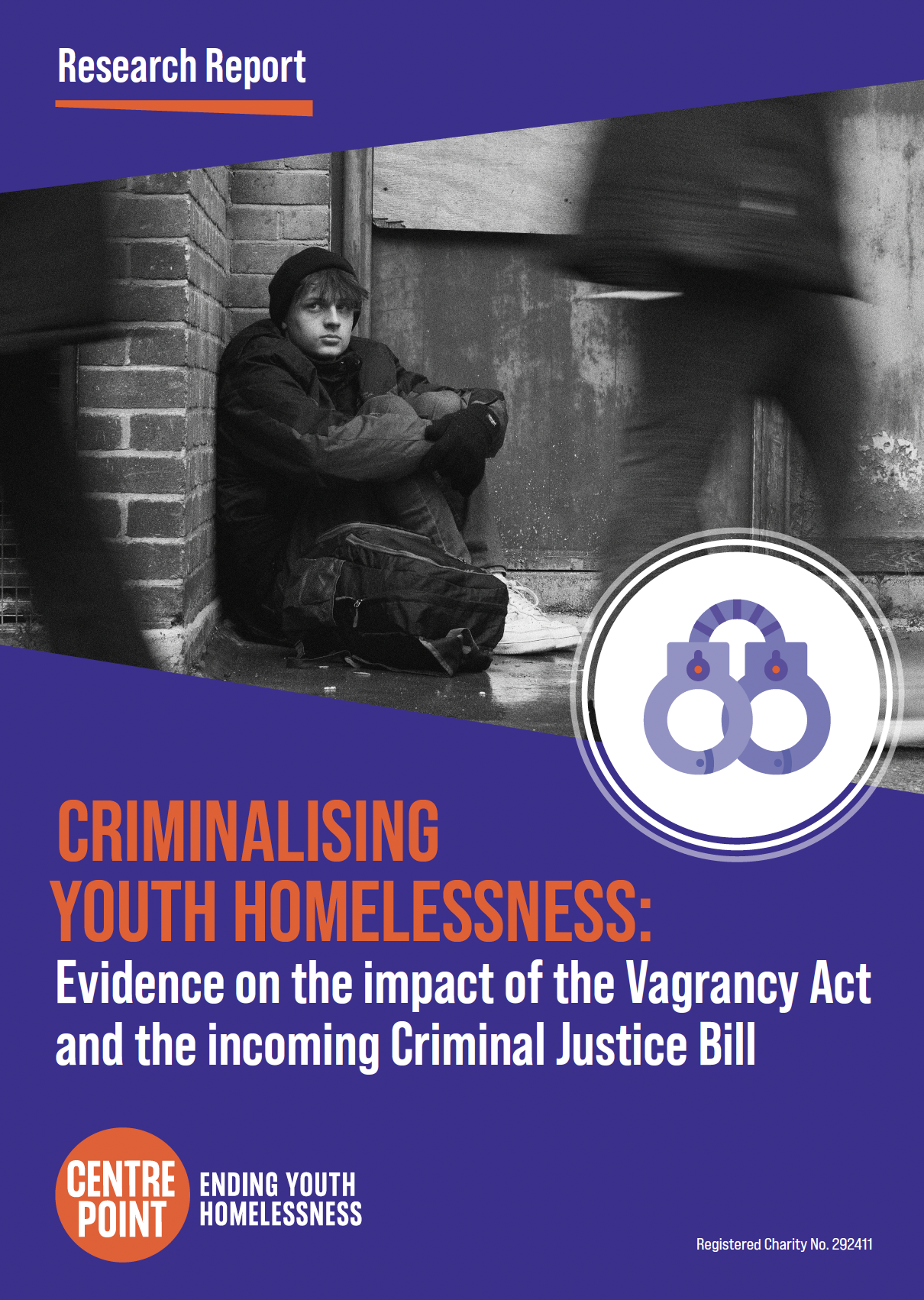
I've been shooting for charities and organisations long enough to know that the images used in a report do a lot of work. They’re often the first thing people look at and they set the overall tone. If the placement and style of imagery is done well it engages the reader in a way that makes them care about what they're reading. And yet it's still surprisingly common to see stock images that could have come from anywhere being used in company reports or promotional and marketing materials.
That’s understandable to a point; stock is quick, it's cheap upfront, and there's an enormous amount of it available. But I think it's a false economy, and when the cause or the organisation genuinely matters, it's worth thinking harder about the images you choose to represent it. An original photograph does something no stock image can, it makes the reader feel like they're actually close to the issue.
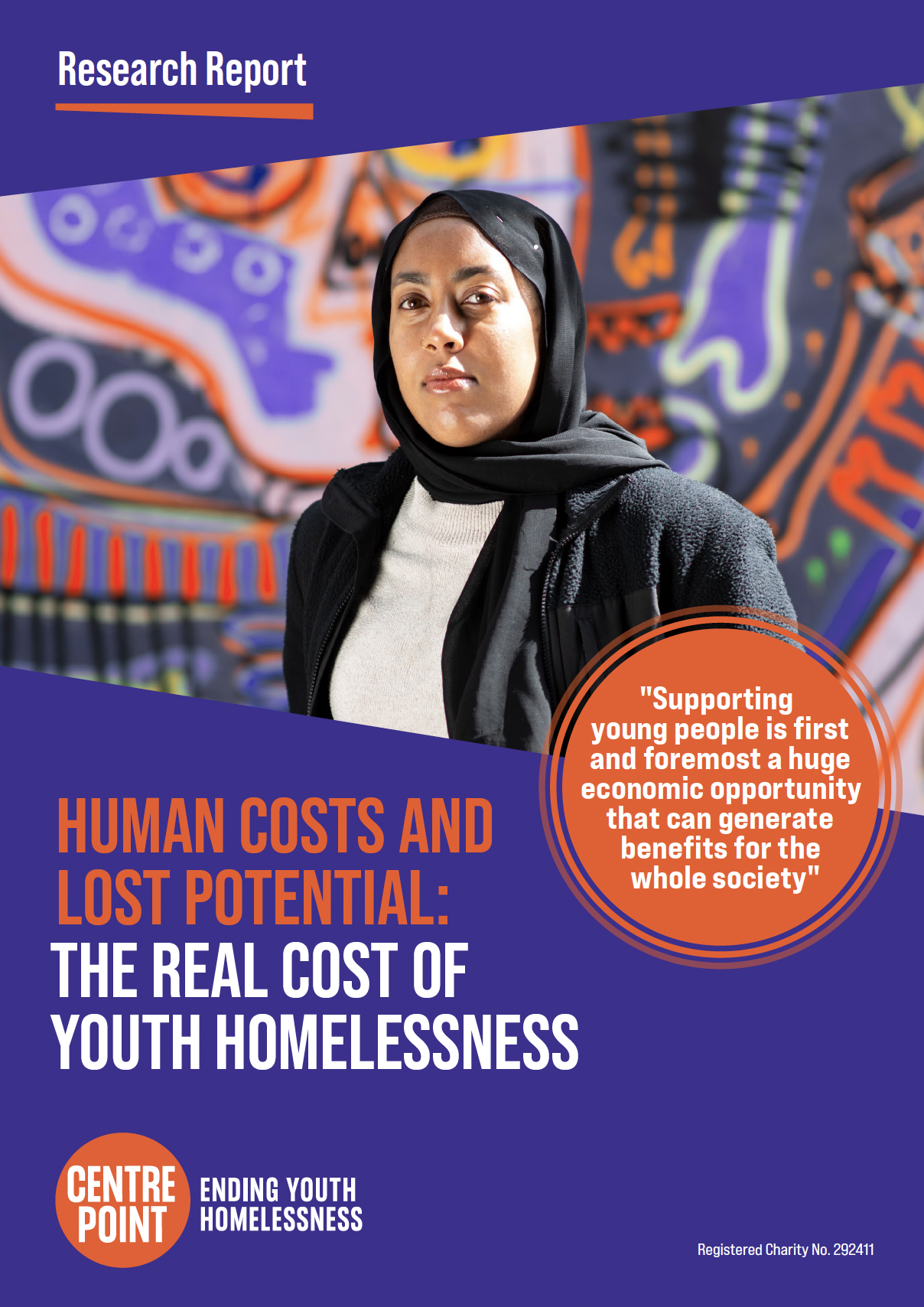
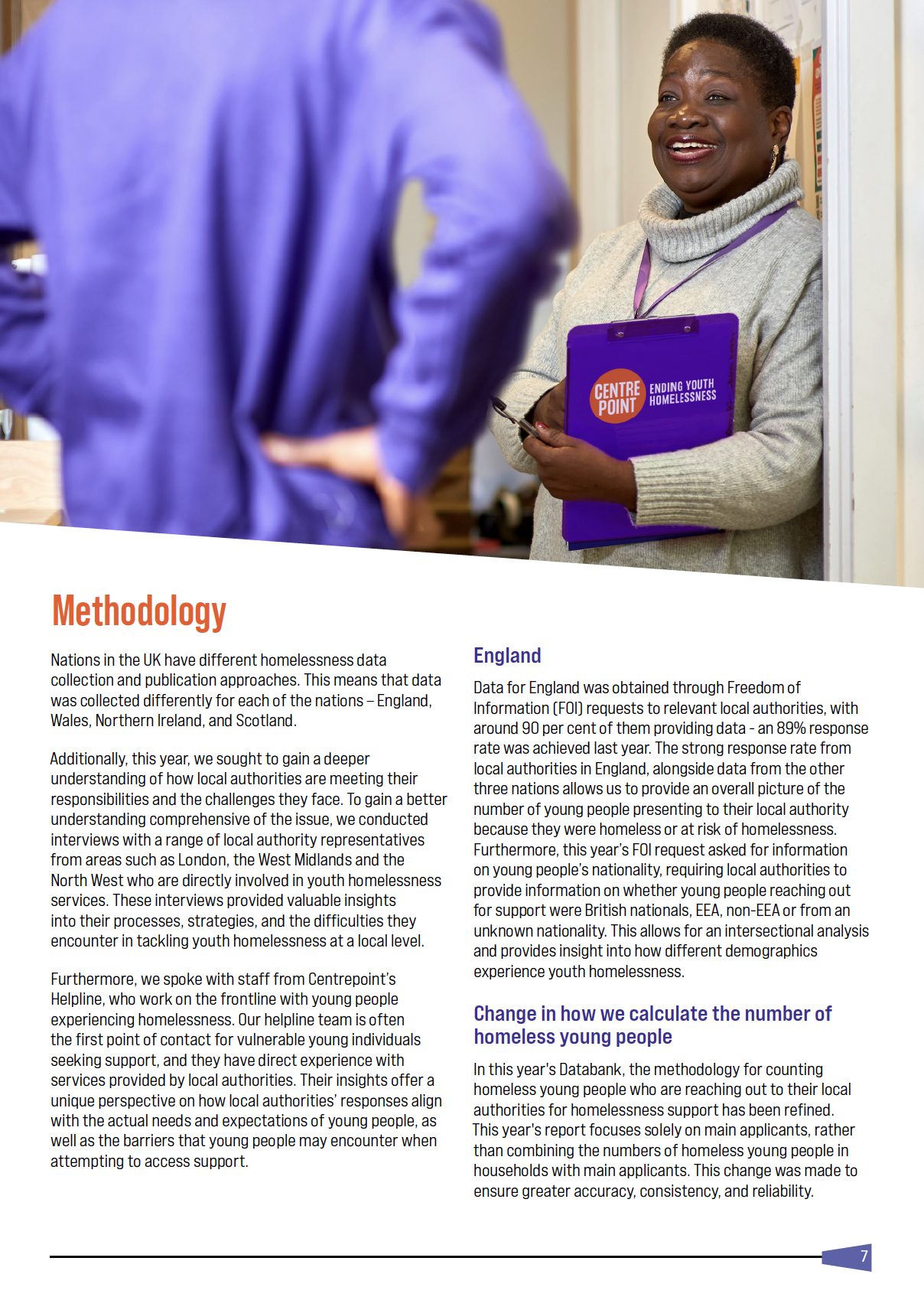
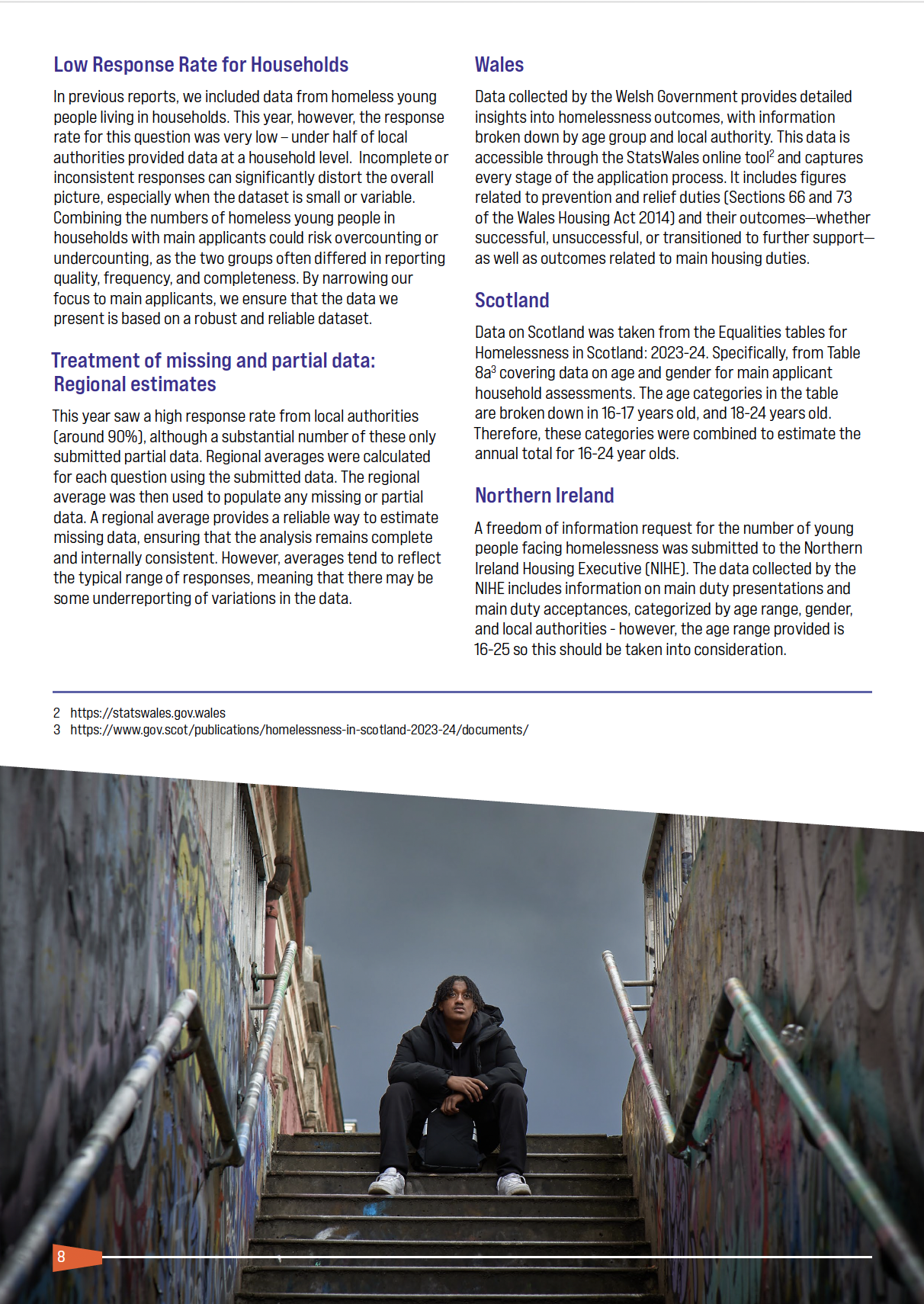
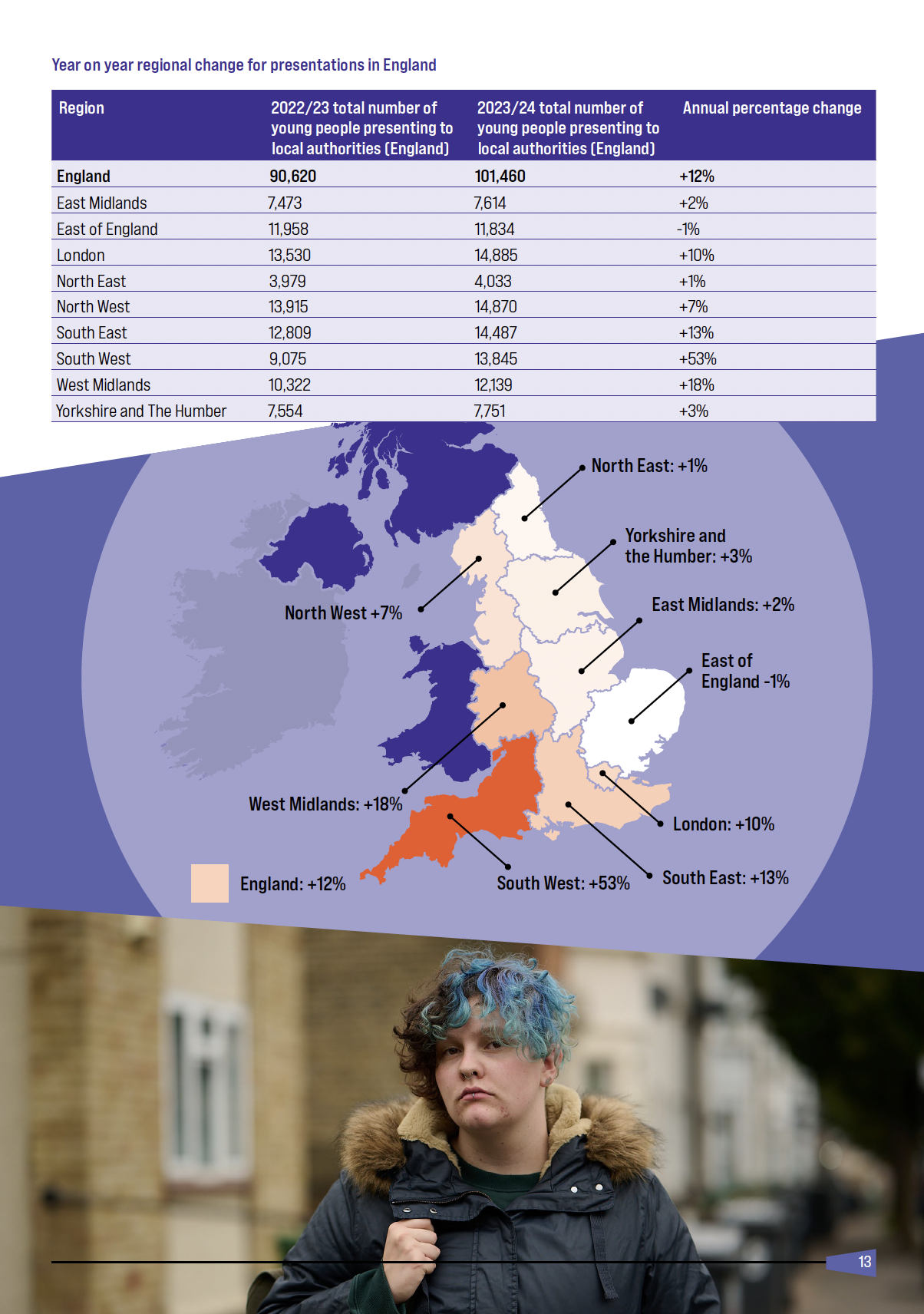
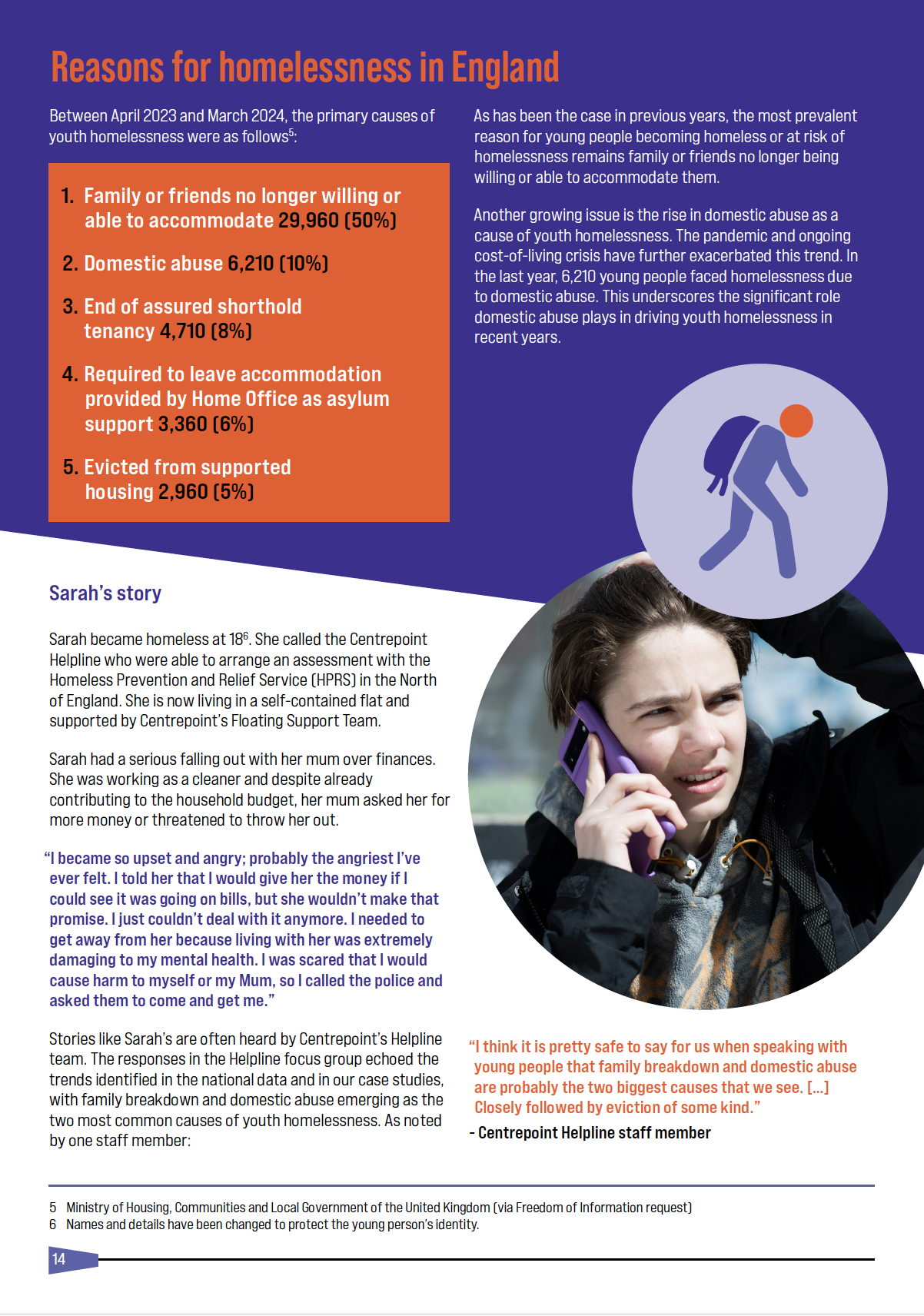
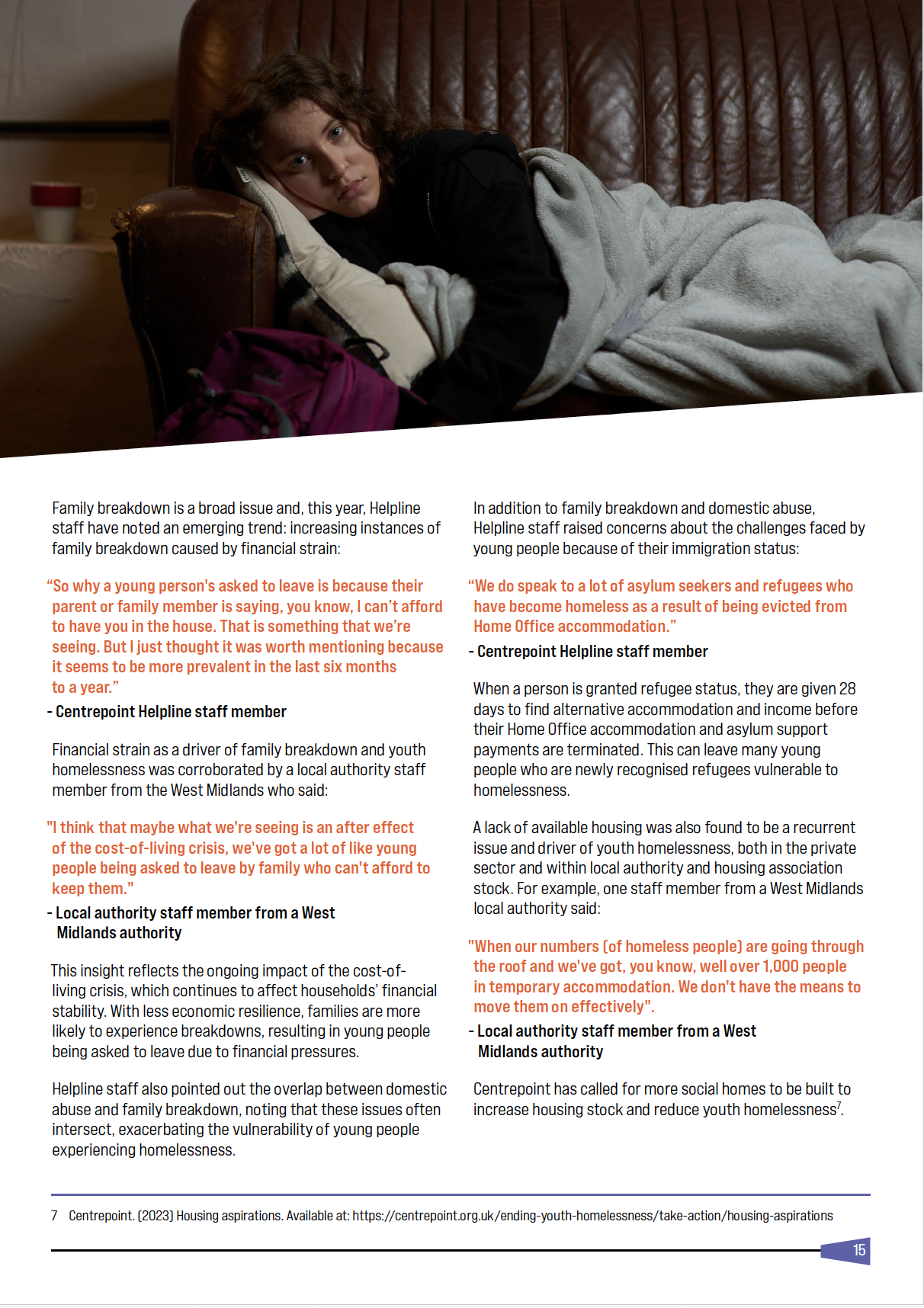
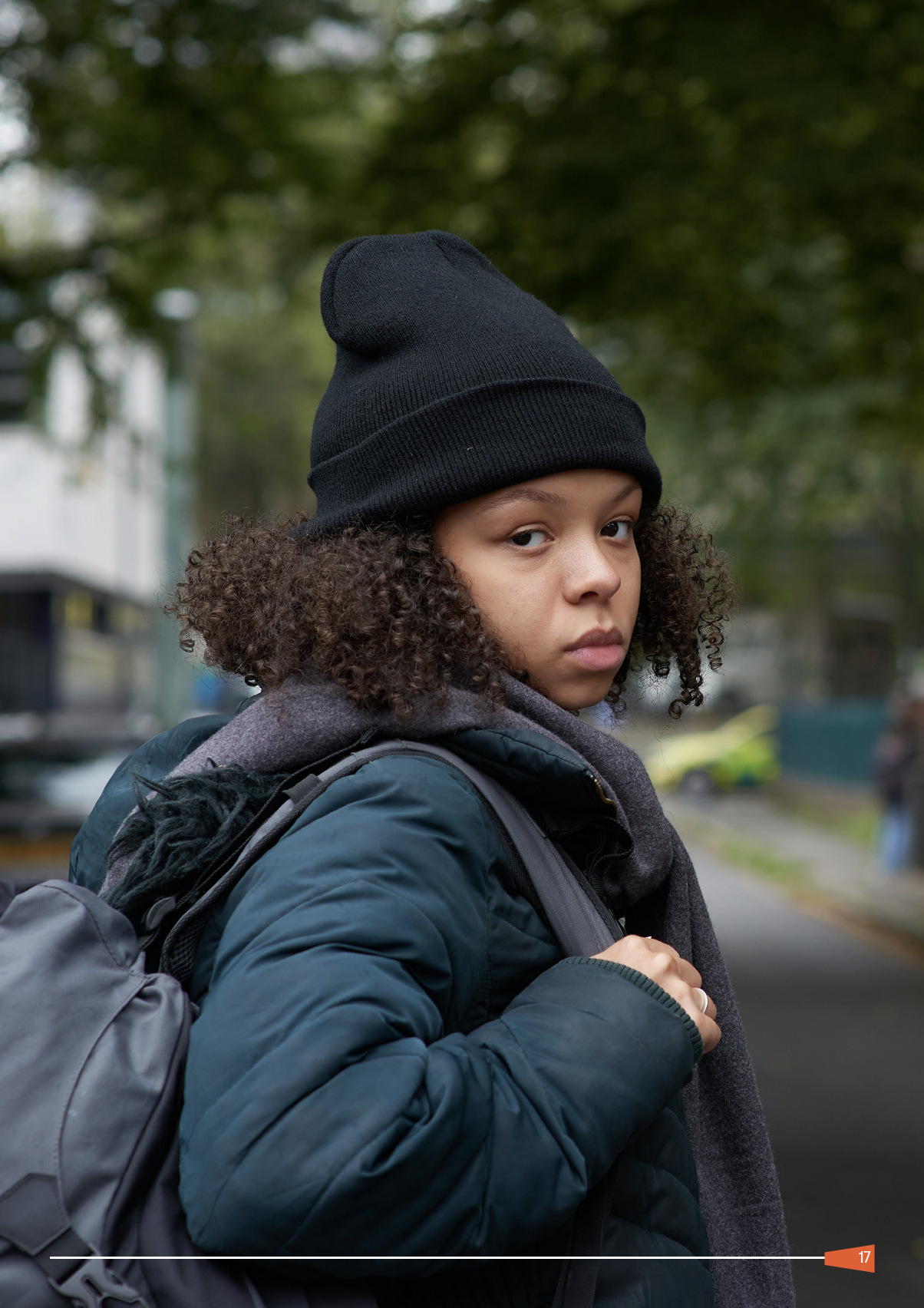
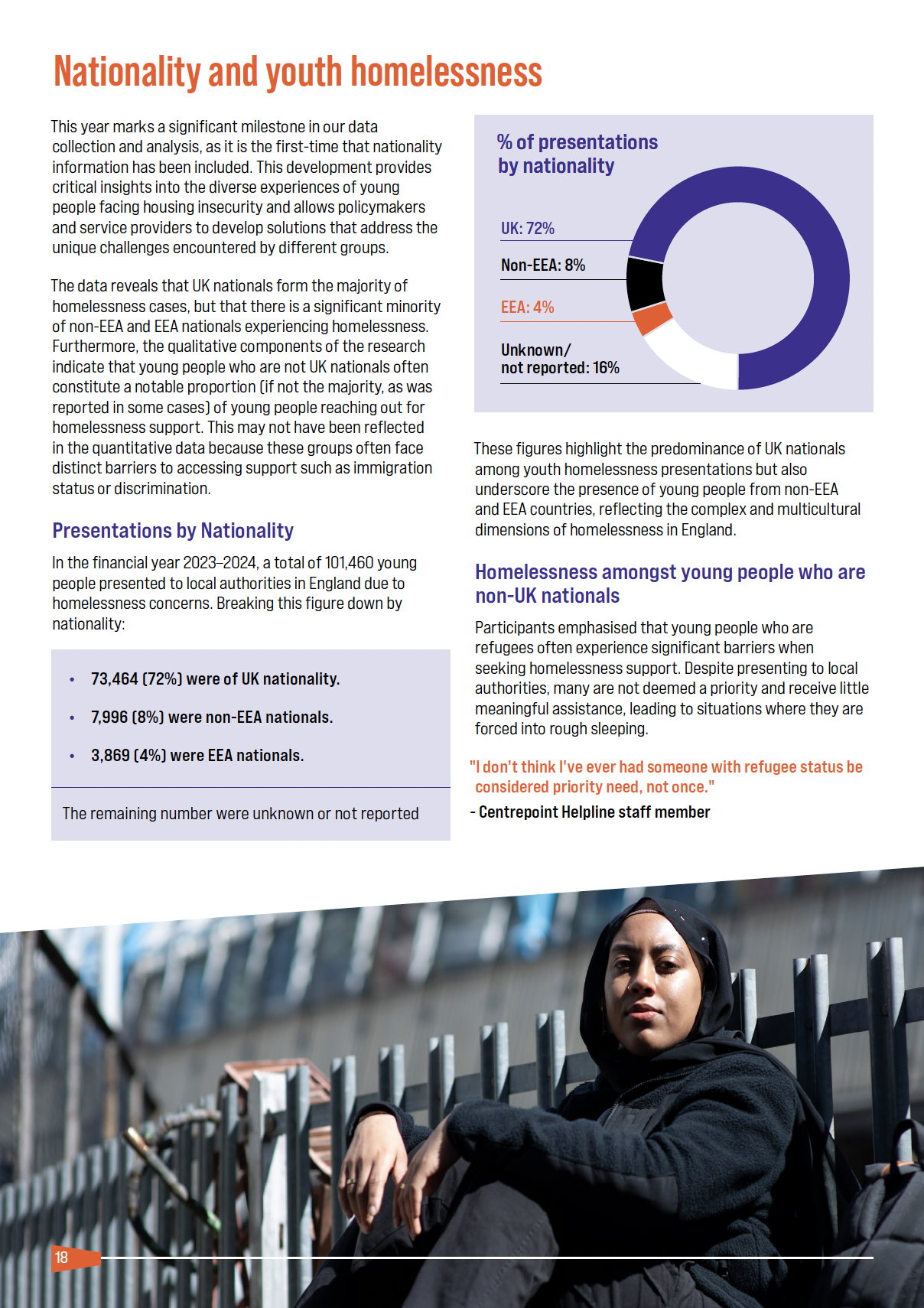
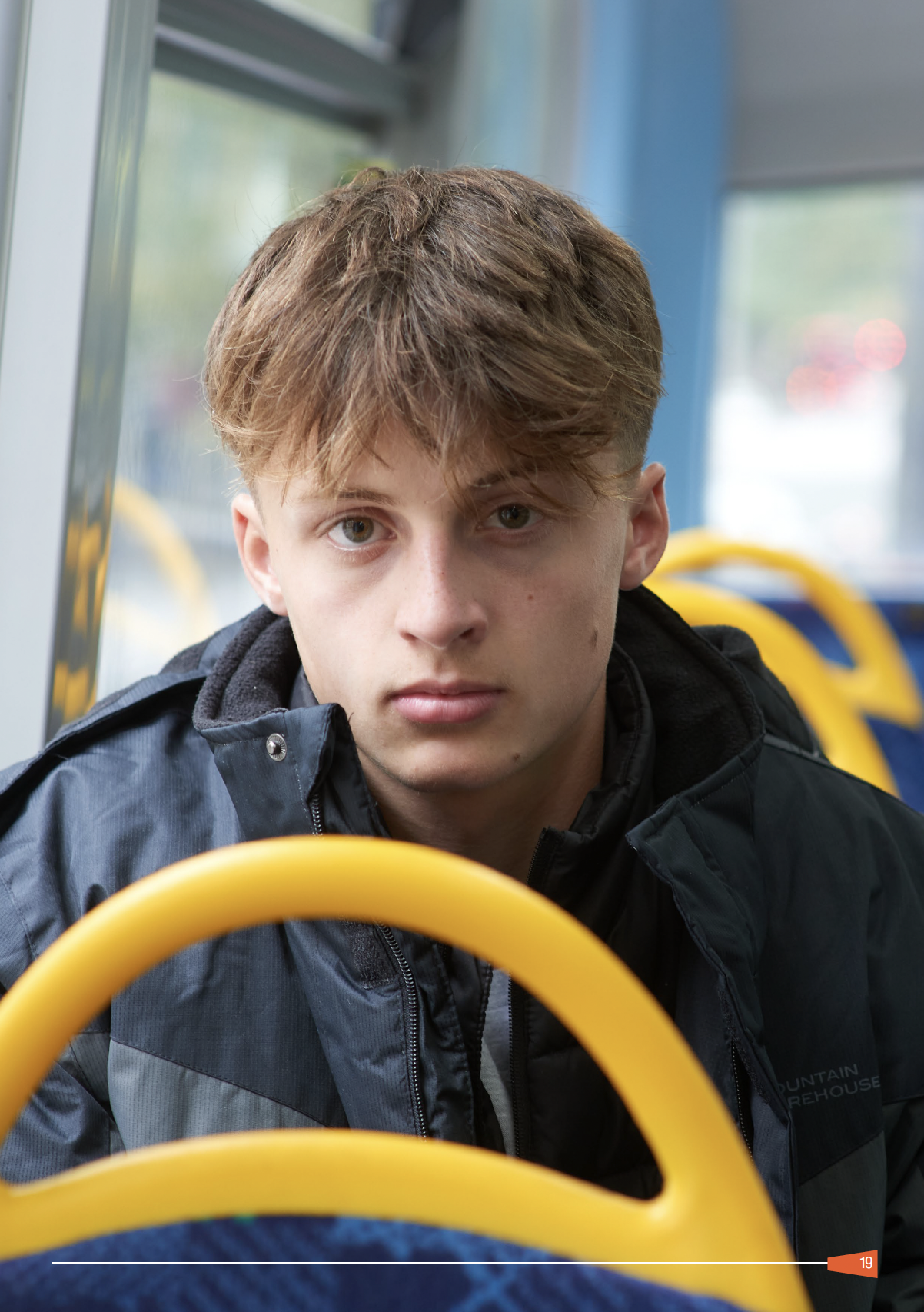
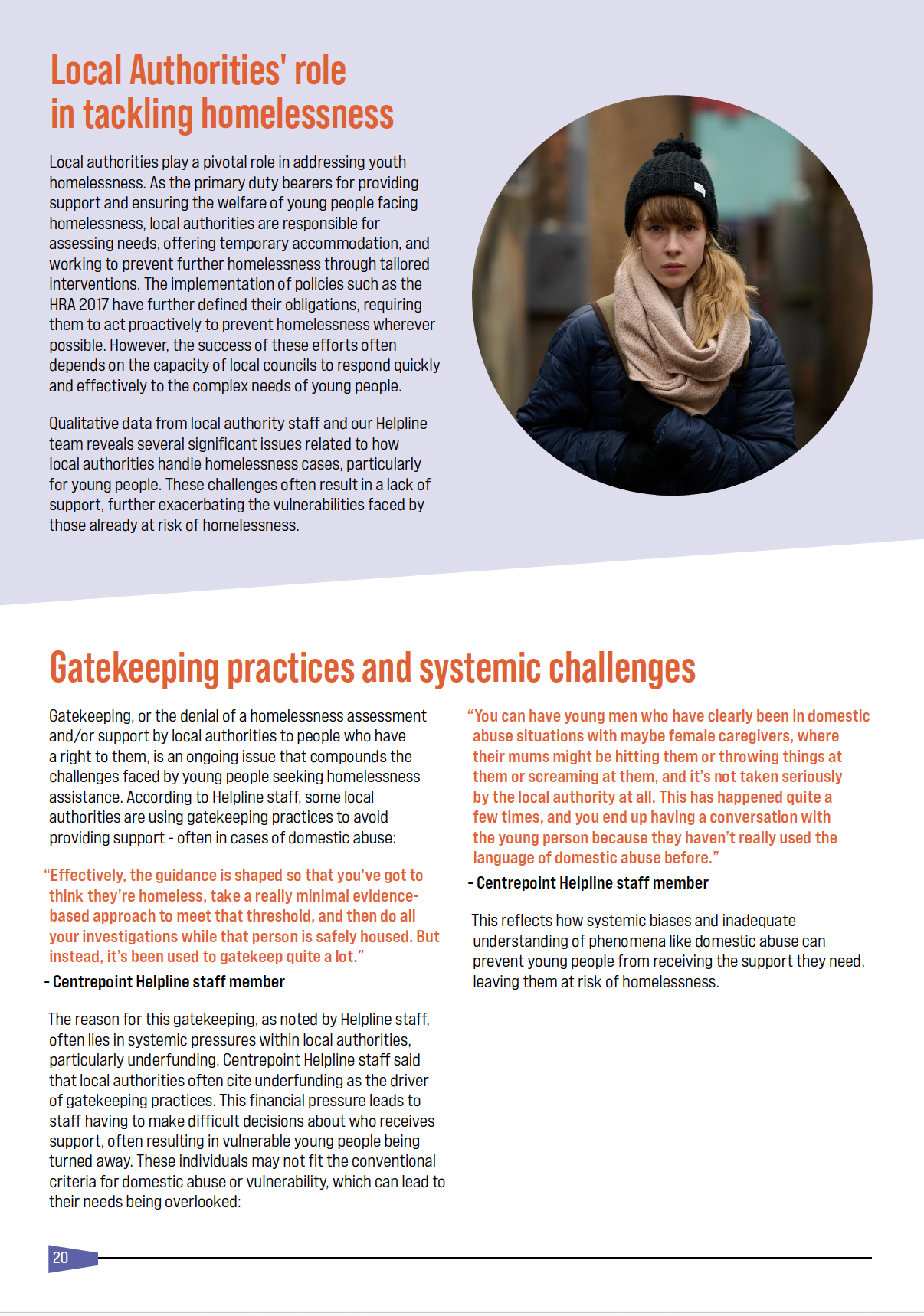
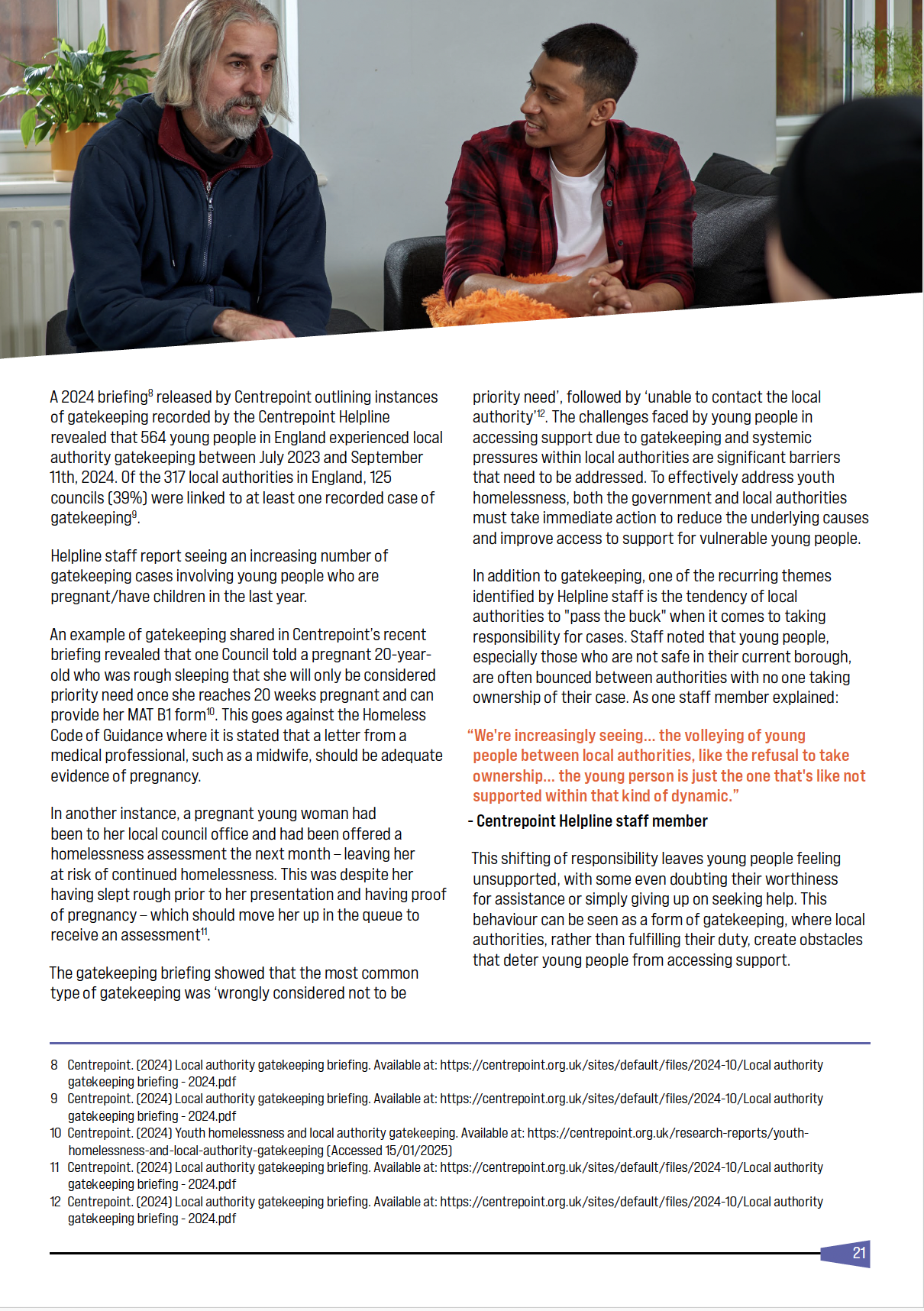
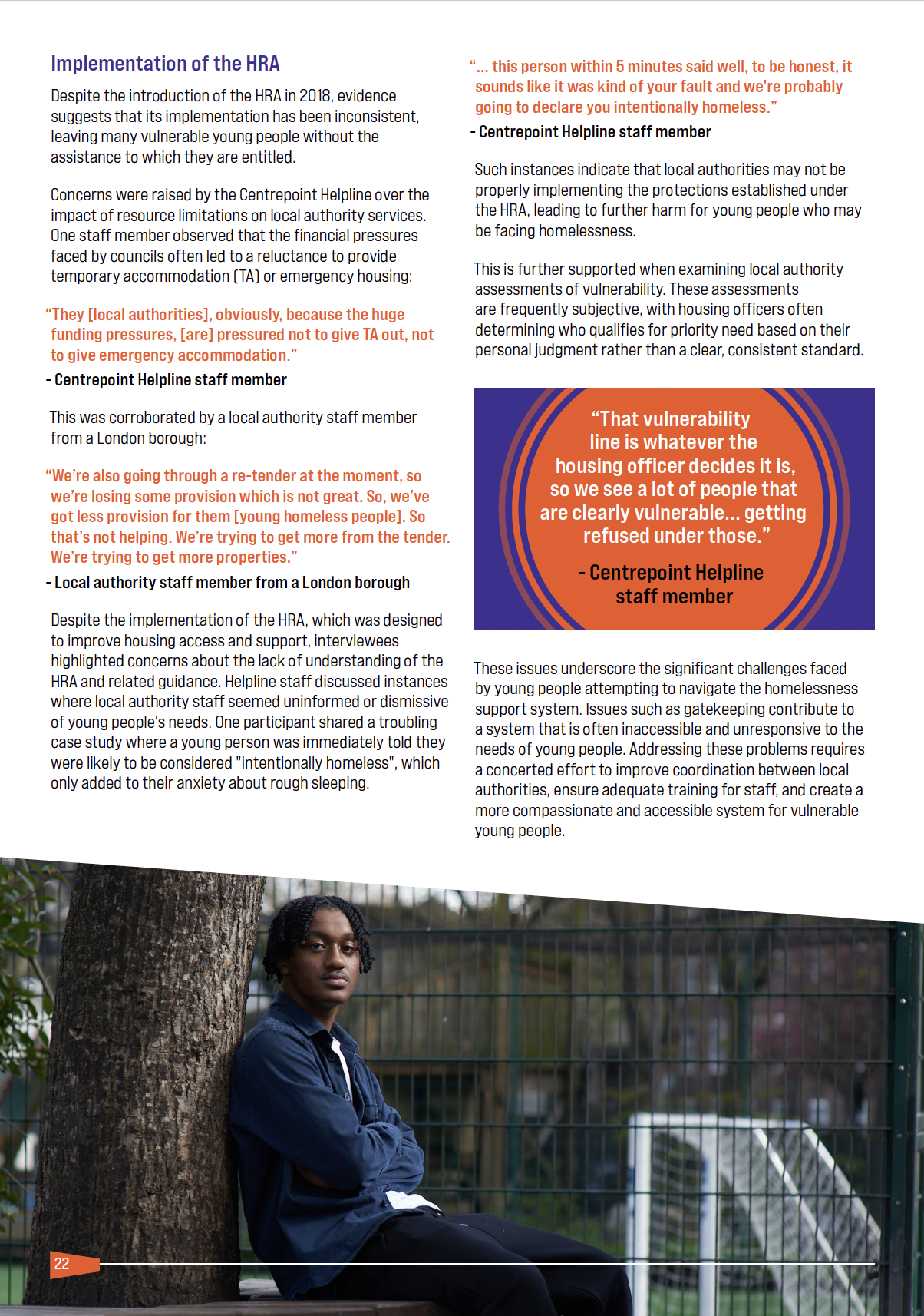
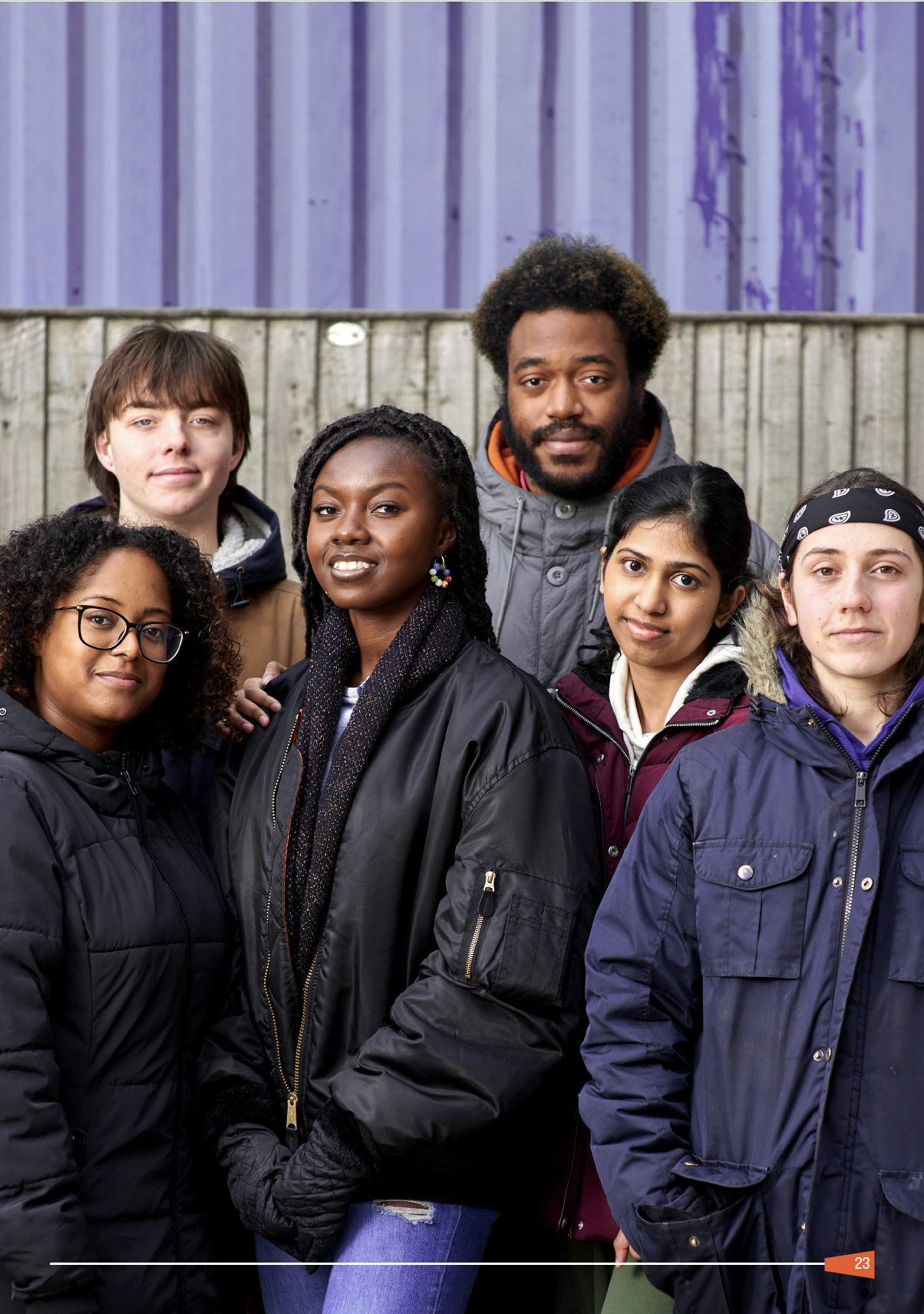
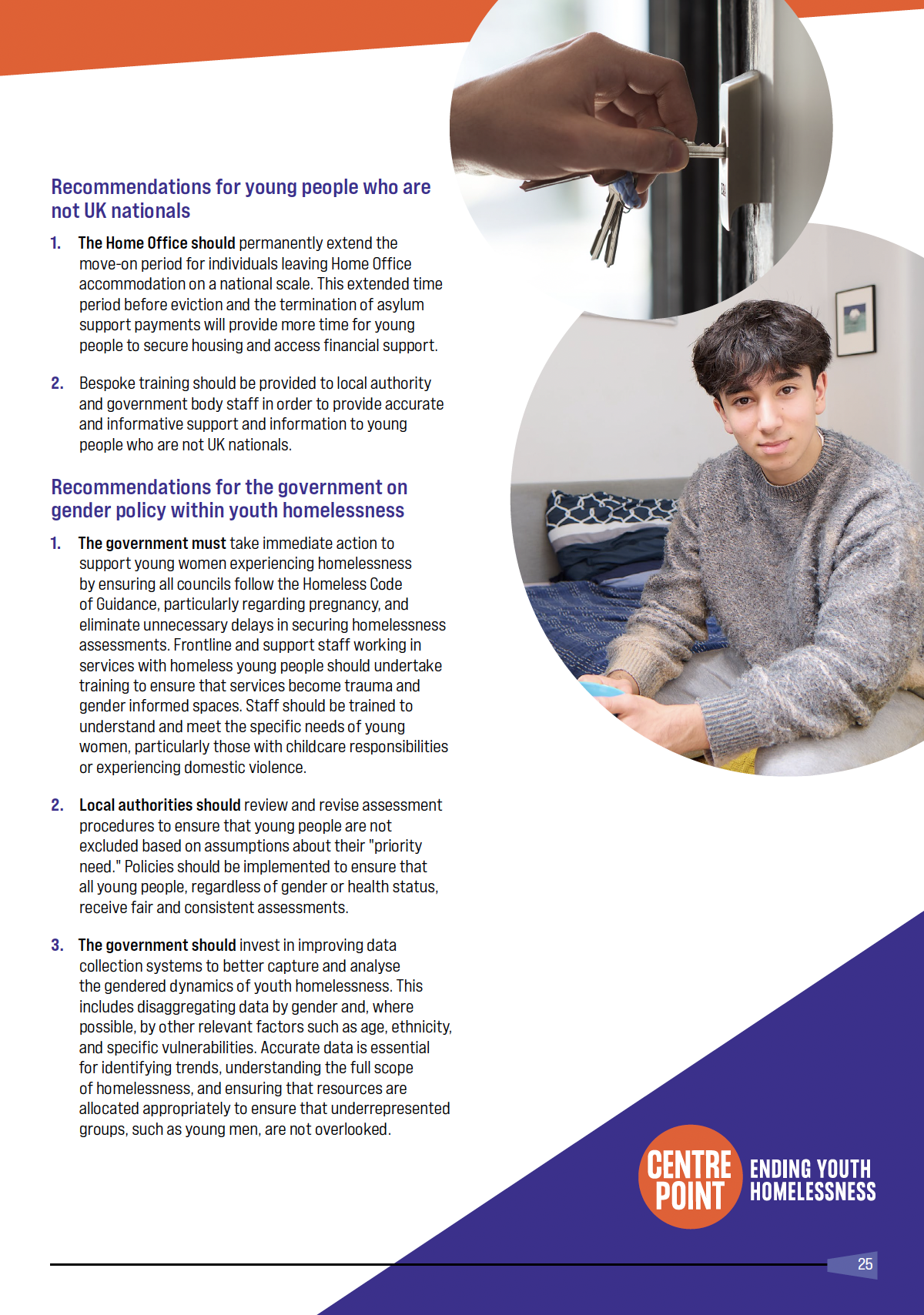
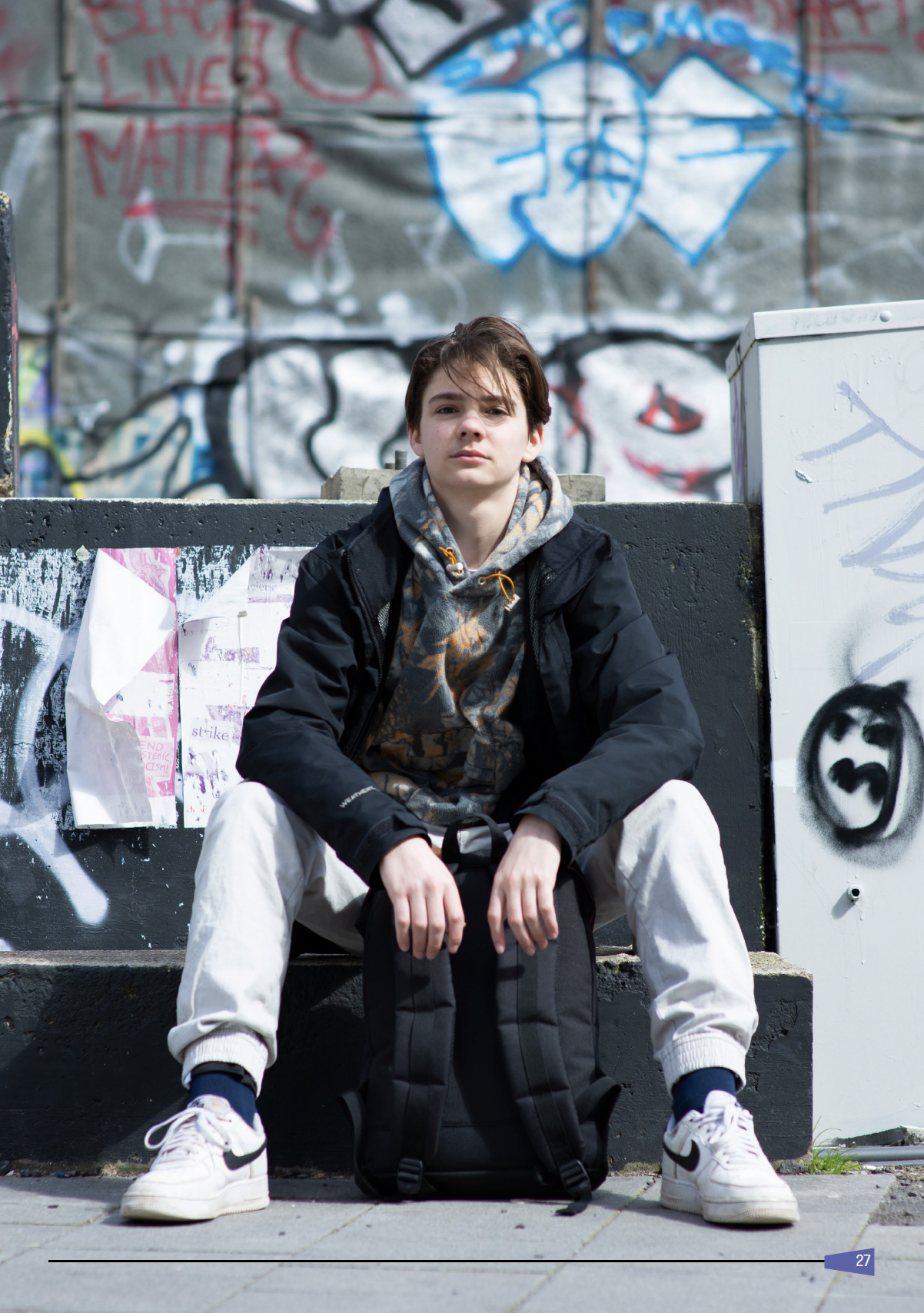
The work I’ve done for Centrepoint over the years is a good example. Centrepoint is a UK wide charity that works with young people experiencing homelessness, and for every shoot the overriding ethos of the brief is always to produce images that honestly reflect the reality faced by young people to produce images that can be used for their reports and campaigns. That means representing young people in authentic scenarios. For reasons of individual privacy and protection the shoots always involve the use of models, but the scenarios are recreations of genuine service user experiences, so casting and location-scouting are an important element in planning every shoot. The young man sitting on a wall in front of a graffiti-covered building holding onto his backpack, or the woman lying on a sofa looking anxious but present aren't overly dramatic or manipulative images, they're honest representations, and it’s that honesty that gives them their impact.
It's not just about charities
The same logic applies to corporations. Stakeholders reading a sustainability report or an impact document are fairly sophisticated — they can tell when the imagery was shot specifically for the organisation and when it was pulled from a library. Original photography signals that someone actually went to the place, spoke to the people, and cared enough to document it properly. That matters for credibility, and it also means the images belong entirely to the organisation and can't appear in a competitor's report next year.
There's a practical upside too. A well-planned commission produces a body of work that covers multiple needs at once — the annual report, the website, social media, press materials and so on. Spread across those uses over a couple of years, the cost is rarely as significant as it first appears.
If you're working on a report and want to talk through what original photography could look like for your organisation, feel free to get in touch.